When an e-commerce platform enters gifting season, the biggest challenge isn’t “getting traffic.” It’s converting high-intent shoppers who are already browsing—then nudging them to buy a little more, a little faster, with fewer second thoughts.
That’s where preserved roses consistently perform better than most promotional “extras.” They’re visually premium, naturally giftable, and far easier to standardize than fresh flowers. In this post, I’ll explain the platform-side logic behind using preserved roses in campaigns—and what makes these programs work (or fail) when they scale.
Why Preserved Roses Behave Like a “Conversion Asset” on Marketplaces
Platforms and large retailers love incentives that do three things at once:
- reduce decision friction, 2) raise average order value, and 3) stay predictable operationally.
Preserved roses tick all three boxes:
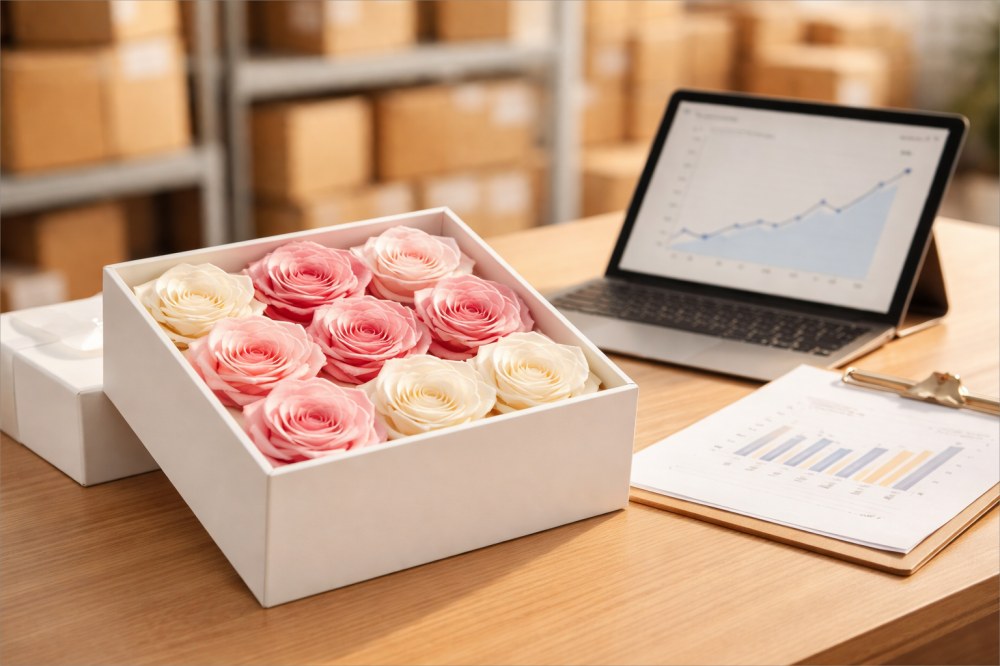
- They add instant “gift readiness.” A shopper doesn’t need to imagine how to wrap it, pair it, or explain it. The value is visible.
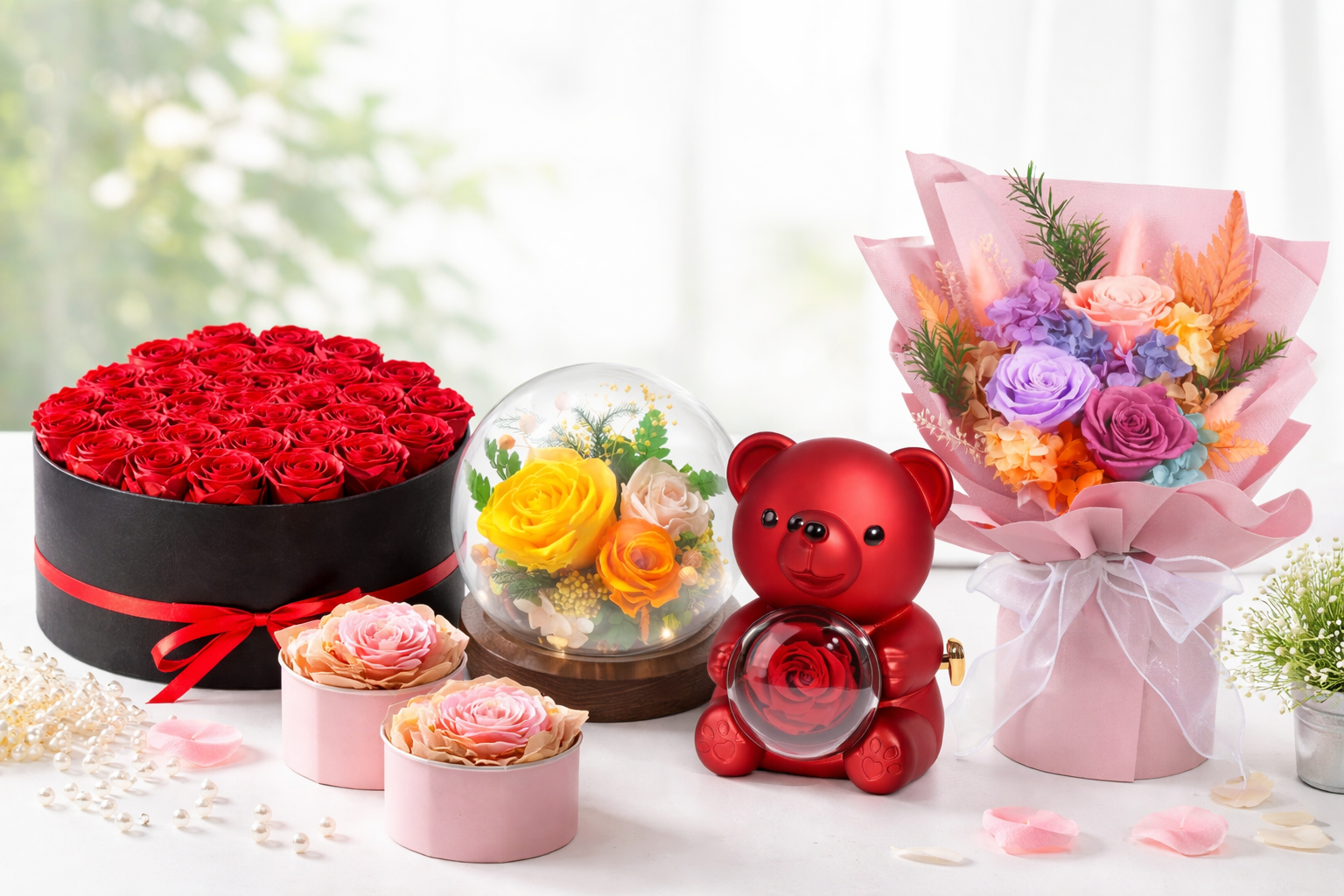
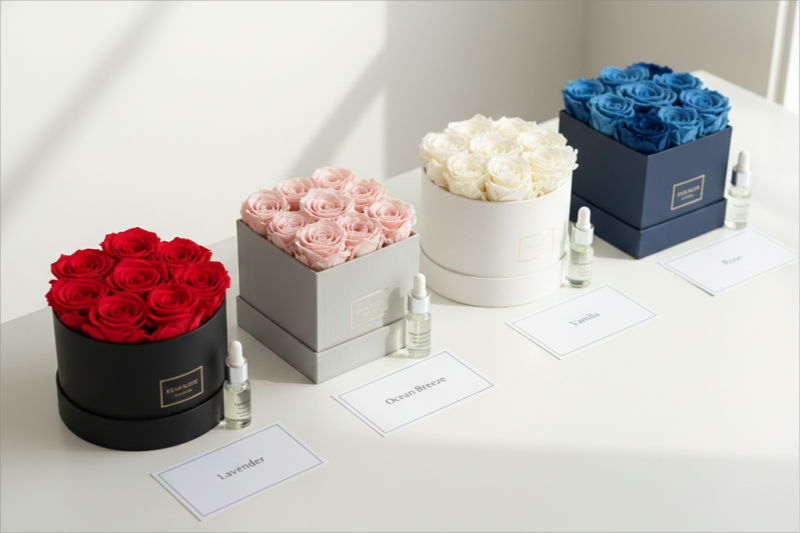
- They feel premium without being complicated. A well-presented rose box can elevate the entire order even if the main product is skincare, fragrance, jewelry, or accessories.
- They’re compatible with platform rules. Threshold logic, auto-add gifting, and multi-store activation all benefit from standardized SKUs.
I’ve watched many campaigns succeed simply because the incentive made the buyer think, “This is complete—I can check this gift off my list.” That’s a powerful mental shortcut.
4 Promotion Models Where Preserved Roses Perform Best
Instead of one “perfect” campaign, platforms typically rotate between models depending on season, category mix, and inventory pressure.
1) Threshold Gifting (classic GWP)
Spend $X, receive a preserved rose gift. Simple. Clear. Highly scalable.
Why it works: it shifts the decision from price comparison to value perception, especially for gifting holidays. The shopper isn’t just buying a product—they’re buying a “gift moment.”
2) Step-Up Tiers (AOV ladder)
Spend $X: mini rose
Spend $Y: standard rose box
Spend $Z: premium presentation (larger box / upgraded materials / special edition)
Why it works: tiering encourages “just a bit more” behavior without resorting to steep discounts.
3) Category Bundles (gift sets that feel curated)
Instead of gifting as an add-on, the rose becomes part of a curated bundle: “fragrance + preserved rose,” “jewelry + rose,” “beauty set + rose.”
Why it works: bundles reduce selection fatigue. The customer doesn’t have to build the gift themselves.
4) Co-Branded or IP-Style Limited Editions
This is where platforms create a headline: a special packaging look, a recognizable theme, or a limited run that feels collectible.
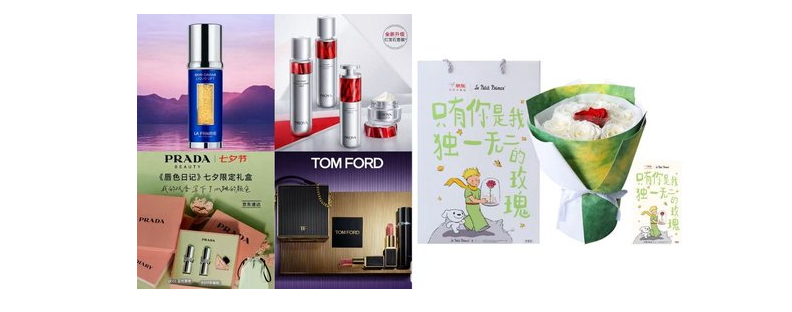
A good example of the strategy (not the exact execution) can be seen in platform gifting campaigns that spotlight co-branded preserved flowers—like JD’s Qixi messaging around a Little Prince co-branded preserved flower as a gifting incentive, positioned to increase perceived value at checkout.
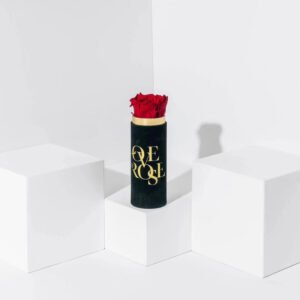
In the U.S., the same principle often appears as limited collab drops (preserved roses presented as a premium seasonal item), such as Kith’s partnership with Venus et Fleur, which emphasized a Valentine’s delivery window to protect the buying occasion.
If you’re planning a promotion and want help mapping preserved rose formats to your threshold structure, email me at inquiry@sweetie-group.com with the subject line “Platform Promo Format”.
The Hidden Reason Platforms Like Preserved Roses: Fewer “Promotion Side Effects”
Promotions fail when they create hidden costs:
- customer service overload,
- damage claims,
- inconsistent visuals that trigger complaints,
- confusing rules that frustrate shoppers.
Preserved roses can be designed to minimize those side effects—if you treat them as a system, not a product photo.
What “platform-safe” preserved roses usually require
- Color discipline: approved palettes, batch consistency checks, and clear naming (e.g., “Classic Red,” “Blush Pink,” not vague romantic terms).
- Packaging engineered for transit: internal support that prevents shifting, compression protection, and clean unboxing.
- Defined replacement rules: what counts as damage, how proof is submitted, and what gets replaced (full unit vs. accessory).
If you’re a platform operator, you don’t just want a beautiful gift. You want a gift that doesn’t break your metrics.
What Makes an IP-Style Preserved Rose Gift Actually Work
“IP collaboration” gets used loosely. From a platform perspective, successful IP-style gifting usually comes down to three practical elements:
- Instant recognition in the first image
The theme must be visible without reading. That’s packaging silhouette, key iconography, and consistent color language. - A unified story across the whole PDP
Name, visuals, and gift card insert should all match. Mixed signals kill conversion. - A controlled limited run
Limited editions can drive urgency, but they require disciplined allocation and clear cutoff rules. When stock-outs happen mid-campaign, the platform loses credibility.
(And a quick legal note: when you’re working with real IP, licensing and approval cycles matter. “Inspired by” is not the same as “licensed.”)
Supplier Readiness: What Platform Procurement Teams Usually Screen For
When a platform considers preserved roses for large-scale promotions, procurement teams typically evaluate suppliers on predictability more than promises.
Here’s the checklist I see most often:
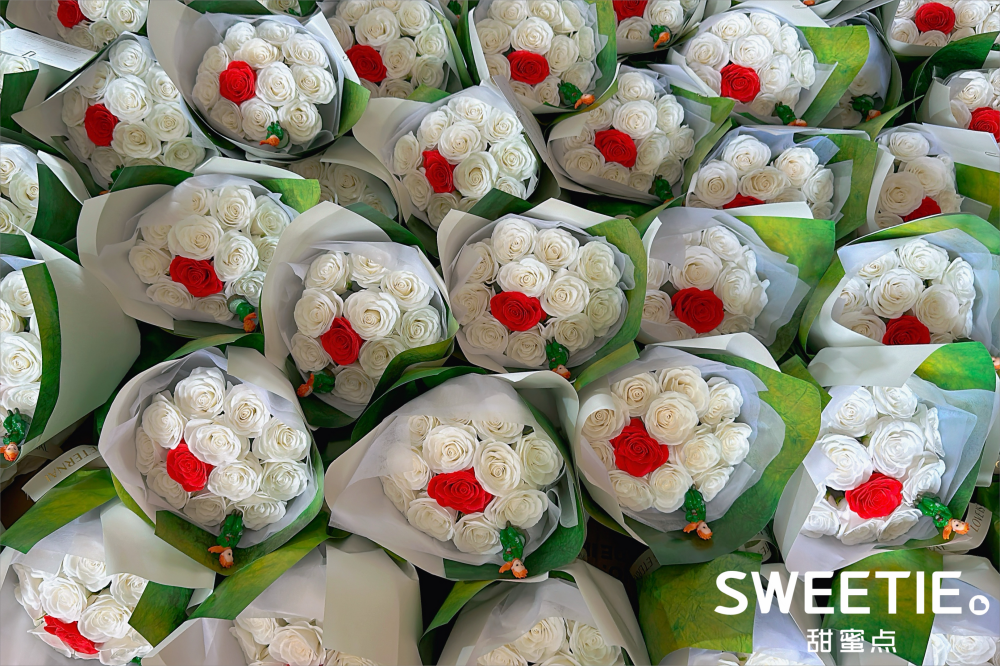
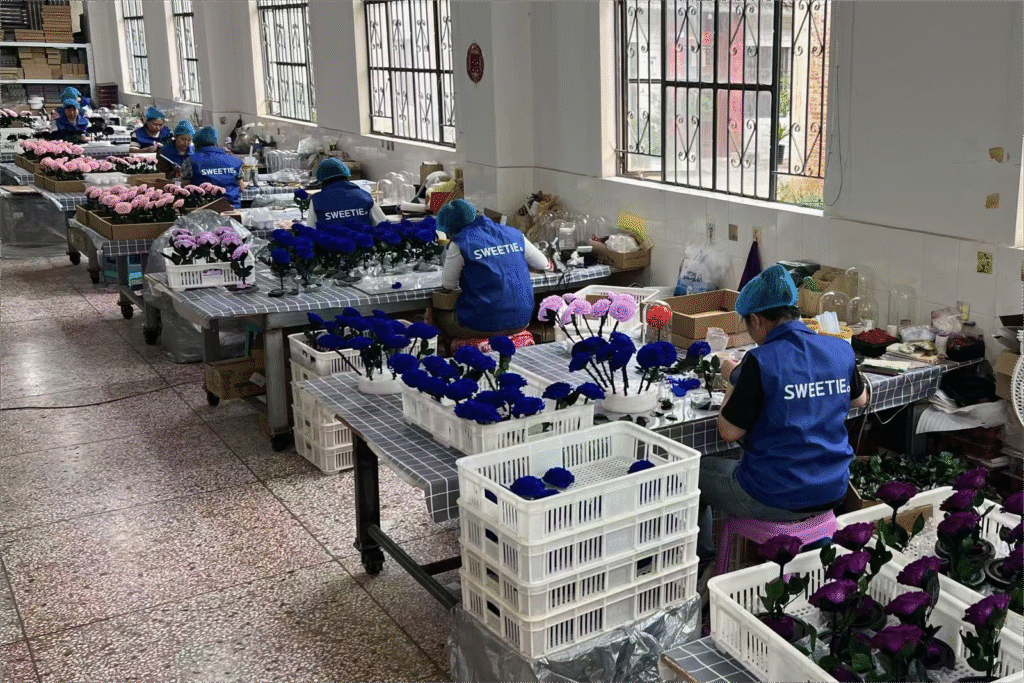
- Peak capacity: can you handle the spike without quality drift?
- Consistency controls: are the flowers and arrangements repeatable at scale?
- Packaging performance: can you keep damage rates low in real-world shipping?
- Documentation readiness: materials, labeling, and any compliance requirements relevant to the market.
- Creative support: can you supply clean assets that reduce listing friction for multiple merchants?
If any one of these is weak, the platform will avoid turning the gift into a core campaign mechanic.
A simple way to think about it
Platforms want a promotional item that behaves like a reliable SKU—not a handmade surprise.
Choosing the Right Preserved Rose Format for Each Promotion Type
If you’re deciding what to use, here’s a practical mapping. I’m using “format language” that works across regions and categories.
| Promotion goal | Best preserved rose format | Why it fits |
|---|---|---|
| Boost conversion fast | Single rose in compact gift box | Clear value, easy to fulfill, low confusion |
| Raise AOV | Tiered rose boxes (size/material upgrades) | Encourages step-up spending |
| Create buzz | Limited-edition themed packaging | Increases perceived exclusivity |
| Reduce returns / complaints | Transit-tested packaging with simple palette | Predictable visuals + stable shipping |
I prefer this approach because it’s campaign-first: you start with the business goal, then choose the rose format—not the other way around.
Common Failure Points (and How Platforms Avoid Them)
“It didn’t look like the photo”
Fix: define palette references, lock the design, and avoid last-minute material swaps.
“Damage claims exploded”
Fix: packaging is part of your product. Test inserts, impact protection, and outer cartons.
“Customers didn’t understand the promotion”
Fix: simple rules, auto-add logic, and consistent messaging on the landing page and product detail pages.
“The gift felt cheap”
Fix: don’t cut corners on presentation. A small but premium-looking unit beats a larger sloppy one every time.
If you’d like a supplier-ready checklist specifically for platform promotions (quality controls, packaging specs, and campaign-friendly options), email inquiry@sweetie-group.com with “Platform Supplier Checklist”.
FAQ
Are preserved roses only for romance holidays?
No. They work well for any gifting moment where “presentation” matters: Mother’s Day, graduation, year-end gifting, brand anniversaries, and premium member programs.
Is GWP the best way to use preserved roses?
GWP is the easiest to scale, but not always the most profitable. Tiered formats and curated bundles often lift AOV more sustainably.
What’s the biggest difference between fresh flowers and preserved roses in promotions?
Operational stability. Fresh flowers can be sensitive to timing and transit variables. Preserved roses are easier to standardize, stock, and ship at scale.
How do platforms make a co-branded gift feel “real”?
Consistency: the theme must be obvious in the first image, reinforced in the packaging insert, and aligned across all campaign pages.
Final Thought
From a platform perspective, preserved roses are not “just a flower product.” They’re a campaign lever—a way to make shoppers feel confident, raise the perceived value of an order, and reduce gifting-season hesitation without introducing messy fulfillment risk.
If you’re an e-commerce platform, marketplace operator, or brand team building a seasonal promotion and want preserved roses designed for scalable execution, email me at inquiry@sweetie-group.com.
Annie Zhang, CEO of Sweetie Group