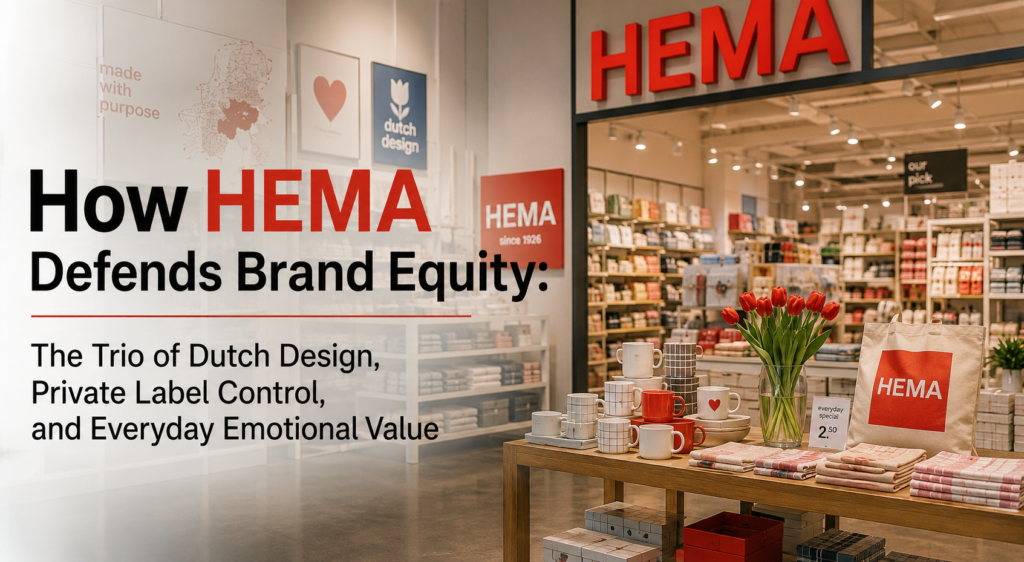
HEMA maintains its high brand equity in a low-price market by avoiding pure discounting, instead leveraging functional Dutch design, complete private label control, and sensory emotional value to make everyday products irreplaceable. By combining aesthetic logic with cost-efficient supply chain execution, HEMA bypasses race-to-the-bottom price wars, transforming ordinary household commodities into highly recognizable, emotionally satisfying, and premium-feeling daily essentials.
Why Can’t HEMA Compete on Pure Price Discounting Against Hard Discounters?
In a low-price retail ecosystem, competing solely on price is a race to the bottom that HEMA cannot win, nor does it want to. Hard discounters like Action operate on an opportunistic, extreme low-cost model, stocking surplus branded goods or low-margin white-label products with minimal operational overhead.
For HEMA, attempting to match these rock-bottom prices would compromise its entire business infrastructure. HEMA maintains premium physical stores in high-street, city-center locations and employs an in-house design team. Competing on pure price would destroy its margins and dilute its historic brand equity. Instead, the HEMA brand value strategy relies on offering “the best everyday life at an affordable price”—positioning its products not as cheap compromises, but as deliberate, smart choices.
| Operational Dimension | HEMA Value Retail Strategy | Hard Discounters (e.g., Action) |
|---|---|---|
| Primary Value Prop | Design-led utility & daily joy | Absolute lowest market price |
| Assortment Control | 100% Private Label | Overstock, brand liquidations, minimal PL |
| Product Strategy | Cohesive, evergreen lifestyle | Fast-changing, highly transactional |
| Margin Drivers | Design premium, customer loyalty | Ultra-high volume, low operational overhead |
| Sourcing Focus | Direct factory partnership & custom specs | Opportunistic bulk buying of excess inventory |
By leveraging this value retail business model, HEMA shifts the consumer’s focus from “how cheap is this?” to “how much value and joy does this add to my day?”
How Does Dutch Design Logic Turn Ordinary Commodities into Highly Recognizable Products?
At the core of HEMA’s product differentiation is Dutch retail design logic. This philosophy dictates that everyday objects should be simple, clever, functional, and aesthetically pleasing—all while remaining affordable. HEMA’s in-house designers use design to eliminate unnecessary production costs while maximizing usability.
Dutch design makes everyday goods easier to understand and use through three main pillars:
- Reducing Cognitive Load: Products are intuitive. A HEMA kitchen tool or storage box communicates its function immediately through clean lines and clear typography. There is no packaging clutter.
- Maximizing Utility & Space: Products are designed for modern, often compact, living. For instance, mixing bowls, storage canisters, and office organizers are designed to nest perfectly inside one another, reducing both shipping volume and home storage footprint.
- Distinctive Visual Identity: Rather than mimicking expensive brands, HEMA designs products with a signature cheerful minimalist aesthetic. Bold colors, clean geometry, and a subtle sense of humor give the items an unmistakable look that stands out on store shelves.
This design-driven approach ensures that a basic €2 item does not look like generic dollar-store stock; instead, it looks like a curated design object, instantly elevating its perceived value.
How Does Full Private Label Control Ensure Quality and Cost Consistency?
HEMA operates on a 100% private label model. By eliminating middleman brands, HEMA controls every stage of private label product development, from initial sketching in Amsterdam to manufacturing, packaging, and retail delivery.
This absolute control offers three major strategic advantages:
- Uncompromised Quality Control: Instead of buying off-the-shelf factory surpluses, HEMA writes its own product specifications. This ensures that even low-cost items meet strict European safety, sustainability, and quality standards.
- Unmatched Brand Consistency: Because every single SKU—from baby clothing and cosmetics to chocolate and stationery—is designed under one roof, HEMA maintains a unified brand universe. The packaging, color palette, and typography are highly standardized, making the entire store feel like a single, cohesive product line.
- Pricing Autonomy and Margin Protection: Direct sourcing from trusted global manufacturers allows HEMA to negotiate optimal pricing, manage supply chain disruptions, and maintain healthy margins without passing excessive costs onto the consumer.
How Do Low-Price Items Generate Everyday Emotional Value and Giftability?
Price-conscious consumers do not want to feel poor when they shop. HEMA masters everyday emotional value in retail by transforming commodity buying into an emotional experience. They turn basic purchases into micro-moments of personal reward.
HEMA achieves this through deliberate sensory design choices:
- The Power of Color & Cohesion: HEMA uses color theory strategically. Seasonal color stories tie disparate products—like notebooks, thermal mugs, and lunchboxes—into beautiful matching sets. Buying a matching set feels like a lifestyle upgrade.
- Tactile Appeal: Products are designed to be touched. Matte-finish plastics, soft-touch covers on cheap notebooks, and textured ceramics elevate the physical experience of low-cost items.
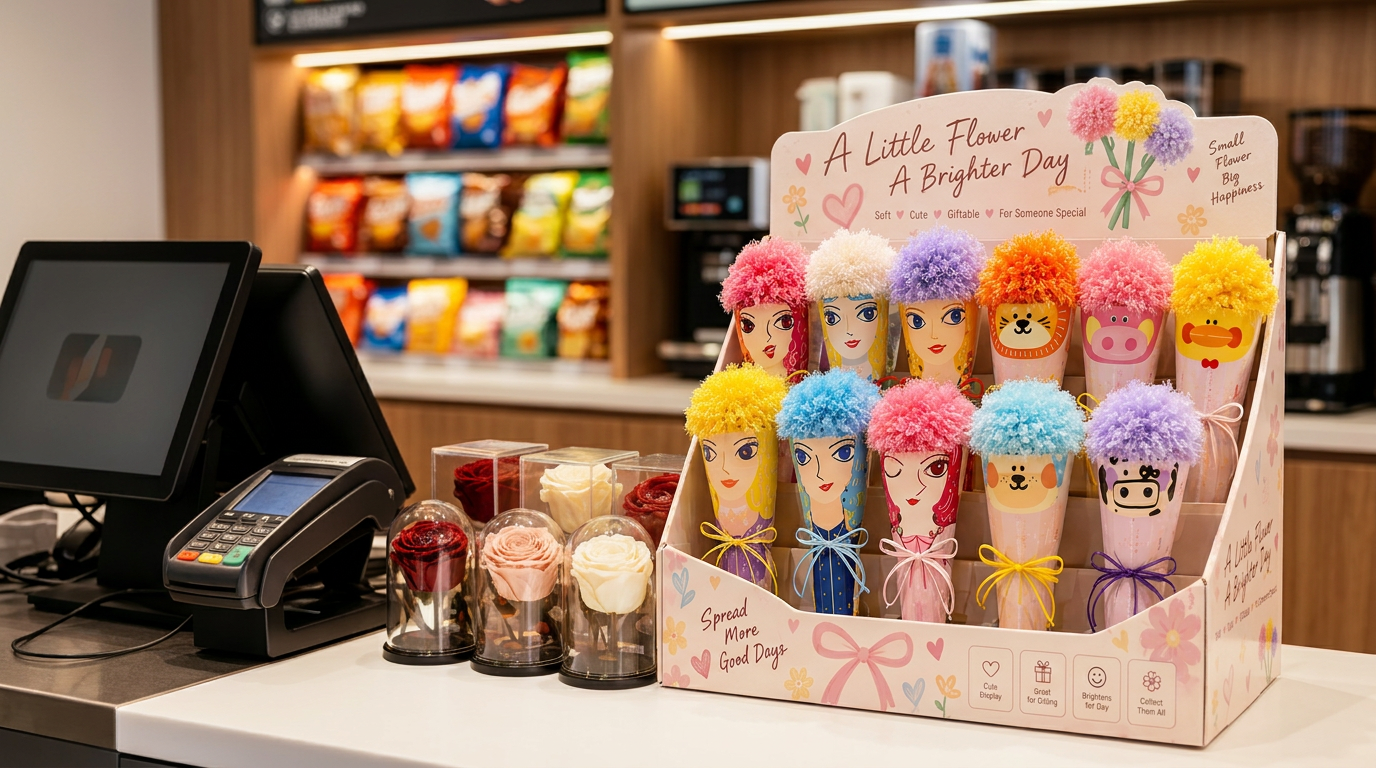
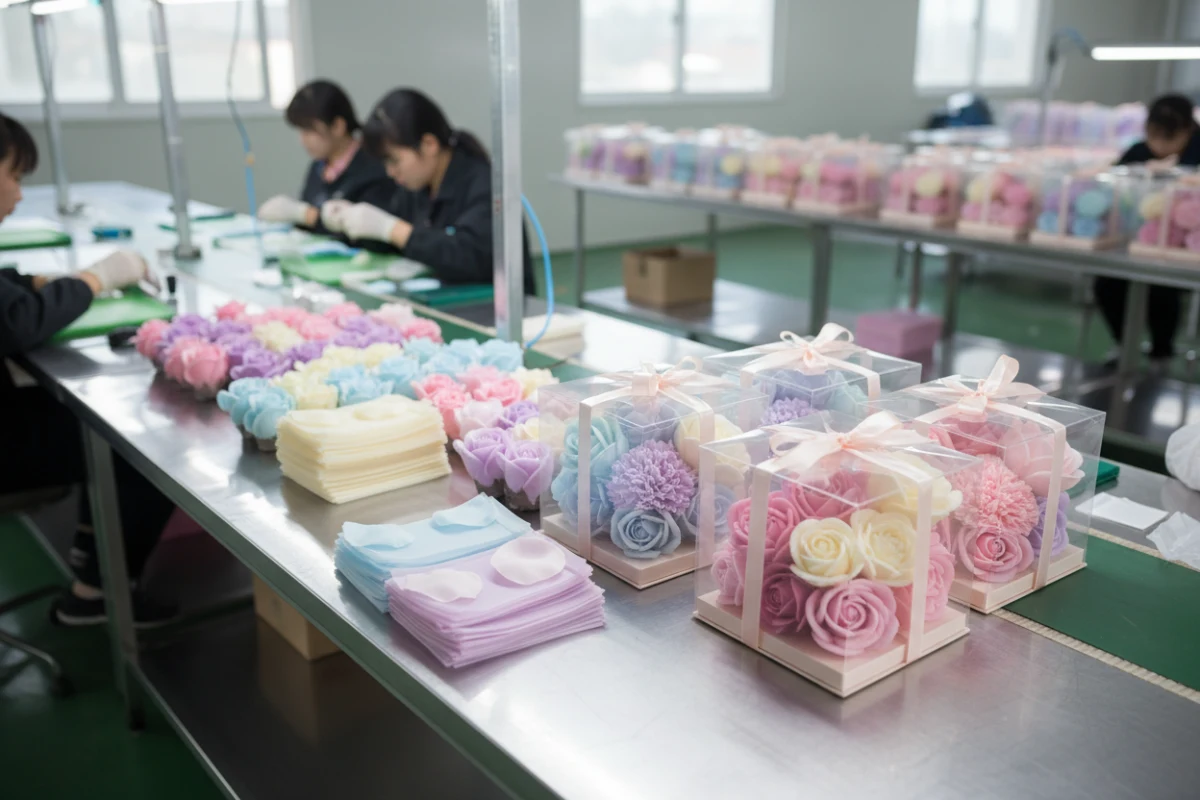
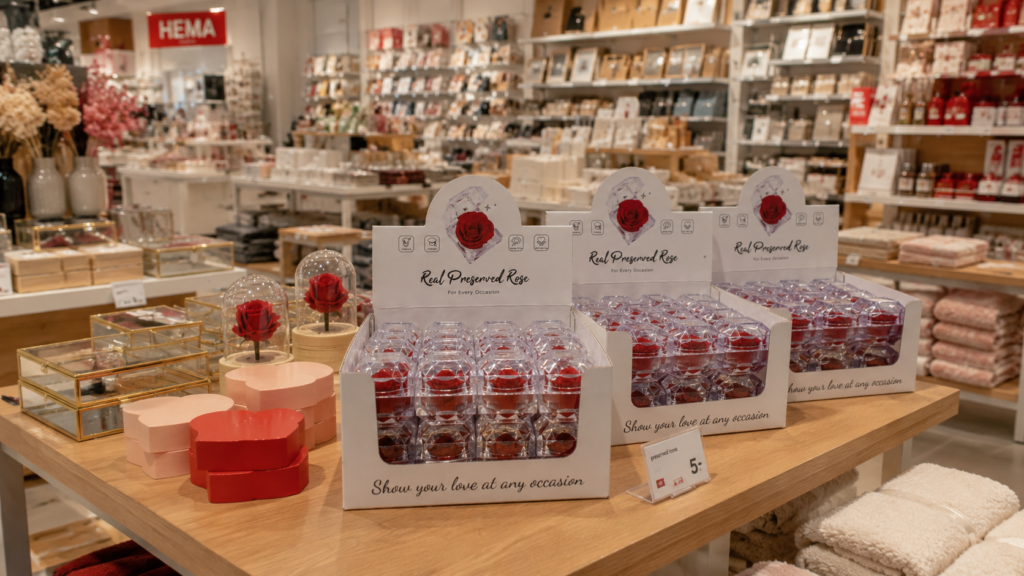
- The Giftability Factor: Ordinary goods are packaged to look like gifts. Simple items like a chocolate bar, a set of tea lights, or a humble dish towel are wrapped in cheerful, high-quality packaging with playful taglines. This instantly transforms a routine purchase into an affordable gift for a friend or a self-care treat.
By fulfilling these emotional and sensory desires, HEMA elevates its products from functional necessities to sources of daily happiness, ensuring high brand loyalty even in a hyper-competitive low-price market.
If you are looking to capture high-margin emotional value through bespoke product design, crafting a cohesive private label line is the key. Developing a private label floral or gift range for a value retail market? Contact inquiry@sweetie-group.com to discuss product direction, target pricing, packaging, and retail-ready development.