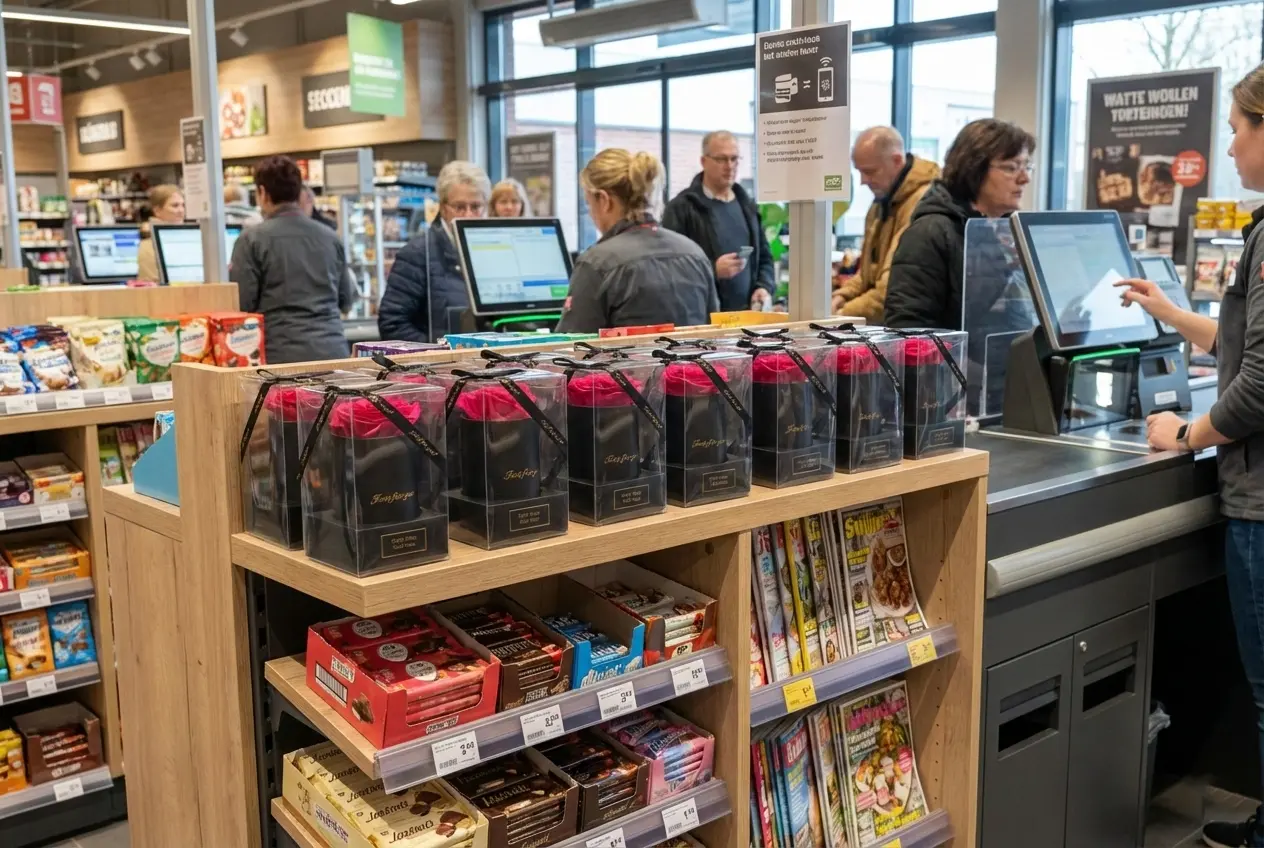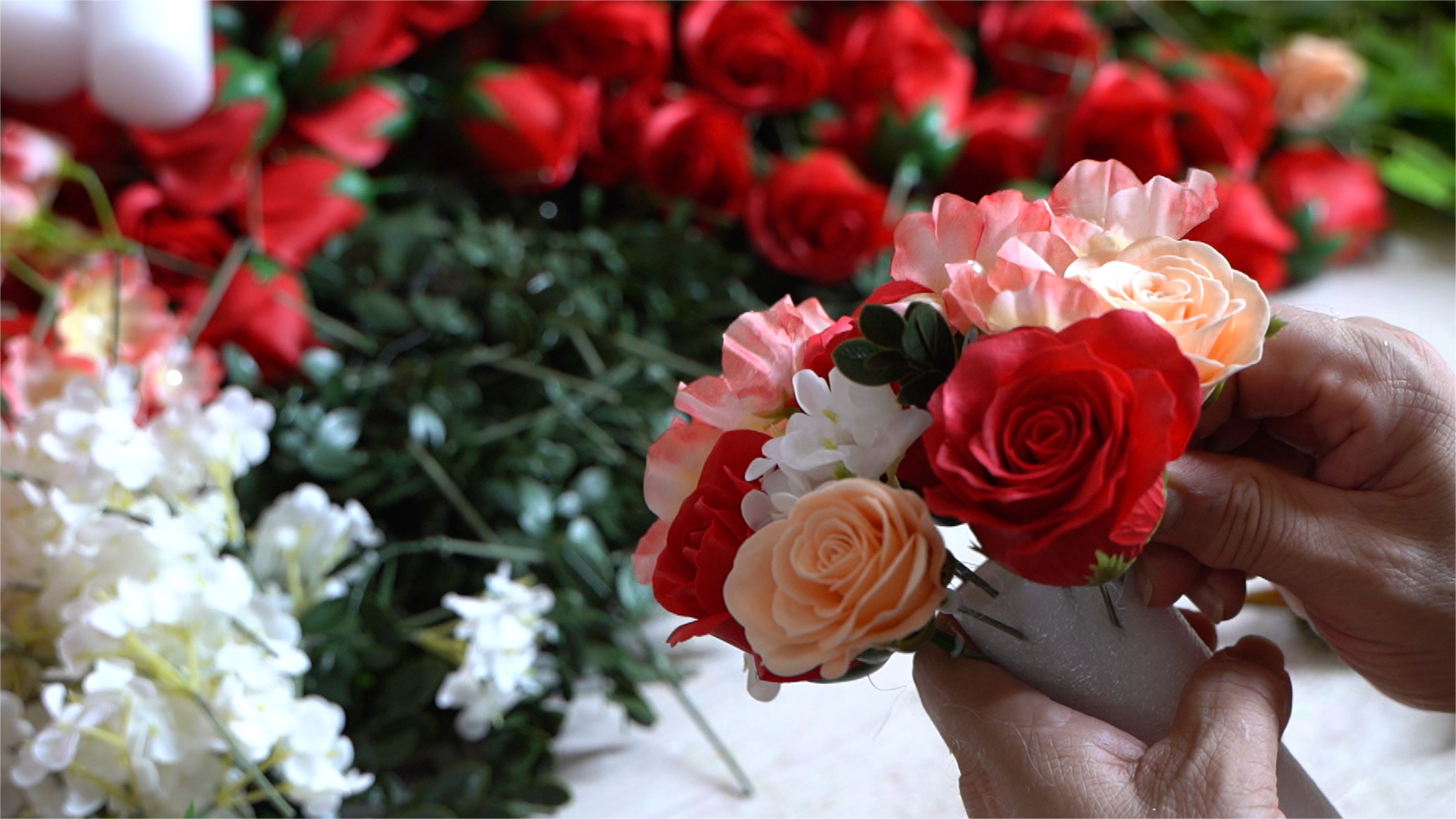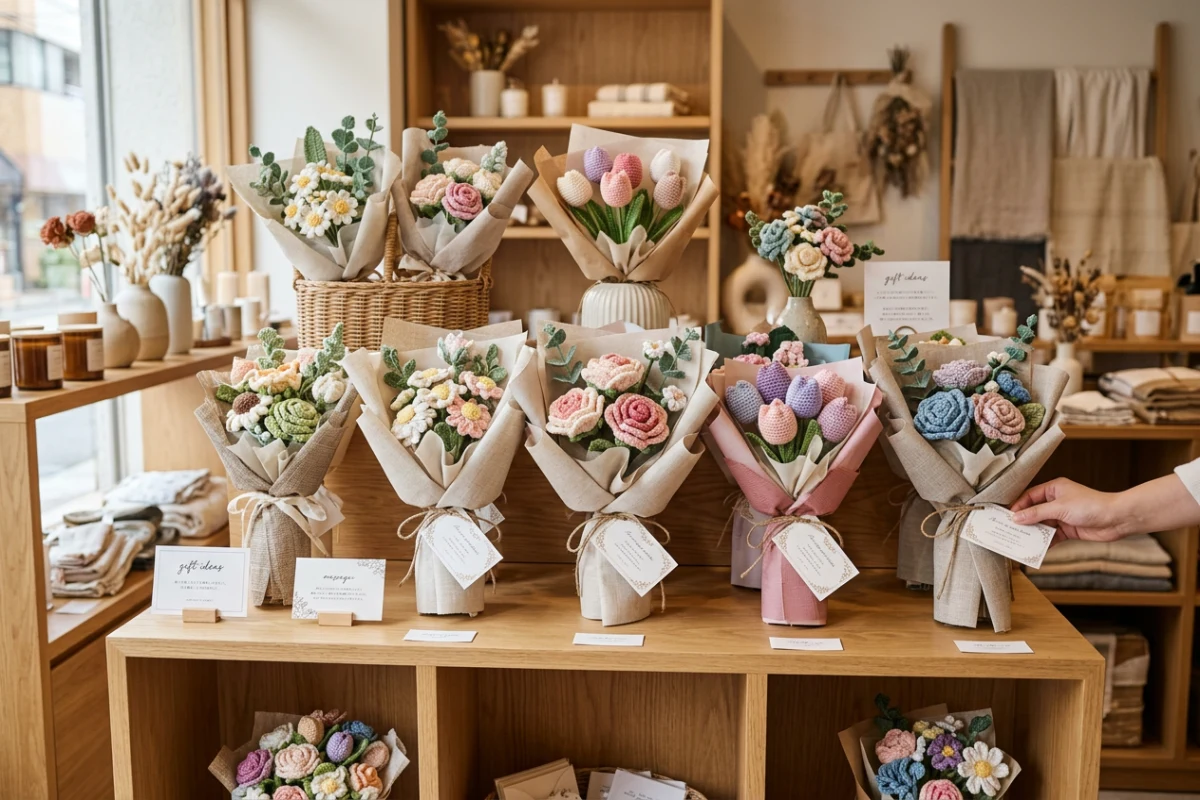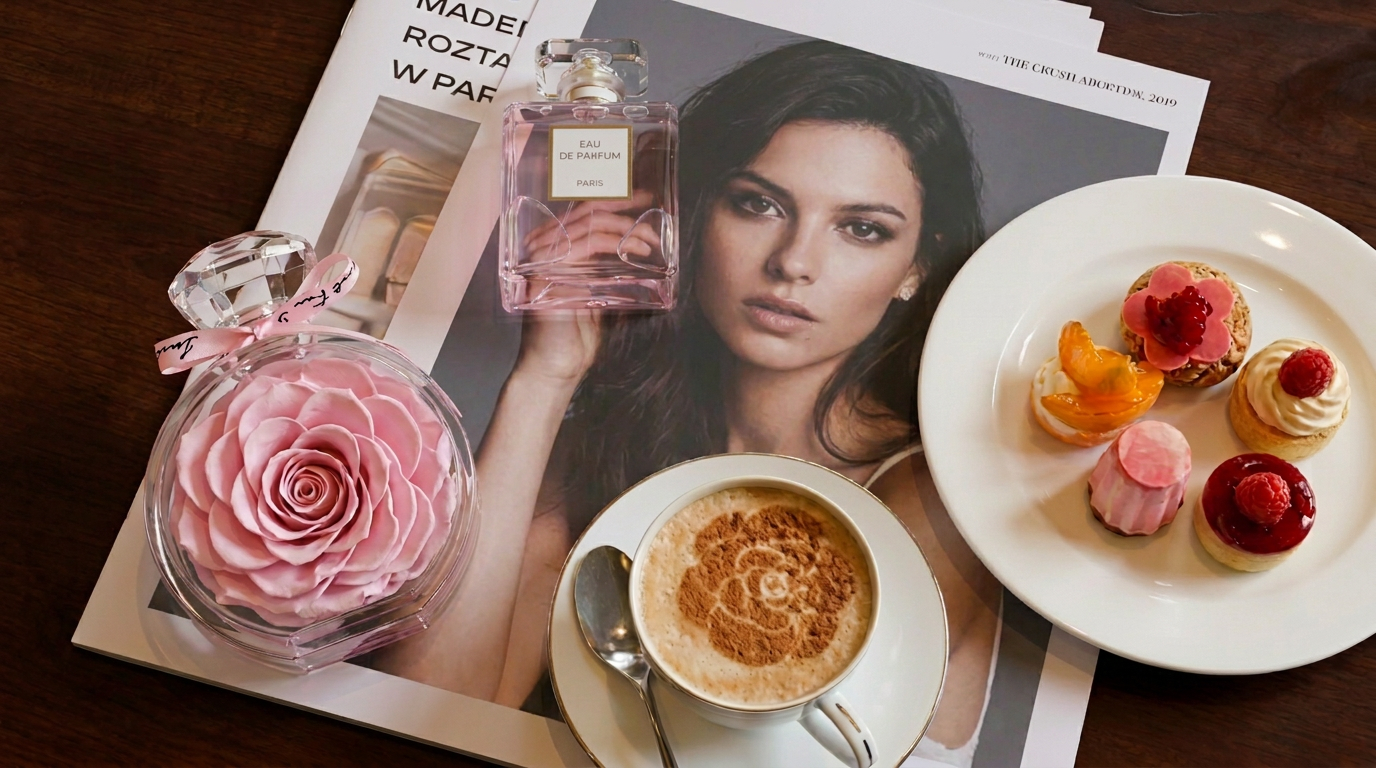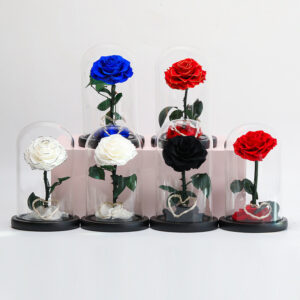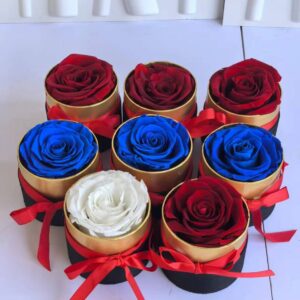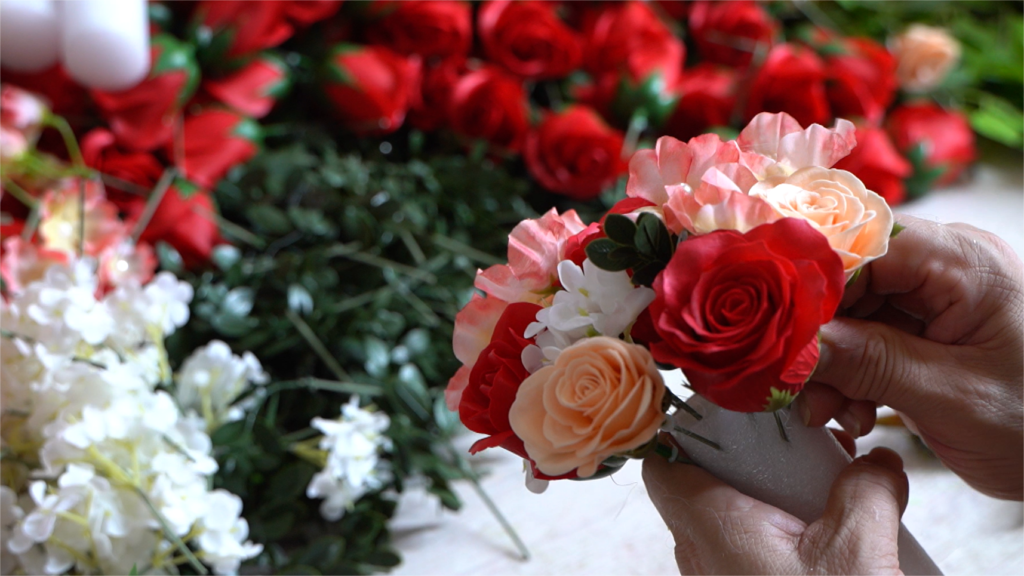
Common decorative soap flower defects include petal cracking, surface specks, deformation, petal separation, stickiness, color bleeding, fading, scent loss, and transit damage, largely driven by raw material formulation, ambient moisture, assembly methods, and handling stresses. Identifying these issues requires evaluating production batches against confirmed golden samples, retaining factory control specimens, and establishing clear inspection tolerances before bulk shipment.
What Are Decorative Soap Flowers and How Do Their Raw Materials Influence Quality?
Decorative soap flowers are ornamental craft products engineered for gift arrangements, boxed sets, floral bouquets, and visual retail displays. Unlike functional bath soaps or personal care cleansers, decorative soap flowers are not formulated or intended for skin cleansing, hygiene, or cosmetic bathing routines. Their formulation focuses almost entirely on visual appeal, structural stability, petal flexibility, and long-term aesthetic shelf life.
From a manufacturing standpoint, decorative soap flower petals are typically compounded from a specialized blend of raw materials, including:
- Corn or Tapioca Starch: Provides rigidity, body, and structure to each molded petal.
- Polyvinyl Alcohol (PVA): Acts as a flexible film-forming binder that gives the thin sheets mechanical resilience.
- Surfactants (e.g., Sodium Lauryl Sulfate / SLS): Assist in raw ingredient blending and give the sheet a smooth, uniform soap-like texture.
- Glycerin and Polyols: Function as humectants and plasticizers to keep petals pliable and prevent brittle fracturing.
- Water-Soluble Pigments or Dyes: Impart vibrant, uniform coloration across single-shade and gradient petal designs.
- Fragrance Oils / Aromas: Added in controlled ratios to impart a subtle, pleasant scent profile to the finished arrangement.
In standard production setups, liquid slurry is cast into thin continuous films, cured, and machine-cut or stamped into individual petal templates. From there, flower heads are machine-pressed or hand-rolled around plastic calyxes, while finished gift boxes and multi-flower bouquets are manually assembled by production staff.
Because the exact proportion of starch, PVA, glycerin, and water varies across factories, the physical behavior of finished flower heads can differ significantly between suppliers. Understanding this material baseline is essential for commercial importers sourcing from a dedicated wholesale soap flower gifts manufacturer, as environmental factors like ambient relative humidity and temperature directly interact with these specific ingredients.
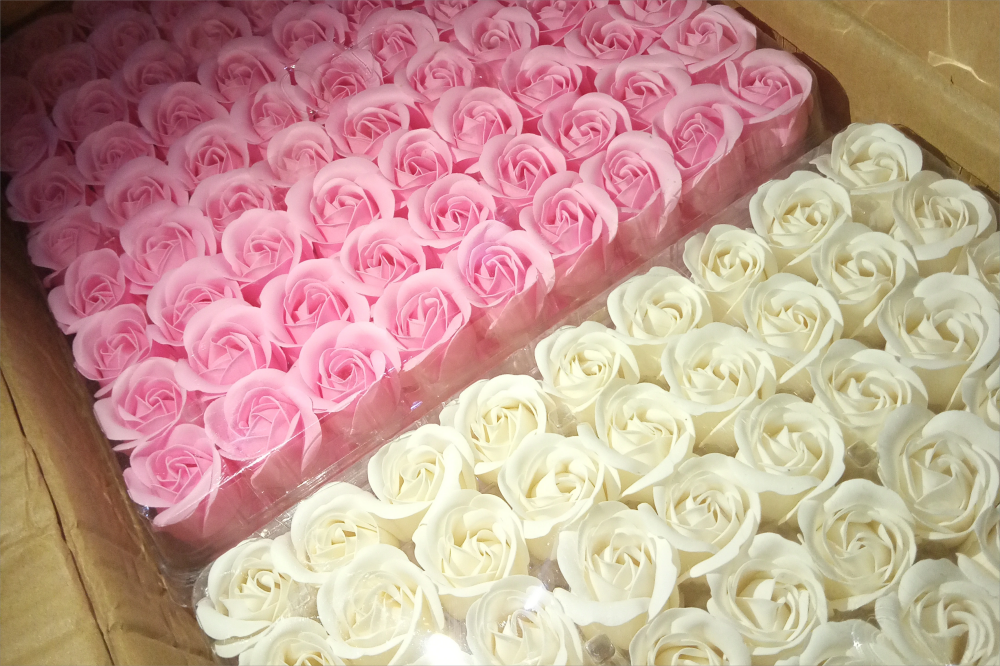
What Are the 9 Most Common Decorative Soap Flower Defects and What Causes Them?
Managing wholesale quality requires a granular understanding of how flaws manifest during production, packaging, and transit. Below is an in-depth breakdown of the nine most prevalent decorative soap flower quality problems encountered in B2B supply chains.
1. Powder Specks and Pigment Spots on Petal Surfaces
- Visual Appearance: Tiny white, chalky specks, micro-granules, or localized dark pigment concentrations appearing scattered across the petal surface upon unboxing.
- Potential Influencing Factors: In standard manufacturing, this can occur if dry starch or surfactant powders are not fully homogenized in the liquid slurry, or if pigment dispersion is uneven during mixing. Sweetie has also received real-world customer feedback where buyers observed faint powder spots immediately upon receiving shipments. Because root causes can vary from localized binder migration to temperature-induced surface efflorescence, the exact chemical trigger remains unconfirmed across different batch recipes. Buyers should recognize this as an occasional raw material variation rather than automatically assuming contaminated stock.
- Prevention and Management: Implementing finer mesh filtration during slurry prep, standardizing high-shear mixing, and checking pre-shipment batch samples against retained counter-samples.
2. Soap Flower Petal Cracking
- Visual Appearance: Hairline splits, fractured outer petal edges, or brittle edges that chip off when touched.
- Potential Influencing Factors: Soap flower petal cracking is primarily driven by an imbalance in the formulation’s plasticizer ratio—specifically insufficient glycerin or excessive starch content—compounded by low-humidity storage conditions (prolonged exposure to dry air below 35% RH). When moisture evaporates from the PVA-starch matrix, the petals lose elasticity and crack under minimal physical flex.
- Prevention and Management: Formulators must balance humectant levels to maintain elasticity across broad climate bands. Buyers should avoid storing carton inventory near direct HVAC heating vents or dry unconditioned warehouses.
3. Flower Head Deformation
- Visual Appearance: Flattened rosettes, asymmetrical bloom shapes, crushed side petals, or squashed center buds.
- Potential Influencing Factors: Flower head deformation typically results from premature packing before petals have fully cured, high stacking pressure inside master cartons, or tight inner-tray nesting where neighboring heads exert mechanical force against one another.
- Prevention and Management: Ensure proper curing time before boxing, use blister trays or partitioned egg-crate dividers for loose heads, and establish strict carton palletization limits.
4. Petal or Flower Head Detachment
- Visual Appearance: Individual outer petals falling away from the base, loose calyxes, or entire flower heads snapping off wire stems or basket mounts.
- Potential Influencing Factors: Weak adhesive bonding between the machine-formed petal core and the injection-molded calyx, insufficient hot-melt glue during manual gift box assembly, or severe vibration frequencies during ocean and truck transit.
- Prevention and Management: Standardize mechanical insertion depth on calyx pins, specify high-tack hot melt rated for temperature swings, and perform carton drop-testing during batch validation.
5. Moisture Absorption and Petal Stickiness
- Visual Appearance: Petals that feel tacky, damp, or gummy to the touch; adjacent petals fusing together into a solid mass; visible loss of structural crispness.
- Potential Influencing Factors: Starch and glycerin are inherently hygroscopic. When relative humidity exceeds 65-70% for extended periods without protective barriers, the flower petals absorb atmospheric moisture, softening the PVA binder.
- Prevention and Management: Enclose gift boxes and bulk head cartons in sealed polyethylene inner liners with calibrated silica gel desiccant packs. Importers should maintain dry warehouse storage conditions.
6. Color Bleeding Between Adjacent Petals
- Visual Appearance: Darker dye migrating into lighter petals (e.g., vibrant red petals leaving pink halos on adjacent ivory or white petals) or staining inner gift box lining fabrics.
- Potential Influencing Factors: Preventing soap flower color bleeding depends on dye stability. High ambient moisture acts as a solvent for water-soluble colorants, allowing free dye molecules to wick across contact points.
- Prevention and Management: Use colorfast, high-grade cosmetic-grade pigments, ensure thorough petal drying before packing multi-color arrangements, and avoid high-humidity transit lanes without desiccants.
7. Petal Color Fading
- Visual Appearance: Dulling of vibrant reds, purples, and blues into washed-out pastels; uneven yellowing of white or cream petals.
- Potential Influencing Factors: Prolonged exposure to direct sunlight, high UV retail lighting, or raw colorants with low lightfastness ratings. Starch components can also oxidize slowly over long storage periods.
- Prevention and Management: Store bulk cartons in opaque outer packaging away from direct window displays; use UV-resistant master cartons during shipping.
8. Scent Dissipation and Abnormal Chemical Odors
- Visual Appearance / Sensory: Complete absence of floral scent shortly after delivery, or a strong, acrid chemical, solvent, or sour odor upon opening the master carton.
- Potential Influencing Factors: Natural fragrance oils naturally evaporate over time; scent dissipation alone does not indicate a defective product. However, unpleasant chemical odors point to uncured PVA solvents, low-grade industrial fragrance bases, or off-gassing EVA hot-melt glue trapped in airtight packaging before curing.
- Prevention and Management: Allow proper carton aeration time before final seal, source stable microencapsulated fragrances where appropriate, and avoid low-grade synthetic scents.
9. Packaging and Transit Damage
- Visual Appearance: Crushed outer carton corners, collapsed inner acetate display windows, scuffed presentation boxes, or dislodged flower arrangements inside presentation gift sets.
- Potential Influencing Factors: Substandard master carton burst strength (single-wall vs. reinforced double-wall corrugated), inadequate internal bracing, loose master packing allowing inner boxes to shift, or rough courier handling.
- Prevention and Management: Upgrade to 5-ply double-wall export cartons, implement custom-fit EVA foam or vacuum-formed blister inserts, and mandate strict carton drop-test protocols before cargo handover.
If your procurement team needs guidance on establishing clear AQL standards, validating custom color formulations, or reviewing master packaging specs, reach out to our team at sales@sweetie-group.com for detailed technical support.
How Can Buyers Distinguish Between Normal Material Variations and True Defects?
In B2B sourcing, distinguishing between natural material behavior and actionable manufacturing defects is vital for fair vendor evaluations and dispute resolution. Because decorative soap flowers are composite craft items combining machine processing and manual arrangement, minor variations are an inherent part of the medium.
Acceptable Material Variations
- Micro-Texture Nuances: Slight differences in petal grain or subtle light reflection variations across different production runs are normal outcomes of slurry curing and calendering.
- Natural Fragrance Fading: A gradual reduction in scent intensity over a 3 to 12-month period is a natural physical process of volatile organic compounds evaporating, not a product defect.
- Minor Hand-Assembly Nuances: Small angular differences in petal curling or blossom placement in handcrafted gift boxes reflect artisanal assembly, provided the overall bouquet silhouette matches the approved technical drawing.
Actionable Quality Defects
- Non-Compliant Color Deviations: Noticeable delta-E color drift compared to the approved pre-production golden sample.
- Structural Petal Failure: Any cracking, tearing, or brittle disintegration under normal room temperature handling.
- Moisture Damage on Arrival: Sticky, fused, or weeping petals discovered immediately upon opening intact factory seals.
- Cross-Staining: Visible color bleed transferring from dark blooms onto white or light pastel petals within the same arrangement.
Understanding these distinctions allows procurement teams to set reasonable acceptance parameters in supplier purchase agreements rather than applying unrealistic zero-tolerance criteria intended for precision-machined plastic goods.
What Diagnostic Framework Helps Wholesale Buyers Identify and Prevent Soap Flower Defects?
The following comparison table serves as a quick reference guide for incoming quality control (IQC) teams, detailing how to spot common defects, their primary drivers, and effective prevention strategies.
| Defect Category | Primary Visual / Physical Symptom | Most Probable Root Causes | Prevention & Sourcing Controls |
|---|---|---|---|
| Powder / Pigment Specks | White micro-dots or dark pigment clusters on petals | Incomplete slurry blending, pigment agglomeration, or unconfirmed material efflorescence | Request retained factory sample review; specify fine slurry filtration |
| Petal Cracking | Brittle, split, or fractured petal edges | Low glycerin plasticizer ratio; storage in dry environments (<35% RH) | Formulate balanced humectants; avoid over-drying during curing |
| Flower Head Deformation | Flattened rosettes, squashed buds | Packing before full cure; excessive carton stacking pressure | Mandate structural blister packaging; enforce carton palletization rules |
| Petal / Calyx Detachment | Petals falling off base; loose stem pins | Inadequate hot melt volume, weak calyx grip, transport vibration | Verify glue bonding specifications; conduct carton vibration testing |
| Moisture Stickiness | Petals tacky, gummy, or melted together | Exposure to ambient humidity >70% RH; lack of desiccant protection | Use sealed poly inner bags with silica gel; store in dry warehouses |
| Color Bleeding | Dye transferring across adjacent light petals | Excess water-soluble dye; high humidity activating dye mobility | Formulate colorfast pigments; avoid shipping multi-color sets without moisture barriers |
| Petal Fading | Dull, washed-out shades; yellowing whites | Prolonged UV light exposure; non-lightfast dyes; starch oxidation | Use UV-protective packaging; store inventory away from direct light |
| Odor Anomalies | Pungent chemical or solvent smell | Off-gassing adhesives or uncured binder trapped in sealed cartons | Mandate complete post-assembly off-gassing before final carton sealing |
| Transit Crushing | Dented presentation boxes, loose flowers | Thin single-wall outer cartons; lack of internal foam/tray support | Upgrade to 5-ply double-wall corrugated cartons; specify snug master packing |
How Do Packaging and Shipping Conditions Cause or Prevent Soap Flower Damage?
International ocean freight and domestic long-haul logistics expose decorative soap flowers to severe climate variations and mechanical forces. A product that leaves the factory floor in pristine condition can easily deteriorate inside a standard shipping container if proper protective measures are neglected.
Managing Container Microclimates and Moisture
Ocean shipping containers frequently experience “container rain”—a phenomenon where high daytime temperatures evaporate moisture trapped inside timber pallets and cardboard, which then condenses on cold container ceilings at night and drips onto cargo.
Because soap flowers are starch- and surfactant-based, uncontrolled humidity can cause rapid petal softening and color migration. Professional export packing requires:
- High-Absorption Container Desiccant Poles: Calcium chloride desiccant bags suspended along container walls to maintain ambient humidity below 60%.
- Sealed Polyethylene Inner Carton Liners: Poly bags enclosing individual master cartons to act as a primary vapor barrier against external humidity spikes.
- Individual Silica Gel Sachets: Placed directly inside presentation gift boxes to absorb residual moisture.
Structural Protection Against Mechanical Vibration
Long-distance transport subjects cartons to continuous low-frequency vibration and abrupt drop impacts during intermodal transfers. To prevent petal separation and display box scuffing, buyers should specify:
- Custom-Molded Blister Trays: Transparent PET or PVC trays that lock each individual flower head in place, preventing contact with adjacent blooms.
- Fitted EVA Foam Bases: Dense foam cutouts inside gift boxes that secure floral stems and prevent lateral movement.
- Outer Master Carton Strength: Minimum 5-ply (double-wall) corrugated master cartons with an edge crush test (ECT) rating suited to multi-tier pallet stacking.
To simplify assortment planning and balance your shipping configurations across varied gift box dimensions, buyers can use Sweetie AI to explore suitable product selections and plan packaging allocations aligned with specific retail channels.
How Should Wholesale Buyers Conduct Soap Flower Inspection and Handle Claims?
Executing a rigorous wholesale soap flower inspection protocol ensures that defective batches are identified before goods depart the manufacturing hub, significantly reducing cross-border return costs and customer disputes.
Key Steps in Pre-Shipment Inspection (PSI)
- Sampling Standard: Conduct incoming inspections following ISO 2859-1 (ANSI/ASQ Z1.4) sampling tables, typically utilizing General Inspection Level II with an Acceptance Quality Limit (AQL) of 1.5 for critical defects, 2.5 for major functional flaws, and 4.0 for minor cosmetic variations.
- Comparison Against Golden Samples: Always compare production units side-by-side with the signed pre-production “golden sample” under standardized 6500K (D65) daylight lighting to evaluate color accuracy, bloom density, and fragrance profile.
- Physical Integrity Checks: Conduct a manual gentle flex test on outer petals to confirm elasticity (verifying the absence of petal cracking) and verify hot-melt glue adhesion by gently tugging outer petals.
- Carton Drop Test: Execute an ISTA 1A drop test (1 corner, 3 edges, 6 faces from a calibrated drop height) on fully packaged master cartons to verify internal bracing and presentation box integrity.
The Value of Factory Retained Samples and Documentation
When unexpected quality issues arise upon container destuffing, resolving claims efficiently depends on objective evidence rather than subjective impressions. Reputable suppliers retain sealed reference samples from every mass-production batch alongside pre-shipment inspection logs and loading photos.
If a buyer discovers powder spots, petal cracking, or color bleed upon arrival, the following documentation workflow should be initiated:
- Photographic & Video Evidence: High-resolution images showing the overall carton, inner packing, affected units, and batch numbers printed on outer labels.
- Retained Sample Cross-Check: The factory inspects its retained batch sample kept under controlled storage conditions to determine whether the issue is a systemic chemical batch defect or the result of shipping container environment breaches.
- Dispute Settlement: Claims are evaluated against agreed-upon purchase contract specifications, enabling fair compensation, batch replacements, or credit notes.
For bulk decorative soap flower orders, OEM/ODM customization, or questions about product specifications and packaging, contact Sweetie-Gifts at sales@sweetie-group.com. Share your requirements, and our team will help you explore suitable solutions.
Frequently Asked Questions About Decorative Soap Flower Defects
Can cracked or brittle soap flower petals be repaired once received?
No, cracked or brittle soap flower petals cannot be permanently repaired. Once the starch-PVA polymer matrix loses its moisture and fractures, applying water or heat will cause the surrounding soap material to dissolve or deform rather than bond cleanly. Brittle petals indicate an imbalance in plasticizer formulation or excessive dry storage, and affected blooms must be replaced.
What is the ideal warehouse storage environment for decorative soap flowers?
Decorative soap flowers should be stored in a climate-controlled warehouse with relative humidity maintained strictly between 40% and 60%, and ambient temperatures between 15°C and 25°C (59°F to 77°F). Cartons should be elevated off concrete floors on wooden or plastic pallets and kept away from direct sunlight, heating radiators, and air conditioning vents.
Why do white or pastel soap flowers sometimes turn yellow over time?
Yellowing in white or pastel soap flowers is typically caused by natural oxidation of organic starch binders, long-term degradation of certain synthetic fragrances containing vanillin, or extended exposure to ambient ultraviolet (UV) light. Storing finished products in sealed, opaque packaging away from UV radiation significantly slows this natural discoloration process.