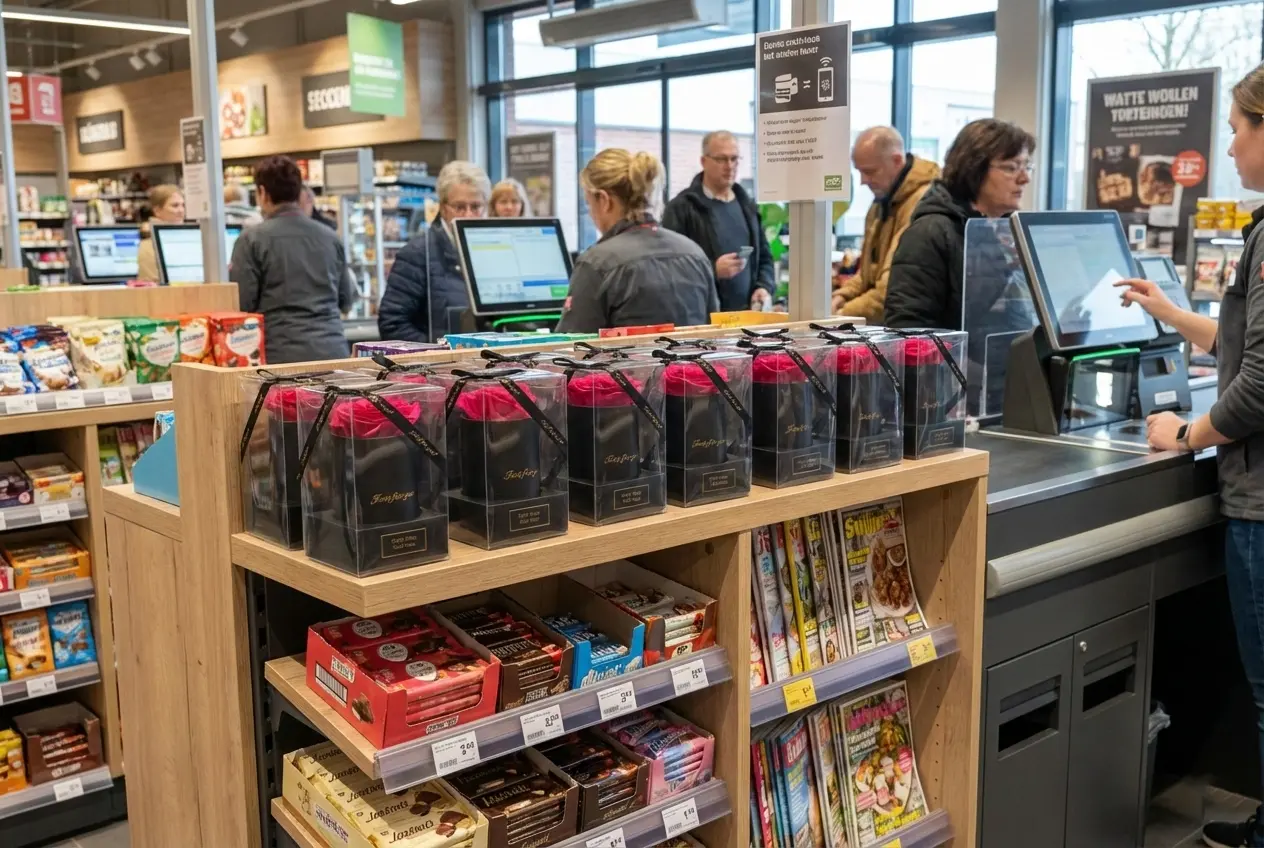
Two suppliers may quote similar-looking impulse gifts at almost the same unit price, yet offer very different purchasing arrangements.
One may require a large quantity of custom packaging that exceeds your initial store rollout. Another may accommodate a smaller trial order but have no clear plan for maintaining product consistency when you need to reorder.
For a convenience store chain, these differences can matter more than a small difference in unit price.
Unlike a single gift shop, a chain retailer needs products that can move through purchasing, distribution, and store operations without creating unnecessary complications. An attractive product is only the beginning.
Successful impulse gift sourcing means finding products that fit your retail program and suppliers who can support the entire purchasing cycle, from initial samples to repeat orders.
Whether you purchase for convenience stores, gas station networks, or regional distributors, this guide explains how to prepare a sourcing brief, compare suppliers, plan trial quantities, and establish a reliable supply arrangement.
1. Start With a Clear Retail Sourcing Brief
One of the easiest ways to complicate a sourcing project is to request quotations before defining what the retail program actually needs.
Suppliers can recommend products more accurately when they understand where the merchandise will be sold, how it will be distributed, and what the buyer expects from the first order.
Define Your Sales Channel and Purchasing Objectives
Convenience stores may share similar operating characteristics, but their purchasing needs are not identical.
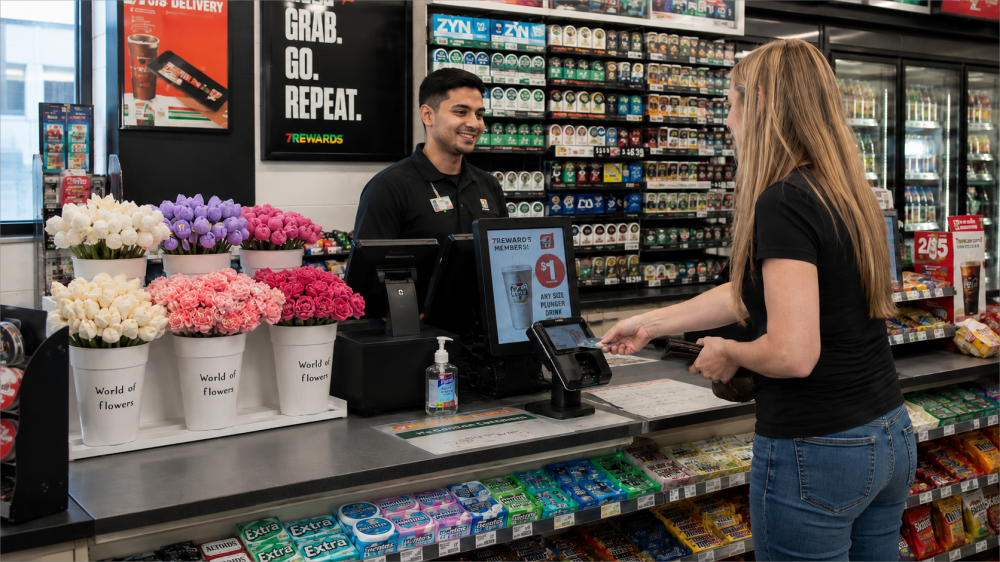
A neighborhood convenience store chain might want small, affordable gifts that customers can purchase throughout the year. A highway travel stop operator may prefer souvenir-style merchandise. An urban chain planning a Valentine’s Day promotion may need gift-ready products with a short, clearly defined selling period.
Importers and regional distributors face another consideration: the same assortment may need to serve several retail customers with different price points and packaging requirements.
Before contacting suppliers, define your target customer, intended selling occasion, expected retail price range, and preferred product characteristics.
It also helps to identify whether the products are intended for a short promotional campaign or an ongoing merchandise category. That decision will influence how you approach product development, inventory, and future orders.
What Information Should a Buyer Include in an RFQ?
A Request for Quotation (RFQ) does not need to be complicated. However, it should provide enough detail for suppliers to prepare comparable offers.
For a convenience store gift program, useful information includes:
- Retail channel: Convenience store chain, gas station network, travel retail, or wholesale distribution.
- Initial rollout: Estimated number of stores and expected product allocation per location.
- Product requirements: Preferred gift formats, materials, dimensions, and target retail price range.
- Customization: Existing products, private labeling, custom colors, or special packaging.
- Delivery requirements: Destination market, requested delivery date, and distribution arrangements.
- Compliance and labeling: Relevant market requirements, product identification, and retailer-specific instructions.
The more clearly these requirements are defined, the easier it becomes to compare suppliers fairly.
Buyers who are still exploring product options can also use Sweetie AI to identify floral gift products suited to different sales channels and purchasing needs. The tool can help narrow product choices and support preliminary procurement planning before requesting formal quotations and samples.
The goal at this stage is not to finalize every product detail. It is to establish a realistic starting point for supplier discussions.
2. How to Evaluate an Impulse Gift Supplier
A product catalog shows what a supplier can offer. It does not necessarily show how well that supplier manages production, quality, and delivery.
For chain buyers, those operational capabilities deserve just as much attention as product design.
Check the Supplier’s Manufacturing and Development Capabilities
Start by understanding how the proposed products are manufactured.
Does the supplier control the production process, work with specialized manufacturing partners, or purchase finished goods from other factories?
Different supply arrangements can work well. What matters is knowing who is responsible for product specifications, quality control, production scheduling, and problem resolution.
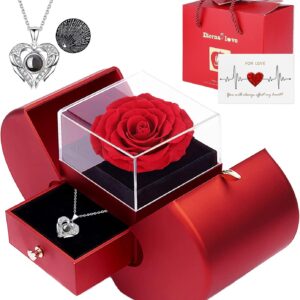
For example, preserved flower gifts, plush flowers, and decorative soap flower gifts involve different materials and manufacturing processes.
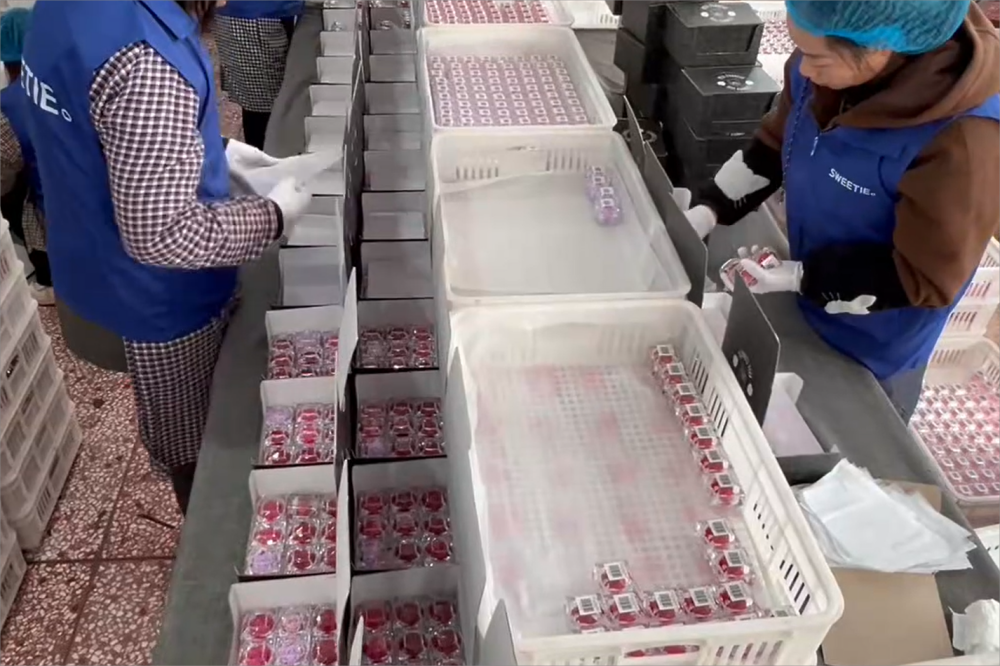
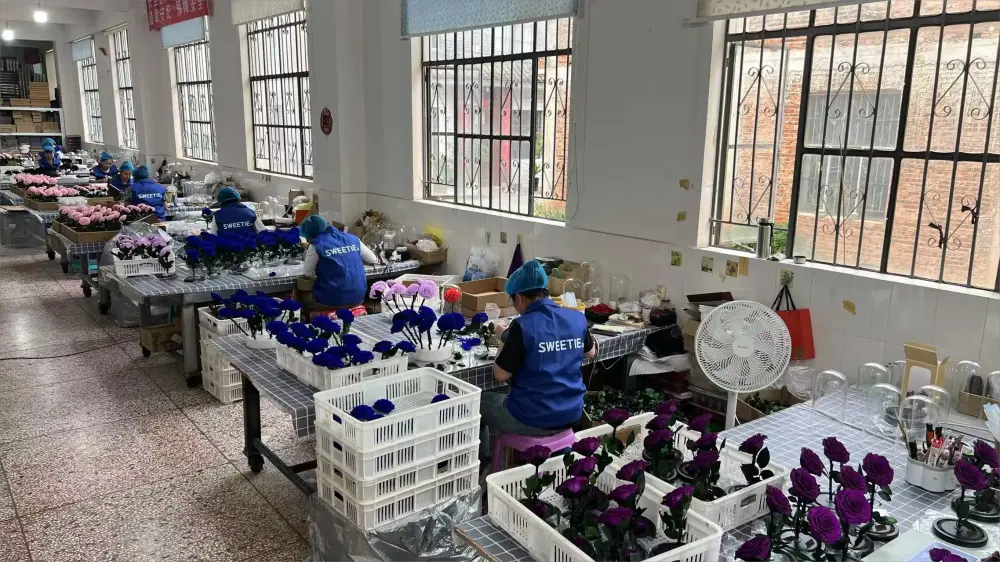
Preserved flower products require attention to flower quality, color selection, assembly, and structural protection. Plush items depend on fabric, stitching, filling, and accessory consistency. Decorative soap flowers have their own material, presentation, and packaging requirements.
A capable supplier should understand these differences and explain how the proposed product can be manufactured consistently.
When comparing suppliers, ask whether they can provide production samples, relevant manufacturing information, and a clear explanation of their quality inspection procedures.
Confirm How Samples Become Production Standards
An attractive sample is encouraging, but it does not guarantee that the delivered merchandise will match it.
For chain retail programs, buyers should establish an approved reference sample and documented specifications before production begins.
Depending on the product, these specifications may cover dimensions, materials, colors, assembly details, accessories, packaging, and acceptable appearance variations.
This is especially important for handmade floral gifts.
Natural flower materials can vary slightly in shape and appearance. The buyer and supplier should agree on acceptable material variations while maintaining consistent product dimensions, assembly quality, packaging, and overall retail presentation.
The process should also address what happens if a material becomes unavailable or the supplier needs to propose a substitution.
Material or design changes should be reviewed and approved before they affect commercial production.
For larger orders, buyers may also request inspection records or arrange an independent pre-shipment inspection.
Verify Retail Distribution Experience
Some suppliers are familiar with manufacturing products but have limited experience handling the requirements of large retail customers.
A chain’s distribution center may need specific carton labels, packing lists, product identifiers, and receiving documentation.
An importer may have different requirements for customs paperwork, consolidated shipments, and product testing.
Ask suppliers how they handle these requirements and which services are included in their quotation.
Experience with similar retail projects is useful, but clear documentation and an agreed division of responsibilities are equally important.
Confirm Product Classification and Market Requirements
Compliance requirements depend on the product, its intended use, the destination market, and any claims made about it.
For example, a plush product sold as a children’s toy may be subject to different requirements from a decorative gift intended for adults. A decorative soap flower should not automatically be classified as a cosmetic or cleansing product simply because of its name.
For products sold in the European Union, buyers should review applicable product safety rules, including the EU General Product Safety Regulation, where relevant.
Other markets, including the United States, Australia, Japan, South Korea, and the Middle East, have their own requirements.
Before confirming an order, buyers should establish which party is responsible for determining applicable regulations, arranging necessary testing, approving labels, and maintaining supporting documentation.
Existing certificates can be helpful, but they need to be relevant to the actual product and target market.
At Sweetie, our product development and manufacturing work covers several floral gift categories, including preserved flowers, soap flowers, plush flowers, crochet flowers, and rose animal gifts. Product specifications, customization, packaging, and production arrangements are reviewed according to each project’s requirements.
Need help evaluating floral gift options for a convenience store program? Email inquiry@sweetie-group.com with your target market, estimated quantity, and product requirements.

3. How to Plan Trial Orders and Flexible MOQs
Minimum order quantity, or MOQ, is one of the most common questions in wholesale sourcing.
It is also an area where buyers and suppliers sometimes misunderstand each other.
A buyer may want to test a small assortment across several stores, while the manufacturer needs to consider materials, production efficiency, and packaging quantities.
Neither side benefits from treating MOQ as a number that can be discussed independently of the product.
Why MOQs Vary by Product and Customization
There is no universal MOQ for impulse gifts.
Order quantities depend on several factors, including product type, material availability, manufacturing process, customization requirements, and packaging.
An existing product using standard materials may have different order requirements from a newly developed item with exclusive colors, components, or packaging.
Sometimes the limitation comes from a particular material rather than the finished product itself.
For example, a customized printed box may have a separate minimum production quantity. This can affect the overall purchasing arrangement even when the gift inside is relatively simple to manufacture.
Buyers should therefore ask suppliers to explain which requirements influence the minimum quantity.
This often reveals opportunities to adjust the product or packaging without compromising the intended retail presentation.
Build the Trial Order Around Store Allocation
A trial order should be large enough to provide useful sales information but not so large that the buyer takes unnecessary inventory risk.
Consider a hypothetical chain planning to introduce a gift in 30 stores.
If the initial allocation is eight units per store, the required store inventory would be:
30 stores × 8 units = 240 units
This is only the initial store allocation. The buyer may also need inventory for the distribution center, product replacements, or planned replenishment.
The final order quantity should reflect the supplier’s production requirements and the retailer’s inventory strategy.
For a meaningful trial, buyers should consider which stores will participate, how long the test will run, and what sales results would justify expansion.
An urban location may produce different results from a highway service station. Where practical, testing several store types can provide more useful information than selecting locations that all serve similar customers.
It is also important to distinguish weak demand from poor availability. A product cannot generate sales when it is not on the shelf.
Compare Practical Order Scenarios
Instead of asking only for the lowest possible MOQ, buyers can request quotations under different purchasing arrangements.
For example, one scenario might use an existing product with standard packaging. Another might involve minor packaging customization. A third could include a fully customized retail presentation.
Each scenario should clearly state the quantity, product specifications, packaging, and price.
This allows buyers to understand what the customization adds to the total cost and whether those features justify the initial investment.
In some cases, standardizing part of the packaging or reducing the number of color variations can make a trial easier to organize.
However, mixed assortments and smaller production batches must be confirmed with the supplier. They should not be assumed to be available for every product.
The purpose of trial purchasing is to learn whether the product has commercial potential without committing more inventory than the program reasonably needs.
4. Confirm Case Packs, Packaging, and Commercial Terms
Once the product and trial quantity are agreed upon, attention should shift to how the goods will be packed, identified, shipped, and received.
This is where seemingly minor details can create unexpected costs.
Match Case Packs to Store Distribution
MOQ and case pack quantity describe different things.
MOQ concerns the quantity required for a particular purchasing or production arrangement. Case pack quantity describes how many products are packed together in a shipping or distribution unit.
Returning to the hypothetical 240-unit trial, if each master carton contains 12 units, the order would require 20 master cartons.
That may be convenient for a distribution center. For a chain operating with smaller store allocations, however, the buyer should also consider how individual cartons will be divided among stores.
The supplier and buyer need to agree on whether cartons contain a single SKU, an approved mixed assortment, or separate inner packs.
A retailer should not discover after delivery that its warehouse needs to unpack and manually reorganize every shipment.
Approve Packaging Specifications Before Production
Packaging must serve both the product and the distribution process.
Buyers should confirm individual packaging dimensions, inner pack quantities, master carton quantities, carton dimensions, gross weight, and the required labeling format.
Protective packaging should reflect the product’s characteristics and expected transportation conditions.
For floral gifts, this may involve securing delicate components, preventing movement inside gift boxes, or protecting transparent surfaces against scratches.
The purpose is to reduce damage and handling problems while keeping packaging costs reasonable.
Buyers should also confirm product identification requirements before artwork is printed.
The GS1 GTIN Management Standard explains how changes to case quantities can affect product identification at higher packaging levels. Retailers and suppliers should agree on the relevant product and carton identifiers, including responsibility for assigning and validating them.
These details are easier to resolve before production than after thousands of packages have been printed.
Compare the Total Purchasing Cost
Unit price is important, but two quotations are only comparable when they cover equivalent products and services.
Buyers should confirm whether quoted prices include retail packaging, export cartons, product labeling, applicable testing, and other agreed services.
Trade terms also matter.
An EXW quotation, for example, does not represent the same transportation responsibilities as a DAP quotation. Buyers need to understand the applicable Incoterms and calculate the remaining logistics and import costs.
A practical comparison should consider the expected landed cost, not only the factory price.
Payment terms, inspection arrangements, claims procedures, and responsibility for design changes should also be agreed upon before the purchase order is finalized.
A supplier offering a slightly lower product price may not be the more economical option if the purchasing arrangement creates additional handling, freight, or quality-related expenses.
5. Plan Production, Delivery, and Replenishment
A successful first purchase is useful. A repeatable sourcing process is more valuable.
For convenience store chains, delivery planning must account for product development, manufacturing, international logistics, and store-level inventory requirements.
Work Backward From the Required In-Store Date
Start with the date the product needs to be available for sale, not the date the buyer hopes to place the order.
A sourcing schedule may include sample preparation, sample approval, packaging artwork, material purchasing, production, inspection, international shipping, customs clearance, and distribution center receiving.
Not every project requires the same steps or lead times.
Existing products with approved packaging may be easier to schedule than fully customized designs requiring new materials and several sample revisions.
Buyers should ask suppliers which production milestones depend on final approvals.
For example, a delay in confirming packaging artwork may affect printed material procurement and therefore the overall production schedule.
It is also useful to clarify exactly when the quoted production lead time begins.
Does it start after the purchase order is confirmed? After the deposit is received? Or only when the product sample and packaging have been approved?
These distinctions should be documented.
For seasonal merchandise, the plan should include an appropriate contingency for transportation and other uncertainties.
Arriving at a destination port is not the same as being available at stores.
Establish a Reorder Point Based on Actual Demand
After the initial rollout, buyers should use sales and inventory information to determine whether, when, and how much to reorder.
A basic inventory planning principle is:
Reorder Point = Expected Demand During Replenishment Lead Time + Safety Stock
Suppose a product sells an average of five units per week across a defined store group, and the expected replenishment lead time is six weeks.
Expected demand during that period would be 30 units.
If the buyer decides that an additional 10 units of safety stock is appropriate, the reorder point would be 40 units of available inventory for that same store group.
This is an illustrative calculation. Actual reorder planning should account for demand variability, confirmed production and logistics schedules, available inventory, outstanding orders, and case pack requirements.
For seasonal products, the remaining selling period is particularly important.
A product selling quickly in early February may not justify another shipment if the additional goods cannot arrive until after Valentine’s Day.
Replenishment decisions should reflect both sales potential and the risk of remaining inventory.
Protect Consistency Between Production Batches
When a retailer reorders a successful gift, customers expect the same recognizable product.
That makes repeat-production specifications important.
Buyers should retain approved samples, packaging specifications, product identification details, and records of agreed material or color requirements.
Before a repeat order, the supplier should confirm whether the original materials and components remain available.
If changes are necessary, the buyer should receive the details for approval before production.
For handmade floral gifts, acceptable material variations should be documented without compromising the product’s overall appearance or structural quality.
A repeat order should not require the purchasing team to restart the entire product approval process unless something material has changed.
Review Retail and Supplier Performance Together
The first selling period provides information about both the product and the supplier.
Buyers can evaluate sales velocity, stock availability, product returns, damage reports, and any unsold inventory.
At the same time, they should assess delivery accuracy, packaging performance, product consistency, and the supplier’s response to operational problems.
This combined review helps determine whether a product is ready for broader distribution.
A fast-selling item with recurring quality problems may need improvements before expansion. A slower product with strong quality performance may require a different price point, store allocation, or selling occasion.
The objective is to make the next purchasing decision based on evidence rather than assumptions.
Planning a trial rollout or replenishment program? Send your requirements to inquiry@sweetie-group.com to discuss product options, packaging, and production arrangements.
6. Final Supplier Checklist Before Placing a Purchase Order
Before confirming an order, buyers should make sure that the commercial and operational details are documented.
The following checklist can be used when reviewing several suppliers or preparing an internal purchasing approval.
| Purchasing Area | What to Confirm Before Ordering |
|---|---|
| Product specifications | Approved sample, materials, dimensions, colors, accessories, and quality tolerances |
| Supplier capability | Manufacturing arrangements, quality controls, production responsibilities, and inspection procedures |
| Order quantity | Product-specific MOQ, trial quantity, assortment details, and customization requirements |
| Pricing and terms | Unit price, included packaging, payment terms, Incoterms, and any additional charges |
| Packaging and identification | Units per case, carton specifications, product identifiers, labeling, and shipping protection |
| Compliance | Applicable testing, required documents, intended product classification, and responsible parties |
| Delivery and reorders | Approval deadlines, production schedule, shipping arrangements, and repeat-order conditions |
The checklist is particularly useful when the buyer is comparing quotations from different manufacturing partners.
A supplier’s offer may appear less expensive because it excludes an item that another supplier has included.
Clarifying these differences early reduces the likelihood of unexpected costs or disputes after production begins.
Buyers should also establish how changes will be handled. A revised product specification, additional customization request, or updated delivery schedule can affect the original quotation.
The purchase order and related agreements should clearly reflect the final approved requirements.
For large chain programs, the buying team may need to coordinate with quality assurance, logistics, legal, and compliance teams before approval.
This may take additional preparation, but it is usually easier than correcting avoidable problems after the goods have been manufactured.
Frequently Asked Questions About Convenience Store Impulse Gift Sourcing
What Is the Typical MOQ for Convenience Store Impulse Gifts?
There is no universal MOQ. Minimum quantities depend on the product, materials, packaging, and customization requirements. Buyers should request product-specific quotations and discuss whether standard products or packaging options can support the planned trial quantity.
Can Buyers Start With Standard Products and Customize Later?
In many cases, this is worth exploring. An initial order using existing designs can help evaluate demand before investing in customized packaging or product development. However, product availability, minimum quantities, and future customization options must be confirmed with the supplier.
How Can Buyers Compare Quotes From Different Impulse Gift Suppliers?
Use the same product specifications, quantity, packaging requirements, and delivery assumptions for each quotation. Compare the included services, commercial terms, expected landed cost, and supplier responsibilities rather than focusing only on unit price.
Who Is Responsible for Product Testing and Compliance?
Responsibility depends on the applicable regulations, supply arrangement, and contractual terms. Buyers should confirm the relevant requirements for their destination market and clarify the responsibilities of the manufacturer, importer, distributor, and other involved parties before placing an order.
When Should a Convenience Store Chain Place a Repeat Order?
Repeat ordering should be based on actual sales, available inventory, expected demand during replenishment lead time, and an appropriate safety stock allowance. For seasonal gifts, buyers should also consider whether the remaining selling period is long enough to justify additional inventory.
Final Thoughts: Build a Purchasing Process That Works Beyond the First Order
Sourcing impulse gifts for convenience stores requires more than finding an attractive product at an acceptable price.
The most effective purchasing decisions connect product requirements with manufacturing capability, realistic trial quantities, packaging specifications, commercial terms, and reliable delivery planning.
A well-prepared sourcing brief helps suppliers understand the project. Clear product specifications reduce production misunderstandings. Thoughtful trial orders provide useful sales information without creating unnecessary inventory exposure.
Just as importantly, planning for repeat orders from the beginning makes it easier to respond when a product performs well.
For convenience store chains, importers, and distributors, a good supplier relationship should provide clarity throughout the purchasing process and support informed decisions as the retail program develops.
The goal is not simply to place the first order successfully. It is to establish a sourcing arrangement that remains practical when the business is ready for the next one.
Annie Zhang