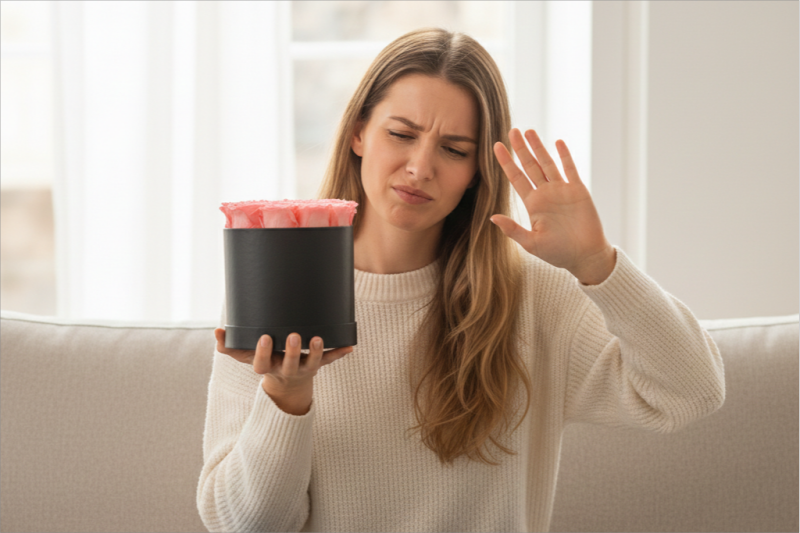
In online gift sales, especially on Amazon, product quality is judged long before a customer reads the description or checks the brand story. It is judged the moment the box is opened.
Over the years, I have spoken with many sellers who were confused by the same pattern. Their preserved rose gifts looked elegant, arrived undamaged, and matched the listing photos. Yet reviews mentioned disappointment, hesitation, or discomfort, often connected to one word: smell.
This article explains why preserved rose gifts can develop unpleasant or unexpected smells after shipping, how those smells impact customer perception, and what e-commerce sellers can do to prevent the issue without compromising design or branding.
If smell-related feedback is already appearing on your listings, or you want to prevent it before busy gifting seasons, you can contact us at inquiry@sweetie-group.com. We often help sellers identify odor risks early, before they affect performance.
Smell Is an Unspoken Quality Signal for Gift Buyers
When customers buy preserved rose gifts online, they are buying an experience, not just a product. They cannot touch the box or inspect the materials in advance. As a result, their senses fill in the gaps.
Smell plays a powerful role here. A clean, neutral scent reassures buyers. An unfamiliar or chemical-like smell creates doubt, even if nothing is visibly wrong.
Unlike visual issues, smell problems are difficult for sellers to predict from product photos or factory inspections. They usually appear after packaging, storage, and transportation have already taken place.
Why Preserved Rose Gifts Are Prone to Smell Issues
Preserved roses are stable products, but the systems around them are complex. Most smell complaints do not originate from the flowers themselves.
In practice, odor usually comes from a combination of factors:
- Materials used inside the gift box, such as foam supports or fabric linings
- Adhesives used to secure roses or decorations
- Printed or laminated packaging surfaces
- Sealed storage during shipping, which concentrates existing odors
What makes this more challenging for online sellers is that these smells may be mild during assembly but intensify over time. By the time the product reaches a customer, the odor can feel much stronger than expected.
The Difference Between Odor Control and Fragrance
Many sellers ask whether adding fragrance is the solution. In reality, fragrance and odor control are two very different things.
Odor control is about removing or reducing unwanted smells at their source. This involves material choices, adhesive systems, and packaging processes.
Fragrance, on the other hand, is a design decision. When used carefully, it can enhance the unboxing experience. When used to cover existing odor, it often creates mixed results that customers describe as artificial or overwhelming.
Successful brands separate these two steps. They first address unwanted smells, then decide whether a light scent fits their product and audience.
What Smells Work Best for Preserved Rose Gifts
In the gift category, subtlety matters more than intensity. Most customers do not expect preserved roses to smell strongly, but they do expect them to feel pleasant and intentional.
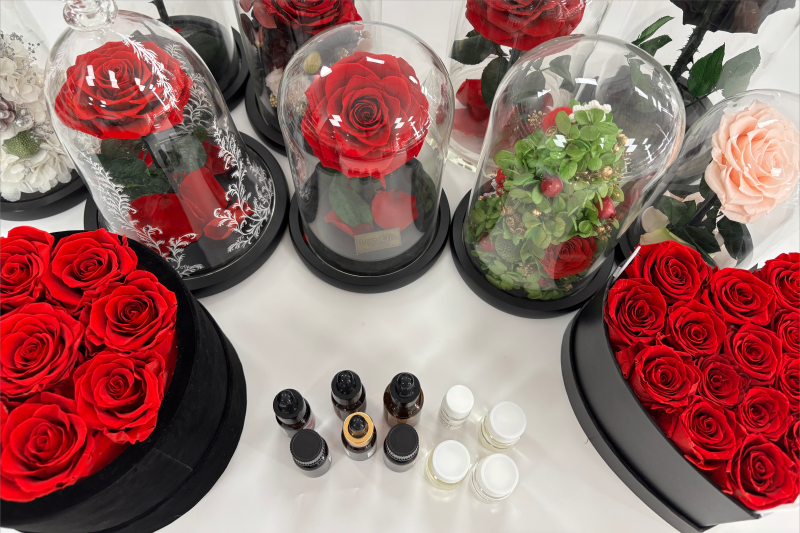
From our experience, the safest scent profiles for preserved rose gifts are:
- Clean and fresh notes that feel neutral and modern
- Soft floral tones that suggest roses without mimicking perfume
- Light herbal or calming scents associated with relaxation
Scents that often cause negative reactions include heavy perfume-style fragrances, overly sweet notes, or sharp citrus profiles. These tend to divide customers and generate inconsistent feedback.
For e-commerce sellers, offering fragrance-free options alongside lightly scented versions is often the most flexible strategy.
How Sweetie-Gifts Approaches Scent in Preserved Rose Packaging
At Sweetie-Gifts, we work with many brands whose products are sold entirely online. Our approach to scent is built around the realities of sealed shipping and long-distance logistics.
We focus on three priorities.
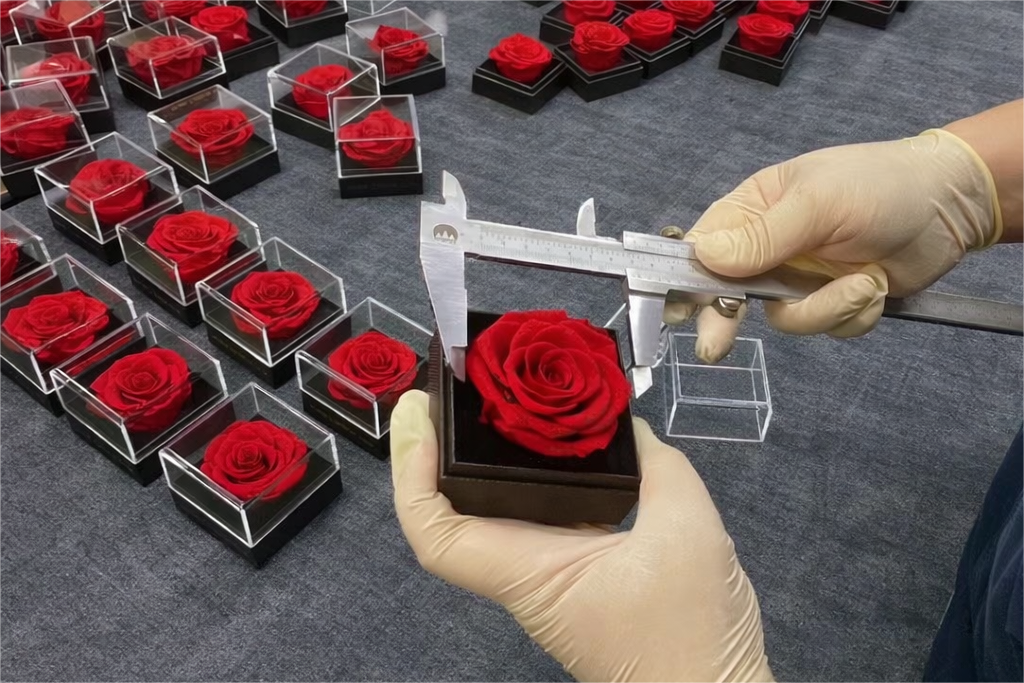
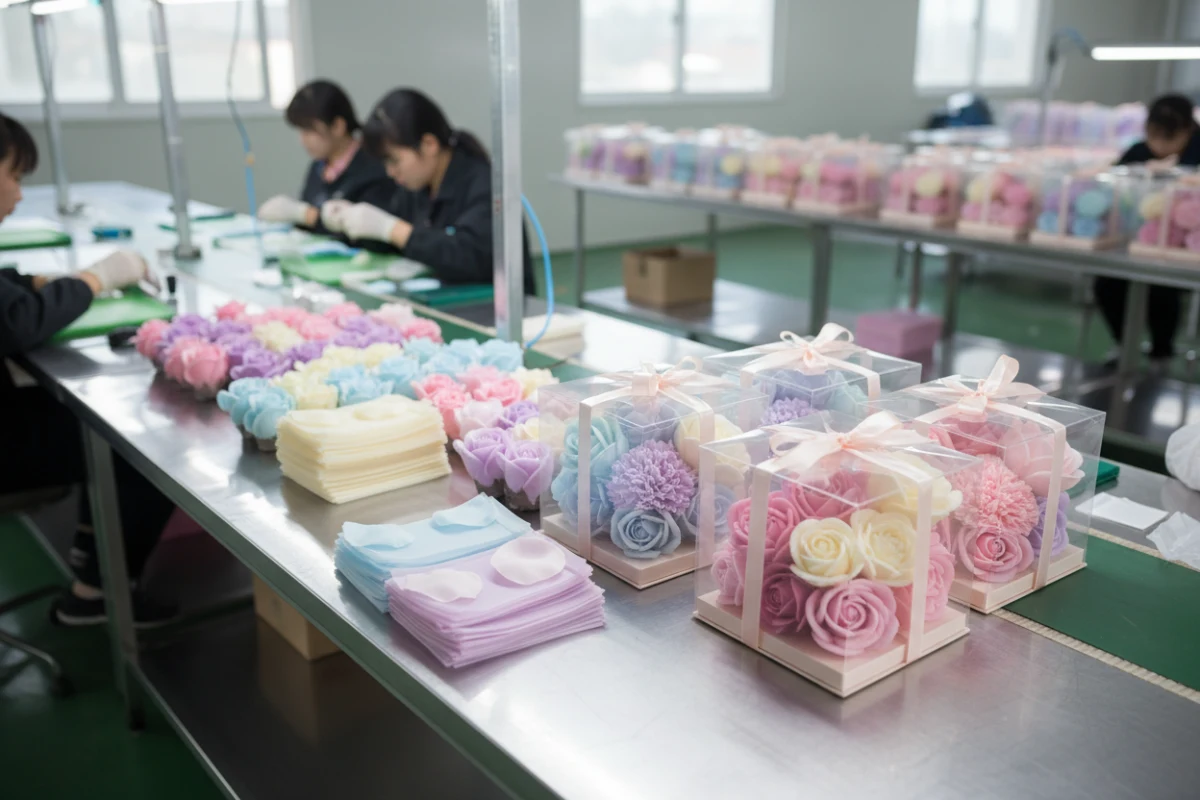
First, we reduce unwanted odors by selecting low-smell materials and appropriate adhesives, and by allowing sufficient stabilization time before packaging is sealed.
Second, we evaluate how packaging behaves during storage and transport. A box that looks perfect at the factory may behave very differently after weeks in transit.
Third, for brands that want fragrance, we provide controlled customization. This includes fragrance-free baselines and light, carefully balanced scent options designed specifically for preserved flower gifts.
If you are considering adding scent or adjusting your current packaging approach, you can contact us at inquiry@sweetie-group.com. We can help you evaluate options based on your target market and sales channel.
How Sellers Can Reduce Smell-Related Complaints Over Time
Preventing smell-related issues is not about quick fixes. It is about consistency and foresight.
Sellers who perform well in this category usually:
- Treat smell as part of product quality, not an afterthought
- Test packaging after storage and simulated shipping
- Avoid strong fragrance as a substitute for odor control
- Align scent choices with customer expectations, not personal preference
When these elements are addressed together, preserved rose gifts are far more likely to deliver a positive first impression.
Frequently Asked Questions
Do preserved roses normally have a scent?
Most preserved roses have little to no natural fragrance. Strong smells usually come from packaging materials or adhesives rather than the flowers.
Why do smell complaints appear even when products pass inspection?
Inspection often happens before long-term storage and shipping. Odors can intensify inside sealed packaging over time.
Is fragrance necessary for preserved rose gifts?
No. Many successful sellers offer fragrance-free versions. Light fragrance can be an option, but it should never be mandatory.
What causes a musty or damp smell?
This is typically related to moisture. Humidity during storage or insufficient drying before sealing can lead to this issue.
Can smell issues be fixed without redesigning the product?
In many cases, yes. Adjustments to materials, adhesives, or packaging processes can significantly reduce odor without changing the product’s appearance.
Closing Thoughts
In online gift sales, customers may not remember every detail of the packaging, but they remember how opening the box made them feel. Smell plays a quiet but decisive role in that moment.
If you want to reduce uncertainty, returns, and negative feedback related to scent, thoughtful packaging and scent management are worth the effort.
For questions about preserved rose packaging, scent options, or odor prevention strategies, feel free to reach out to us at inquiry@sweetie-group.com.
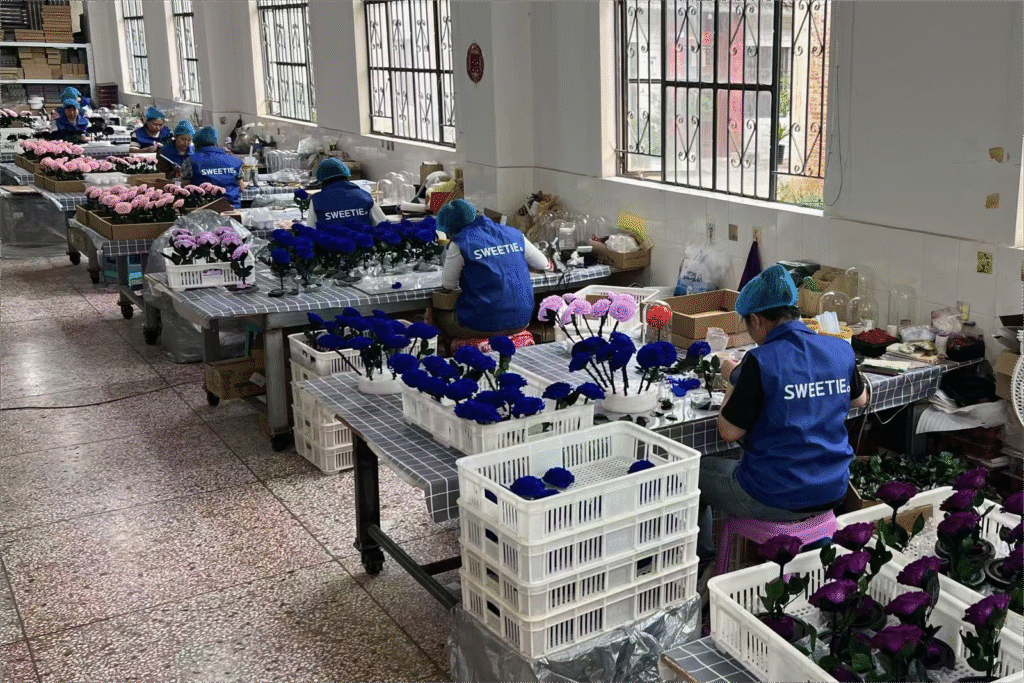
Annie Zhang, CEO of Sweetie Group