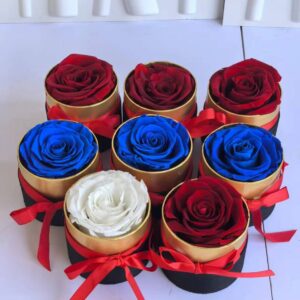
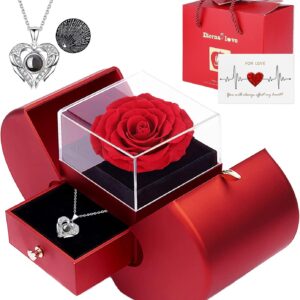
Decorative soap flowers are manufactured by blending starch and surfactant-based compounds into flexible sheets or molded blanks, precision-cutting and shaping realistic petals, and hand-assembling flower heads into finished gift bouquets under strict moisture and quality controls. This balanced combination of industrial forming and skilled handcrafting produces lifelike, fragrant floral gifts engineered specifically for bulk retail and decorative displays.
What Exactly Are Decorative Soap Flowers and How Do They Differ from Bath Soap?
Decorative soap flowers are engineered artificial floral items crafted from soap-based and starch-based composite compounds. Designed exclusively for visual aesthetics, home decor, seasonal gifting, and commercial floral arrangements, they must not be confused with functional personal care products.
In commercial supply chains, decorative soap flowers occupy a distinct category separate from traditional bath soap, artisanal carved soap bars, and conventional silk or plastic artificial flowers. Understanding these distinctions helps retail buyers, floral distributors, and corporate gift planners position their product lines effectively.
- Decorative Soap Flowers vs. Bath and Body Soap: Functional cleansing soaps are formulated to lather, cleanse skin, and meet strict cosmetic-grade regulatory standards. Decorative soap flowers are created for structural durability, visual realism, colorfastness, and long-lasting scent diffusion. They are not intended for bathing, handwashing, or skincare applications.
- Decorative Soap Flowers vs. Carved Soap Art: Carved soap gifts are produced by hand-chiseling solid bars of cold-process or melt-and-pour soap into decorative shapes. In contrast, factory-scale decorative soap flowers use thin, flexible petal sheets that are die-cut and layered around floral receptacles, mirroring real botanicals.
- Decorative Soap Flowers vs. Silk or Polyester Flowers: Fabric artificial botanicals often lack realistic tactile softness and do not carry an integrated fragrant aroma. Decorative soap flowers provide a delicate, matte texture with subtle fragrance infusion, providing a premium presentation at attractive commercial price points.
| Feature or Attribute | Decorative Soap Flowers | Traditional Bath Soap Bars | Hand-Carved Bar Soaps | Fabric or Plastic Faux Flowers |
|---|---|---|---|---|
| Primary Function | Gifting, visual display, retail decor | Personal cleansing, skincare | Artistic display, novelty gift | Long-term visual display |
| Manufacturing Method | Sheet extrusion, die-cutting, manual layering | Saponification, extrusion, bar pressing | Manual chiseling from solid cured blocks | Fabric stamping, heat-pressing, plastic molding |
| Structural Flexibility | Thin, flexible, pliable petals | Solid, rigid block | Rigid, fragile outer details | Rigid or stiff woven fabric |
| Scent Integration | Fragrance blended directly into petal base | Scent formulated for skin wash-off | Surface or internal soap fragrance | Unscented or surface-sprayed |
| Skin Application | Not intended for washing or skincare | Intended for direct skin use | Intended or secondary skin use | None |
At Sweetie, decorative soap flower gifts are engineered through our dedicated Yiwu manufacturing and supply base, catering to global B2B bulk orders, promotional campaigns, and custom OEM/ODM brand programs.
If you are planning an upcoming commercial campaign or exploring new SKUs for your catalog, reach out directly to sales@sweetie-group.com to request product specifications, samples, or custom project quotations.
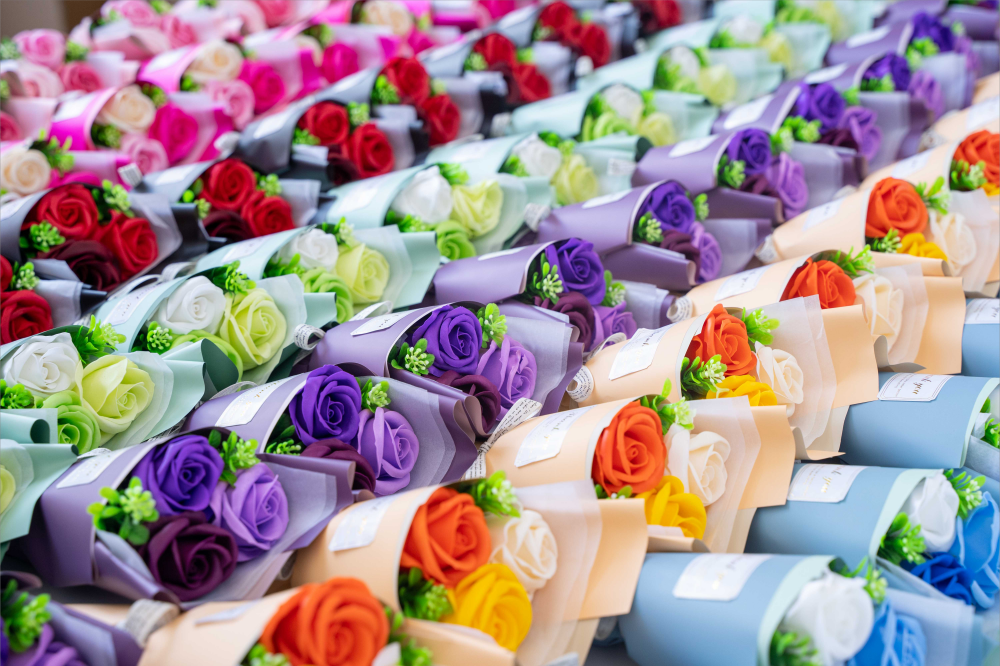
How Does the Factory Prepare and Formulate Raw Materials?
Commercial bulk decorative soap flower production begins in the material blending workshop. Achieving realistic petal flexibility, rich color depth, and lasting structural integrity requires a precisely balanced composite blend rather than basic bar soap stock.
While exact ingredient ratios vary depending on the specific floral SKU, flower style, and firmness requirements, standard commercial formulations incorporate several key ingredient groups:
- Polyvinyl Alcohol (PVA): Serves as a vital film-forming agent and structural binder, providing petals with elasticity, tear resistance, and tensile strength during shaping.
- Starch-Based Ingredients (e.g., Tapioca or Corn Starch): Imparts body, matte opacity, and a soft velvety texture that closely mimics living botanical petals.
- Surfactant-Based Ingredients (e.g., Sodium Lauryl Sulfate compounds): Contributes to compound cohesion and maintains uniform material plasticity during high-speed rolling operations.
- Glycerin and Plasticizers: Retains targeted internal moisture levels, preventing the cured sheets from turning brittle or cracking during die-cutting and folding.
- Industrial Colorants and Pigments: Dispersed uniformly into the slurry to create rich gradients, pastel tones, or vibrant seasonal shades that resist rapid fading under indoor retail lighting.
- Concentrated Fragrances: Added during low-temperature mixing to lock in pleasant floral, fruity, or signature aromas that diffuse steadily from finished displays.
During preparation, raw powders and liquid binders are loaded into industrial high-shear planetary mixers. The mixture is heated and agitated until it forms a uniform, lump-free paste. Viscosity, temperature, and dispersion rates are monitored constantly to ensure consistent batch-to-batch plasticity.
How Are Flexible Petal Sheets and Molded Substrates Produced?
Once the material paste achieves ideal homogeneity, the soap flower manufacturing process transitions to sheet forming or dimensional component molding. Two primary industrial techniques are employed depending on the flower anatomy and desired petal thickness:
1. Continuous Roller Extrusion for Petal Sheets
For multi-layered, delicate flowers like roses, carnations, peonies, and ranunculus, the compound is processed through industrial rolling and calendering machinery:
- Heated Calendering: The blended paste passes through a series of precision stainless steel rollers that compress the material into continuous, micro-thin sheets (typically ranging from 0.3 mm to 0.8 mm in thickness).
- Uniform Cooling and Curing: The extruded sheet moves along a temperature-controlled conveyor tunnel to set the binder, stabilizing its flexibility and surface texture.
- Batch Winding and Sheeting: The flexible film is cut into manageable sheet lengths or wound onto reels, protected by non-stick interleaving liners to prevent adhesion before die-cutting.
2. Injection and Molded Substrate Forming
For structural floral cores, solid buds, specialized center pistils, or thick-petaled varieties (such as mini succulents or dense flower hearts), factories utilize pneumatic injection or compressive molding:
- Semi-solid paste is injected into multi-cavity silicone or metal molds.
- The parts undergo controlled thermal setting, resulting in lightweight, impact-resistant structural components that serve as the foundation for complex flower heads.
How Are Petals Cut, Veined, and Curled into Natural Shapes?
Transforming flat, flexible sheets into botanical components requires precision tooling and mechanical shaping. The soap flower petal forming and assembly stage separates standardized material into distinct petal sizes, curvature profiles, and surface textures.
The mechanical transformation follows a four-step sequential workflow:
- Raw Sheet Stock Staging: Calendered sheets are inspected for uniform thickness and conditioned in climate-regulated buffer zones.
- Precision Multi-Tier Die-Cutting: Multi-blade hydraulic presses cut dozens of sheet layers simultaneously. Dies are engineered in graduated sets (including inner whorl, mid whorl, and outer guard petals) to ensure natural dimensional layering during assembly.
- Embossing and Micro-Veining: Cut petals pass through textured embossing rollers or heated stamping plates to impress delicate micro-veins and organic ridges onto the surface.
- Edge Fluting and Thermal Curling: Using heated shaping fixtures or rotary curling wheels, technicians impart outward flare, ruffled margins, and concave curves to the petals. This step ensures that once assembled, the bloom opens outward naturally rather than sitting flat.
How Do Factory Technicians Assemble Flower Heads by Hand?
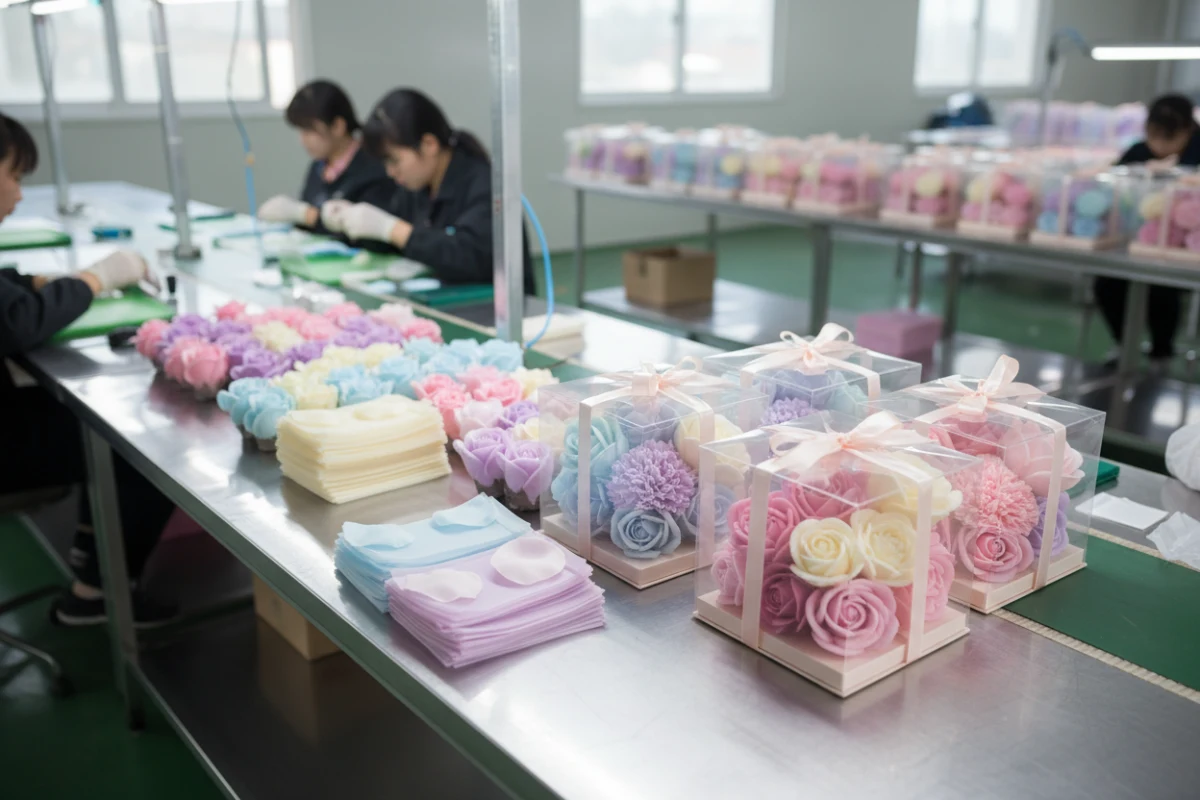
While material preparation and die-cutting benefit from automated machinery, assembling high-grade soap flower heads relies on skilled manual craftsmanship. Human dexterity is essential to achieve natural asymmetry, tight spiral centers, and realistic petal overlap.
The handcrafting sequence on the factory assembly line proceeds through distinct stages:
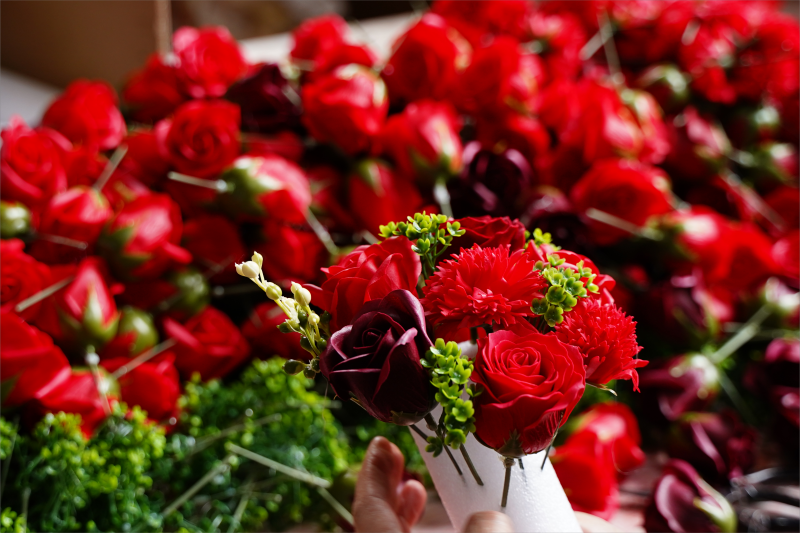
- Core Anchoring: A technician mounts a molded central bud or a wired floral stem into an assembly jig, providing a stable foundation for petal layering.
- Spiral Inner Petal Overlap: The smallest die-cut petals are wrapped tightly around the center to create a realistic bud heart. Petals are adhered using fine mists of structural binder, specialized floral adhesive, or thermo-compression.
- Progressive Layering: Technicians add intermediate and outer petal tiers, staggering each layer by 45 to 90 degrees to mimic natural phyllotaxis. Outer petals are gently flared backward to represent full bloom.
- Calyx and Receptacle Integration: An injection-molded green calyx (sepals) is seated beneath the bloom and locked in place with a stem plug or thermal pin, creating a clean, durable connection between flower head and floral stem.
How Are Finished Bouquets, Box Sets, and Gift Arrangements Constructed?
After flower heads pass initial batch inspections, they move to the bouquet and gift box finishing line. This phase transforms individual floral heads into commercial retail products tailored for wholesale catalogs, holiday promotions, and corporate gift distribution.
- Stem Insertion and Floral Wiring: Flower heads intended for handheld bouquets are fitted with coated iron wire or plastic stems, allowing floral artists to bend, group, and secure arrangements into balanced domes.
- Combination with Accent Elements: Bouquets are composed by pairing soap flowers with complementary decorative accents, such as faux greenery, dried baby’s breath, metallic picks, decorative ribbons, and branded wrap.
- Rigid Gift Box Assembly: For boxed presentations, soap flower heads are arranged inside premium cardboard, acrylic, or velvet-lined boxes. Stems may be trimmed flush, and heads are anchored into custom-cut EVA foam or cardboard trays to prevent shifting during transit.
- Multi-Piece Gift Set Integration: Soap flower arrangements are frequently paired with coordinated lifestyle items, including fragrance diffusers, greeting cards, plush toys, or thematic packaging sleeves.
Planning a custom gift line or catalog expansion? You can explore creative configurations, packaging formats, and seasonal concepts by testing Sweetie AI to match your target retail budget, sales channels, and product specifications.
What Factory Quality Control Measures Ensure Bulk Consistency?
Maintaining strict uniformity across thousands of master cartons requires continuous quality assurance throughout the soap flower manufacturing process. B2B importers rely on standardized factory inspections to prevent transit damage, color drift, and climatic deformation.
Critical Quality Control Checkpoints
- Moisture Balance and Plasticity Verification: Petals must maintain a specific internal moisture equilibrium. If moisture content is too high, petals become gummy; if too low, they turn brittle during shipping. Environmental chambers test finished blooms across varying humidity levels.
- Colorfastness and Batch Consistency: Optical color checks verify that dye batches match approved Pantone references and display consistent shades without blotching, bleeding, or premature fading under retail lighting.
- Structural Pull-Force Testing: Technicians perform pull tests on petal layers, calyx caps, and stem junctions to verify adhesive strength and ensure petals do not detach during shipping or consumer handling.
- Fragrance Retention Testing: Scented batches undergo olfactory longevity checks to ensure steady fragrance diffusion over prolonged shelf storage without breaking down petal binders.
- Drop and Vibration Packaging Tests: Master export cartons and retail gift boxes undergo standard ISTA drop and vibration simulations to verify that internal foam inserts and carton corrugation protect petal tips from crushing.
| Quality Parameter | Standard Inspection Method | Pass Criteria or Quality Target | B2B Risk Avoidance |
|---|---|---|---|
| Petal Flexibility | 180-degree manual bend and release test | Petal flexes smoothly without cracking or tearing | Eliminates transit brittleness in dry climates |
| Adhesive Bonding | Tensile pull-force check on outer petals | Minimum targeted retention force without detachment | Prevents petal shedding during retail handling |
| Dimensional Uniformity | Caliper check of flower diameter and height | Within plus or minus 3 mm of technical specification | Ensures consistent fit in rigid presentation boxes |
| Color Consistency | Standardized D65 light booth comparison | Delta E within approved master color sample limits | Prevents visible shade variations in bulk shipments |
| Export Packaging | 10-point drop test on master cartons | No structural collapse; internal bouquets undamaged | Reduces container shipping damage and return rates |
How Do Factories Balance Machine Automation and Handcrafting?
High-volume bulk decorative soap flower production requires an efficient division of labor between high-throughput machinery and skilled manual assembly. Machine automation delivers precision, speed, and dimensional consistency, while manual work provides the artistry, organic asymmetry, and delicate handling necessary for premium floral designs.
- Automated Stages: High-speed material blending, rolling, sheet thickness regulation, precision multi-die cutting, and injection molding of calyxes and structural components are largely automated. This guarantees identical petal dimensions, uniform material density, and rapid throughput.
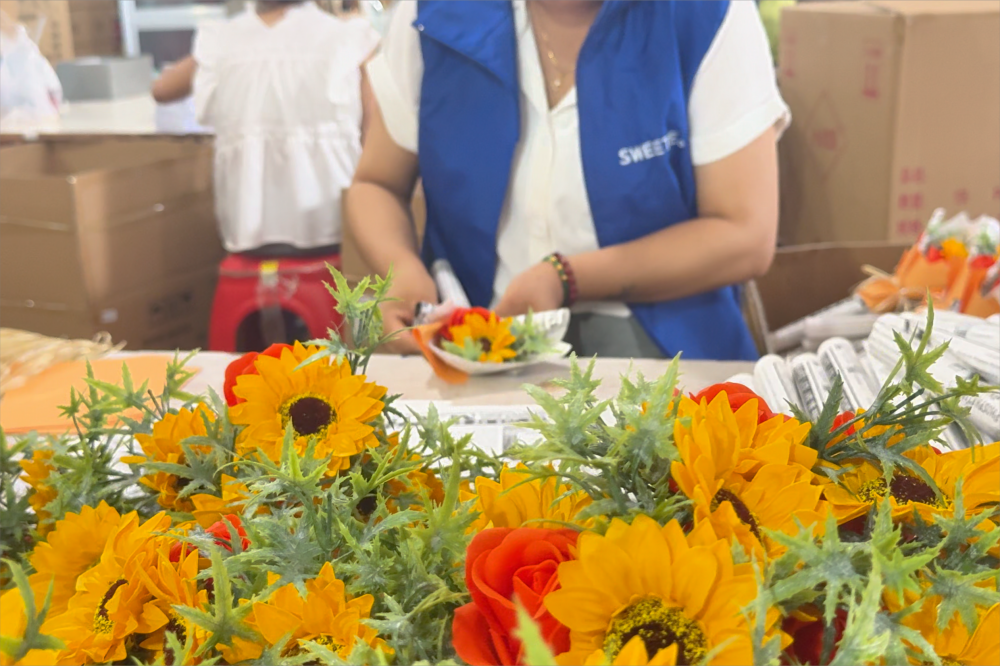
- Handcrafted Stages: Petal curling, spiral center formation, tiered layering, calyx fastening, and custom bouquet packaging rely entirely on trained assembly operators. Automated robotic arms lack the subtle tactile feedback required to adjust petal pressure without creasing soft soap material.
This hybrid manufacturing model allows an OEM soap flower bouquet factory to supply tens of thousands of uniform gift sets within tight production windows while maintaining the nuanced charm of artisanal floral arrangements.
What OEM and ODM Customization Options Are Available for Global Buyers?
Working with an integrated manufacturing partner allows corporate buyers, private label brands, and e-commerce merchants to customize every element of the decorative soap flower product line.
- Custom Flower Typologies and Morphologies: While classic roses and carnations remain core staples, factories can engineer custom tooling for peonies, hydrangeas, sunflowers, tulips, orchids, and seasonal specialty blooms.
- Pantone Color Matching: Custom compounding supports custom pastel gradients, metallic shimmer finishes, dual-tone petal marbling, and holiday-specific color palettes (such as Valentine’s reds, Mother’s Day pinks, and Christmas burgundies).
- Bespoke Fragrance Infusion: Importers can select from an extensive scent library including rose, lavender, jasmine, citrus, vanilla, or proprietary custom-blended fragrances formulated specifically for decorative soap bases.
- Packaging and Presentation Formats: Options include hot-stamped rigid gift boxes, transparent window display cartons, cylinder hat boxes, acrylic keepsake cases, branded satin ribbons, and retail-ready barcode labeling.
- Stem and Arrangement Layouts: From single long-stem boxed roses to elaborate 99-flower presentation bouquets, stems and arrangements are built to meet specific retail price points and shipping dimensional weight targets.
Developing a custom soap flower bouquet, gift box, or bulk program? Email inquiry@sweetie-group.com with your target market, quantity, budget, or product idea. Our team can help you review suitable options.
Frequently Asked Questions (FAQ)
How long do decorative soap flowers last in storage and retail display?
When stored in a cool, dry environment out of direct sunlight and high humidity, decorative soap flowers can maintain their shape, color, and fragrance for up to two to three years. Unlike natural preserved flowers, they do not decompose, shed pollen, or require watering.
Can decorative soap flowers be used as functional hand or bath soap?
No. Decorative soap flowers are formulated and manufactured exclusively as visual, fragrant floral displays and gift items. They are engineered for structural stability, petal flexibility, and aesthetic realism rather than personal hygiene, cosmetic use, or bathing.
What are the optimal shipping and storage conditions for bulk soap flower orders?
Bulk decorative soap flowers should be stored and shipped in temperature-controlled, dry environments with relative humidity levels between 40% and 65% and temperatures below 35 degrees Celsius (95 degrees Fahrenheit). Direct exposure to water, excessive moisture, or direct high-heat sunlight should be avoided to prevent petal softening or color fading.
What is the typical production lead time for an OEM soap flower order?
Production lead times typically depend on order volume, mold availability, and packaging complexity. Standard catalog SKUs generally require two to three weeks for bulk production, while custom OEM projects requiring new petal tooling or bespoke gift box printing typically range from three to five weeks.
How do factories prevent soap flower petals from breaking during international transit?
Factories protect soap flowers through a combination of plasticized raw material formulations that resist brittleness, custom-molded EVA or thermoformed plastic trays inside rigid gift boxes, moisture-barrier polybags, and heavy-duty double-wall corrugated master cartons engineered to withstand export compression.