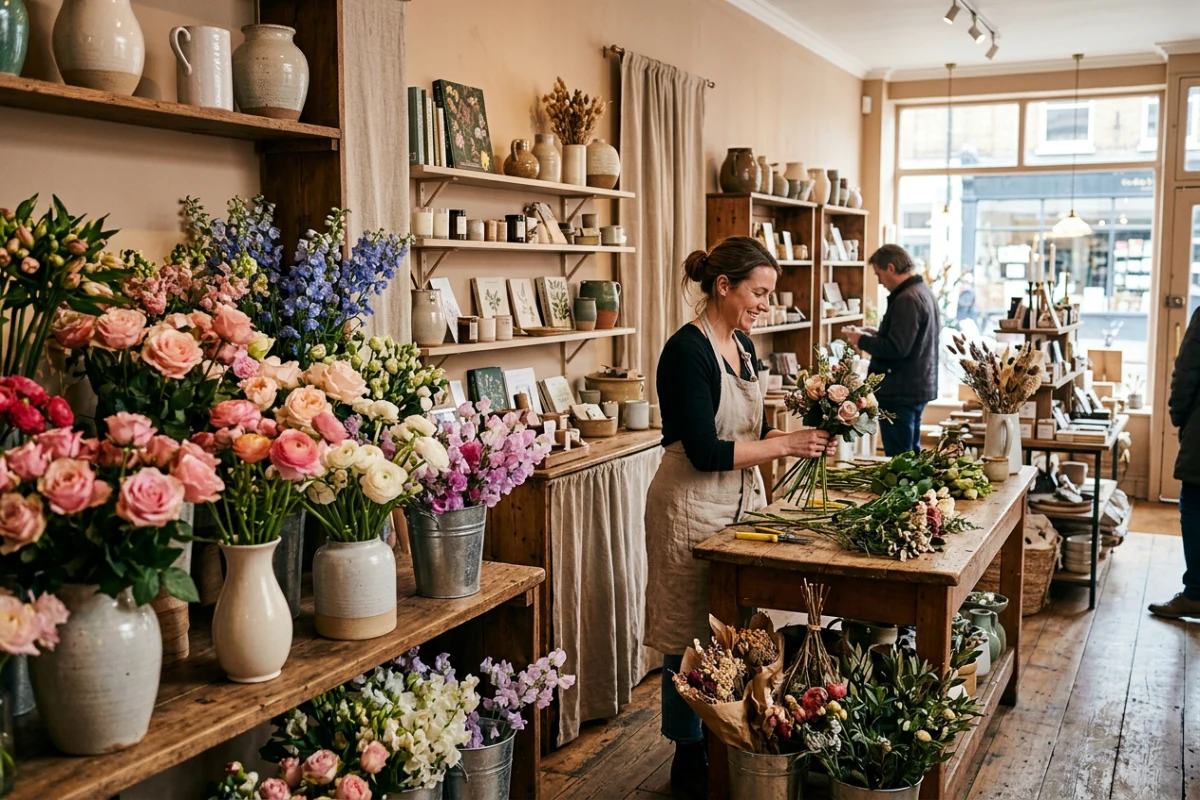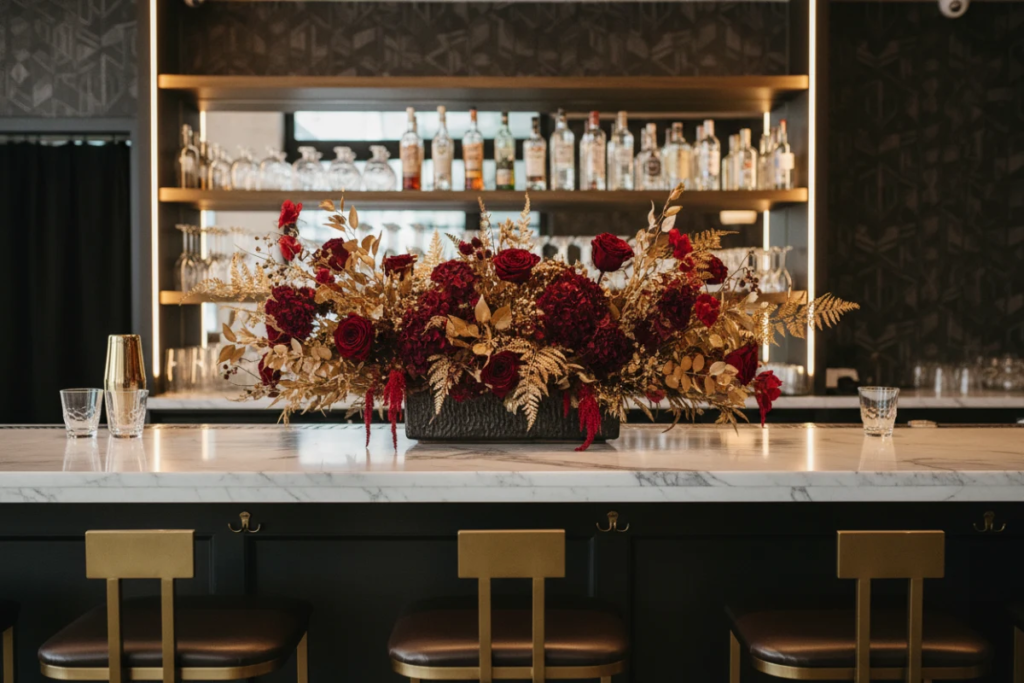
A floral installation can look beautiful at 6 p.m. and become a service problem by 8 p.m.
It may block a server’s path, take up too much table space, require more maintenance than expected, or look impressive in photos but have little connection to the dining experience.
That is why floral decor for pop-ups, themed nights and brand collaborations should not begin with one question: Which flowers look best?
A better question is:
What should the floral decor do for the guest, and how long does it need to do that job?
Experiential dining floral decor works best when the event purpose, location, duration, material and maintenance plan are considered together.
What Makes Experiential Dining Floral Decor Different?
Everyday restaurant flowers usually support the atmosphere. They might appear on dining tables, at reception or on a bar.
Experiential floral decor has a different job.
It may help introduce a restaurant pop-up, signal a seasonal campaign, create a photo moment, support a themed menu, distinguish a VIP area or connect a restaurant with a collaborating brand.
Typical projects include:
- Restaurant pop-ups
- Themed dining nights
- Seasonal campaigns
- Brand collaborations
- Product launches
- Private dining events
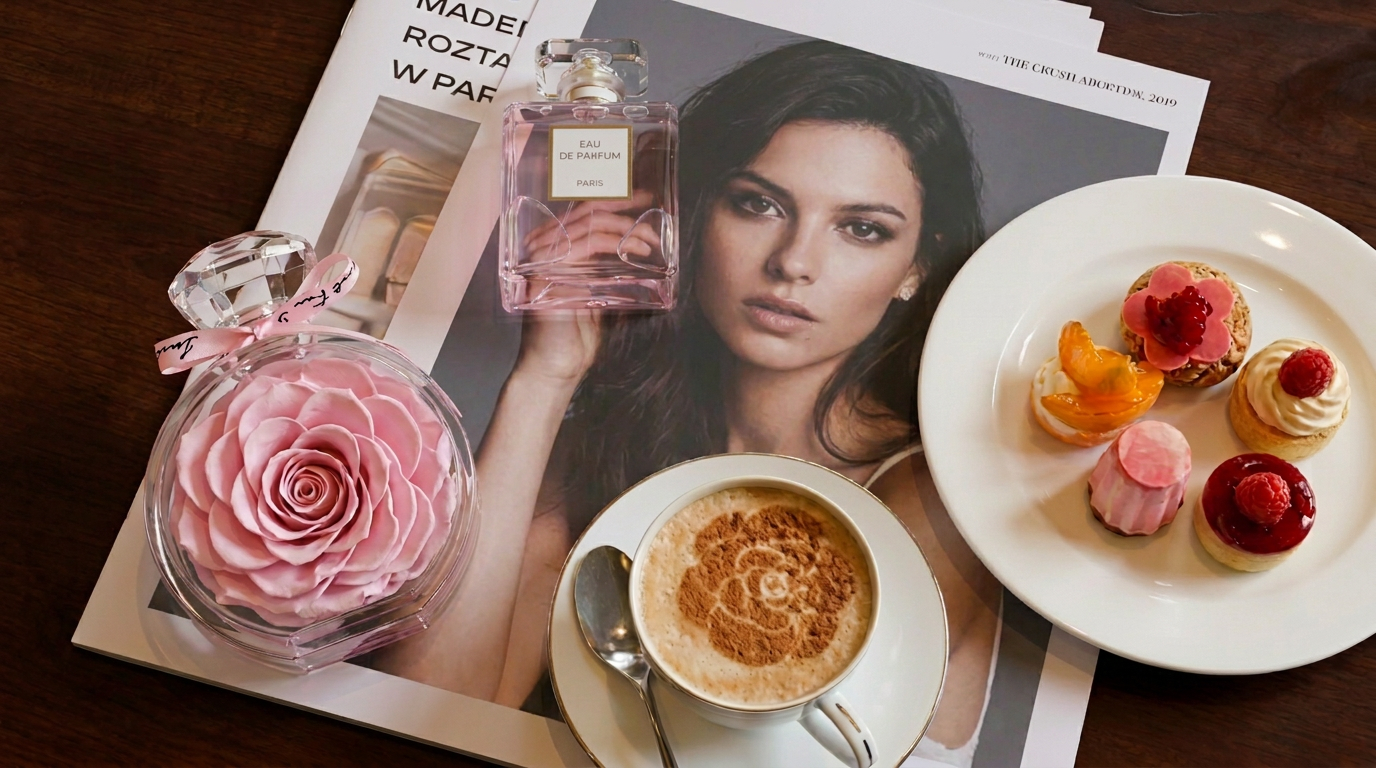
- Afternoon tea activations
- Proposal or anniversary experiences
These projects are often more visual and temporary than regular restaurant decor. That changes what restaurants should buy.
A three-night event and a three-month campaign should not be designed in the same way.
Start With Three Decisions: Purpose, Location and Duration
Before choosing flowers, answer three questions.
What should guests notice or do?
Is the floral decor meant to create a strong arrival moment?
Should guests photograph it?
Will it support the table setting?
Can guests touch it?
Will part of it become a gift or souvenir?
The answer determines how elaborate the floral element needs to be.
Where will it appear?
An entrance can support a larger installation. A dining table cannot.
A private dining room allows more detail than a busy service corridor. A covered indoor reception area has completely different environmental conditions from an outdoor terrace.
How long will it remain in use?
For a one-night event, appearance may matter more than long-term maintenance.
For a four-week campaign, cleaning, replacement and durability become more important.
For a recurring or multi-location concept, consistency, storage and reorder ability also enter the decision.
A simple rule is useful:
The longer the activation runs, the more important maintenance and reuse become.
Where Floral Decor Usually Has the Most Impact
Experiential dining does not require flowers in every corner.
In many projects, a few carefully chosen locations create more impact than decorating the entire restaurant.
Entrance and Reception
The entrance is one of the strongest places to communicate that something special is happening.
A seasonal floral structure, branded arrangement or themed installation can introduce the event before the guest sees the menu.
Large or longer-running installations often need more durable materials. Protected indoor reception areas can support more detailed arrangements, including fresh or preserved floral products.
Dining Tables
Table decor needs much more discipline.
Guests still need room for plates, glasses, menus and shared dishes. Staff also need to serve and reset the table efficiently.
For this reason, compact floral arrangements usually work better than dramatic pieces directly on dining tables.
Height, stability and cleanability matter as much as appearance.
Bar and Display Areas
Bars, dessert counters and product displays usually offer more vertical freedom.
They can support taller floral elements without interrupting conversation at the table.
The design still needs to protect working areas, glassware, food preparation zones and staff access.
Photo and Interaction Zones
A good photo area does not always require an entire flower wall.
A framed logo, sculptural floral element, decorated doorway or small themed installation can create a strong visual moment without overwhelming the restaurant.
For many venues, one memorable focal point is more useful than several average ones.
Choose the Material by Function, Not by Trend
There is no single best floral material for experiential dining.
Fresh, preserved, artificial, dried and fabric-based flowers solve different problems.
| Material | Often Best For | Main Strength | Main Limitation |
|---|---|---|---|
| Fresh flowers | Short premium events, fine dining tables | Natural appearance and seasonality | Frequent care and short display life |
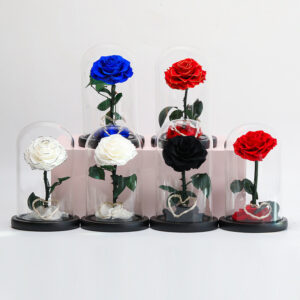
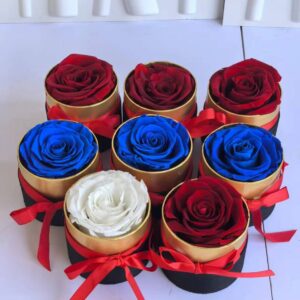
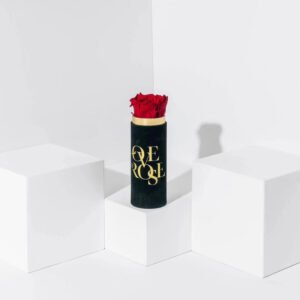
| Preserved flowers | Indoor reception, VIP areas, compact table decor, keepsakes | Natural floral material with no watering | Sensitive to humidity, sunlight and frequent handling |
| Artificial flowers | Large installations, entrances, ceilings, photo zones | Scale, reuse and seasonal flexibility | Quality varies considerably |
| Dried flowers | Natural, rustic or lifestyle concepts | Texture and distinctive appearance | Dust and brittleness |
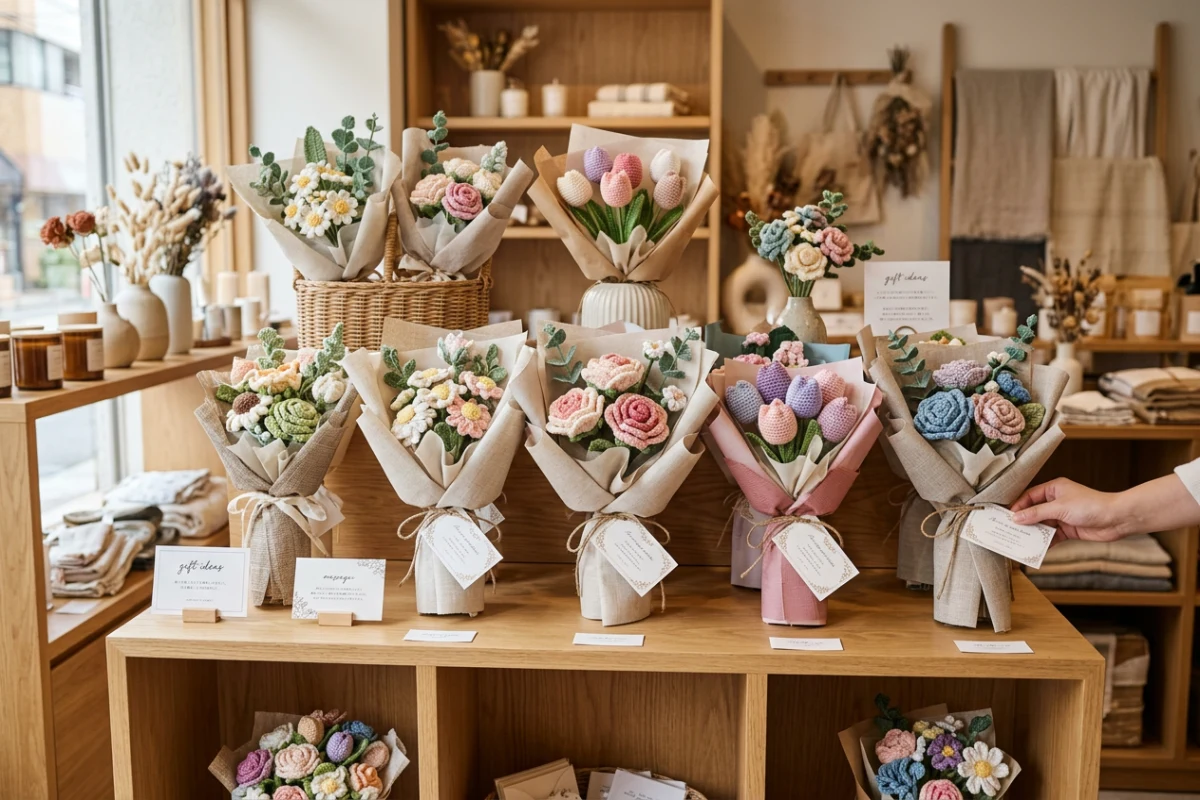
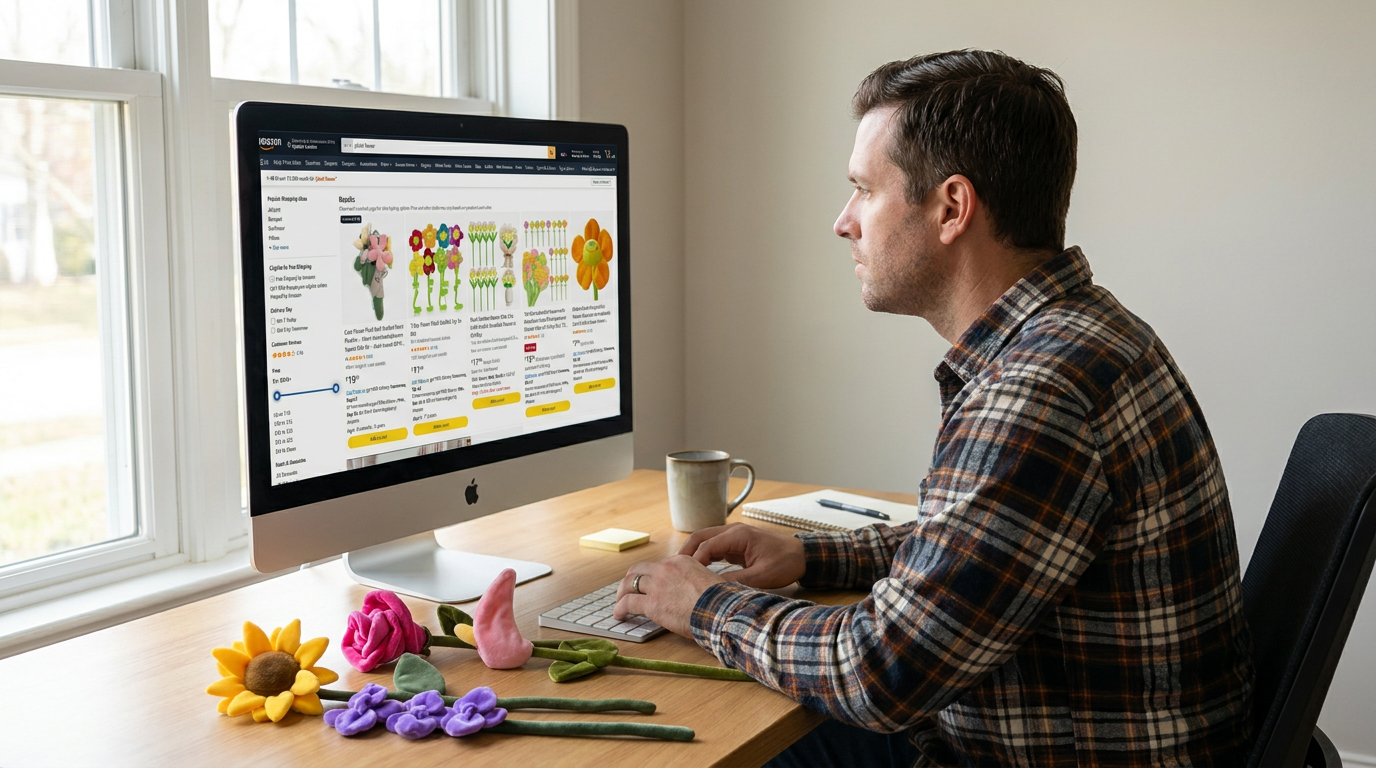
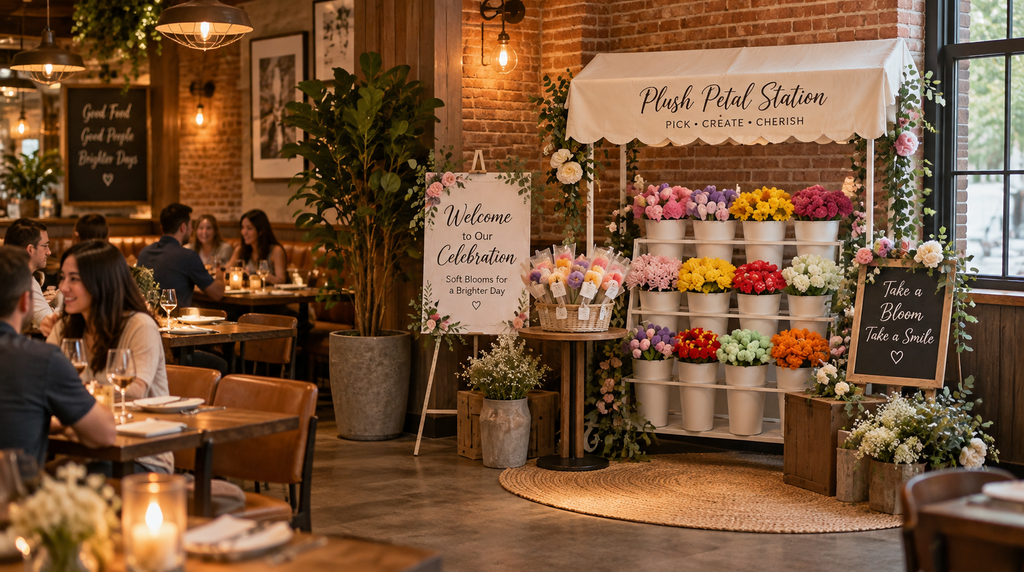
| Plush or fabric flowers | Pop-ups, themed cafés, interactive displays, souvenirs | Touchable and suitable for take-home formats | Cleaning and venue suitability require consideration |
The practical answer is often a mixed-material program.
Fresh flowers may work for an important VIP dinner. Preserved flowers may suit an indoor reception display or keepsake. Artificial flowers are often more practical for a large reusable structure. Plush or fabric flowers can make sense where the concept includes interaction or merchandise.
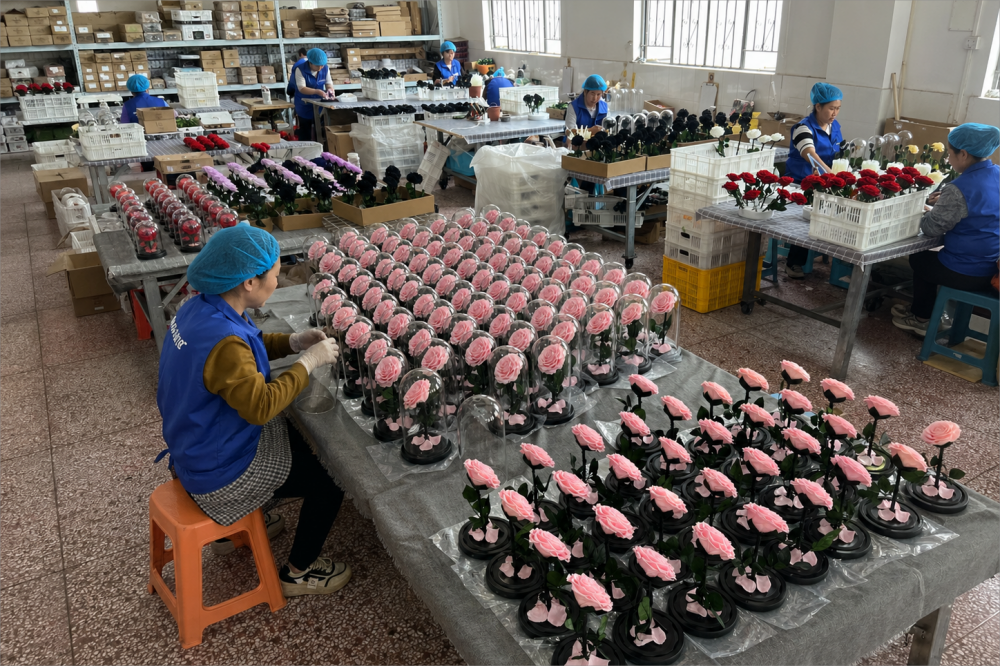
Sweetie’s own product development spans preserved floral products from its Kunming supply chain as well as plush, fabric and other floral gift formats supported through Yiwu, making multi-material OEM/ODM development possible when a project genuinely requires it.
If you are still comparing formats for a pop-up or themed event, Sweetie AI can help you explore product directions before preparing a detailed sourcing brief.
Planning an experiential dining project? Send your concept, target quantity and expected launch date to inquiry@sweetie-group.com. We can help you evaluate suitable floral product directions before sampling.
Design for Interaction, Photos and Take-Home Value
Flowers do not have to remain passive decoration.
In the right restaurant concept, they can become part of the guest experience.
A floral installation may attract attention at the entrance. A smaller detail can appear again on the table. A related floral product may then become something the guest takes home.
That creates three possible roles:
Decor → Interaction → Keepsake
Not every project needs all three.
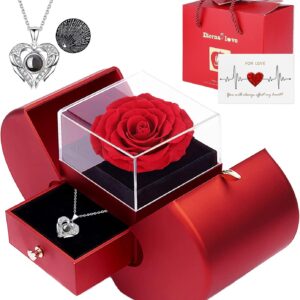
A fine-dining collaboration may only need elegant decor. A themed café may benefit from something guests can photograph and touch. A proposal or anniversary package may make more sense with a small preserved floral gift that the guest can keep.
Plush and fabric flowers are particularly interesting in this context. They are not a replacement for conventional restaurant flowers, but they can work in themed pop-ups, interactive displays and take-home concepts where a traditional centerpiece would not.
The important point is to decide whether the product is meant to be seen, touched, gifted or sold before it is developed.
Plan Cost, Reuse and Production Before Approving the Design
Floral project cost is not simply the price of the flowers.
A realistic restaurant activation may also involve:
materials + supporting structure + installation + maintenance + logistics + storage or removal
This becomes increasingly important as project size grows.
A reusable base structure with replaceable seasonal floral modules may cost more initially but make later campaigns easier to refresh.
Likewise, a small branded floral product can sometimes be updated through color, ribbon, sleeve or packaging changes instead of creating an entirely new design.
For custom projects, buyers should confirm several practical points before bulk production:
- Can a sample be approved first?
- Are colors and dimensions clearly specified?
- How will the product be packed for transport?
- Can damaged or worn components be reordered?
- What maintenance will staff need to perform?
- Can the design be reused in another campaign?
- Are there venue-specific safety or material requirements?
- How much time is required for sampling, production and shipping?
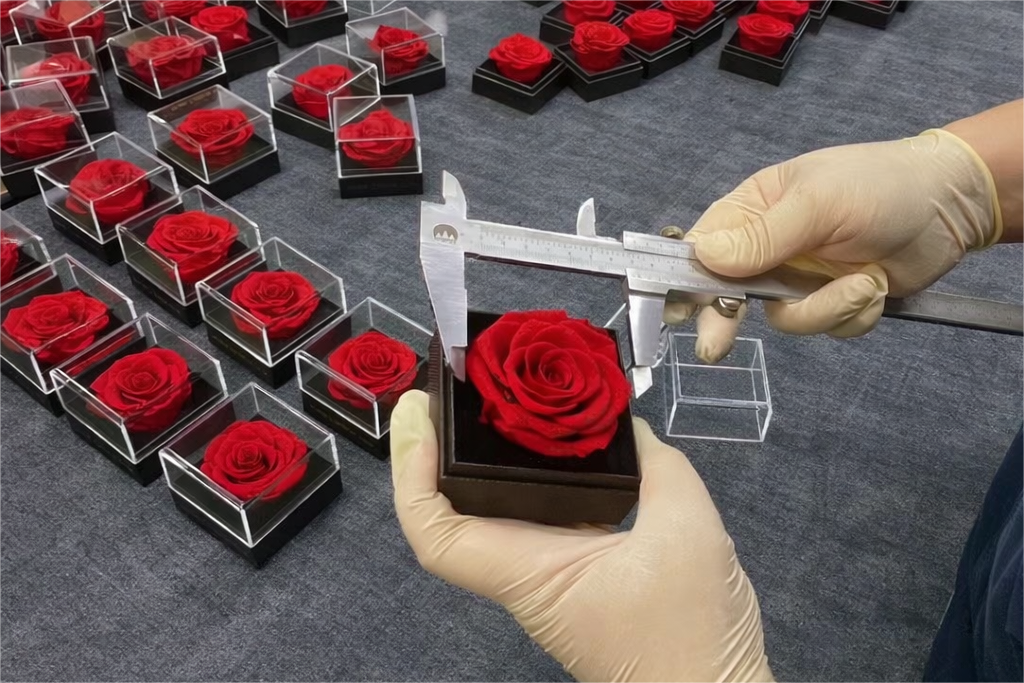
Packaging is especially important for preserved floral products because the flower heads should be protected from contact and movement during transport. Different structures, including open flower boxes, covered boxes and glass domes, require different fixation methods. Sweetie’s existing packaging systems use product-specific internal protection rather than one generic solution.
This is where an attractive concept becomes a workable commercial product.
When Floral Decor Is Not Worth the Investment
More floral decor does not automatically create a better guest experience.
A large installation may not be worthwhile when there is no clear event concept, the venue has no appropriate focal point, staff cannot maintain the display, or the decor interferes with normal service.
Material limitations also matter.
Preserved flowers, for example, are better suited to protected indoor conditions than humid, exposed or frequently touched areas. Artificial materials may be more practical for some large installations, but venue requirements and product specifications still need to be checked.
Sometimes a restaurant is better served by:
- One strong entrance element
- A restrained table detail
- A well-designed take-home floral item
rather than decorating the entire venue.
The goal is not maximum floral coverage.
It is maximum relevance to the experience.
Final Thoughts
The best experiential floral decor is not necessarily the biggest installation.
It is the one that fits the event, the space, the duration and the way guests actually use the restaurant.
Start with the guest experience. Decide where flowers can make a meaningful difference. Choose materials according to function, then plan maintenance, reuse, packaging and production before committing to the final design.
For custom restaurant floral products, guest keepsakes or OEM/ODM hospitality projects, contact inquiry@sweetie-group.com with your concept, target market, quantity and timeline.
Frequently Asked Questions
What floral materials work best for restaurant pop-ups?
It depends mainly on event duration and location. Fresh flowers can work well for short premium events, while artificial materials are often more practical for larger or reusable installations. Preserved flowers suit protected indoor displays and keepsake formats.
Are preserved flowers suitable for themed dining events?
Yes, when used indoors in suitable conditions. They are generally better for reception areas, private rooms, compact table arrangements and guest keepsakes than for exposed outdoor installations or humid areas.
Can restaurant floral decor be reused?
Yes. Reuse is easier when base structures, containers and floral modules are designed separately. Seasonal colors, accessories and smaller elements can then be updated without replacing the entire installation.
How early should restaurants plan custom floral products?
Projects involving custom colors, structures, branding or packaging need time for design, sampling, revisions, bulk production and shipping. Planning should begin well before the event date, especially for imported products.
Annie Zhang