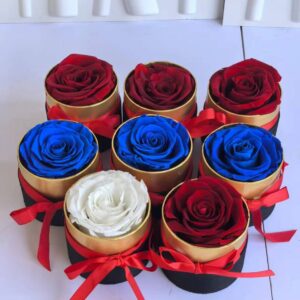
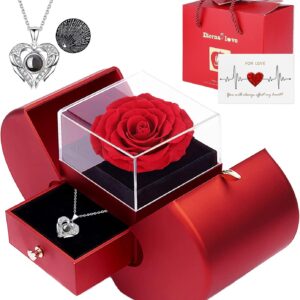
While global consumer demand for floral products remains fundamentally strong, routine purchasing has shifted heavily toward supermarkets and digital convenience channels. To restore store foot traffic and strengthen customer retention, an independent flower shop must move beyond convenience by offering bespoke floral styling, tactile discovery, personalized consultative services, and durable companion gifts such as premium plush flowers to transform occasional visitors into frequent everyday gift buyers.
Why Are Customers Still Buying Flowers but Visiting Independent Flower Shops Less Often?
Consumer floral purchasing behavior has undergone a profound structural shift over the past decade. Modern shoppers across North America, Europe, Australia, and East Asia purchase fresh flowers as frequently as ever, yet independent retail florists often observe a measurable decline in organic store walk-ins. The core driver behind this trend is channel divergence: flower demand is thriving, but retail convenience distribution captures routine transactional volume.
Supermarkets, grocery chains, and discount retailers have refined their cold-chain logistics, offering accessible mixed bouquets alongside weekly household groceries. Simultaneously, on-demand delivery apps and direct-to-consumer digital florists facilitate quick gift sending without requiring a physical shop visit. Consequently, buying fresh flowers no longer demands a dedicated trip to a local brick-and-mortar boutique. When consumers only associate an independent florist with high-cost holiday arrangements or formal funeral sprays, their visit frequency naturally drops to once or twice per year.
To reverse this pattern, independent florists must recognize that consumer indifference is rarely about flowers themselves; it is about the friction and perceived utility of making a dedicated retail stop. When everyday floral needs are met through routine errands, an independent storefront must offer distinct sensory, creative, and gifting reasons that mass-market aisles cannot replicate.
Why Competing on Convenience Fails Independent Florists and What Works Instead
Independent florists cannot win a direct price or convenience battle against large-scale supermarket chains and algorithmic delivery platforms. Supermarkets leverage centralized purchasing power, massive foot traffic economies, and lower target profit margins on perishable inventory to offer low-cost stems. Attempting to match supermarket bundle pricing or competing purely on rapid grab-and-go proximity erodes gross margins and fails to leverage florist craftsmanship.
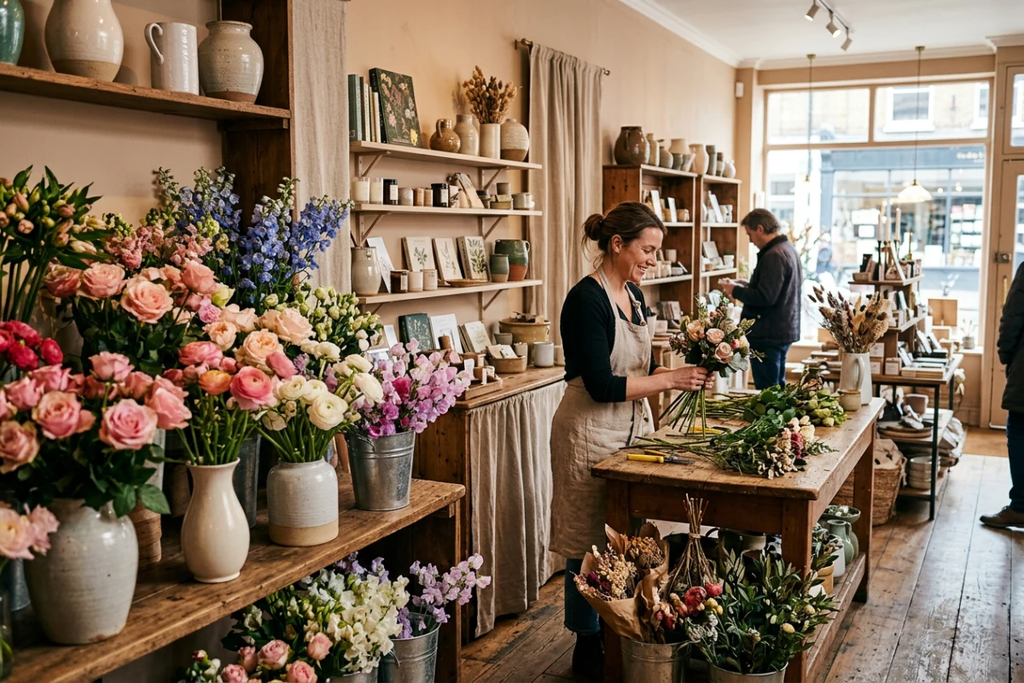
Instead, independent florists succeed by cultivating a distinct value proposition rooted in creative authority, tactile curation, and personalized gifting advice. Where supermarket floral sections are self-service and transactional, an independent boutique offers interactive consultation, storytelling, tailored stem combinations, and specialized packaging that elevates a simple floral purchase into an emotional gift.
| Retail Dimension | Mass-Market Supermarket Florals | Independent Boutique Florist |
|---|---|---|
| Core Customer Motivation | Routine impulse, household decor, convenience | Thoughtful gifting, self-expression, celebration |
| Merchandising Model | Pre-packaged, uniform, self-service wraps | Customized arrangements, curated stems, discovery displays |
| Perishable Risk Tolerance | High volume absorbs baseline shrinkage | Shrinkage directly damages net operating margins |
| Consultative Value | Non-existent; unassisted retail checkout | Bespoke styling, floral care education, gift guidance |
| Product Assortment Scope | Monocultural stems, standardized mixed bunches | Artisanal blooms, design accessories, companion gifts |
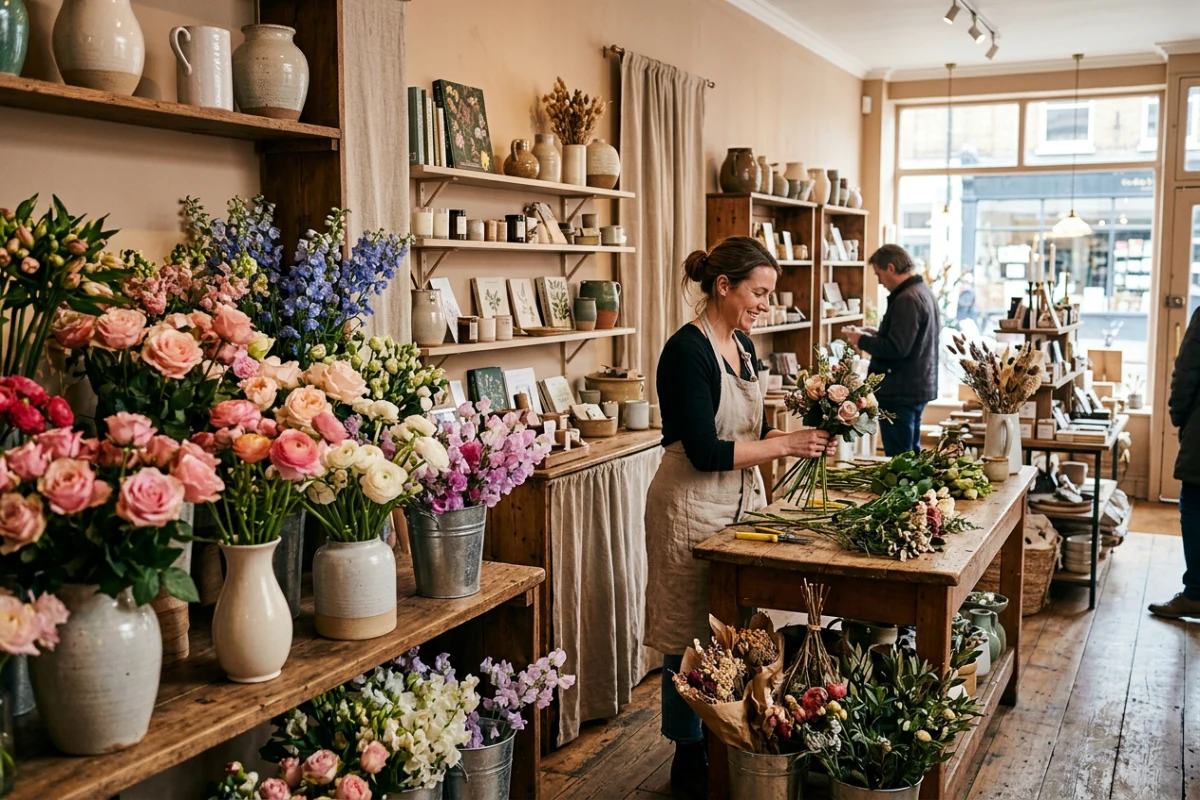
Rather than stocking commodity bundles, independent retailers build enduring foot traffic by providing an atmosphere that rewards physical exploration. Customers visit specialized shops when they know the experience offers expert curation, aesthetic inspiration, and unique items that digital aggregators and grocery aisles do not stock.
How Can Florists Build Year-Round Foot Traffic Beyond Major Calendar Holidays?
Holiday compression is one of the most critical operational challenges facing the modern floral retailer. Traditional florist revenue models rely heavily on high-stress peaks like Valentine’s Day, Mother’s Day, and Christmas, followed by prolonged periods of soft weekday foot traffic. Overcoming this cycle requires expanding your retail identity from an occasional events florist into an accessible, everyday gifting destination.
Shifting customer perception begins with intentional merchandising and occasion mapping. Florists can capture routine visits by developing gift concepts for smaller, non-calendar moments: personal thank-yous, workplace congratulations, housewarming tokens, children’s milestones, and self-reward purchases. These lower-friction purchase triggers give shoppers a reason to visit your store throughout ordinary business weeks.
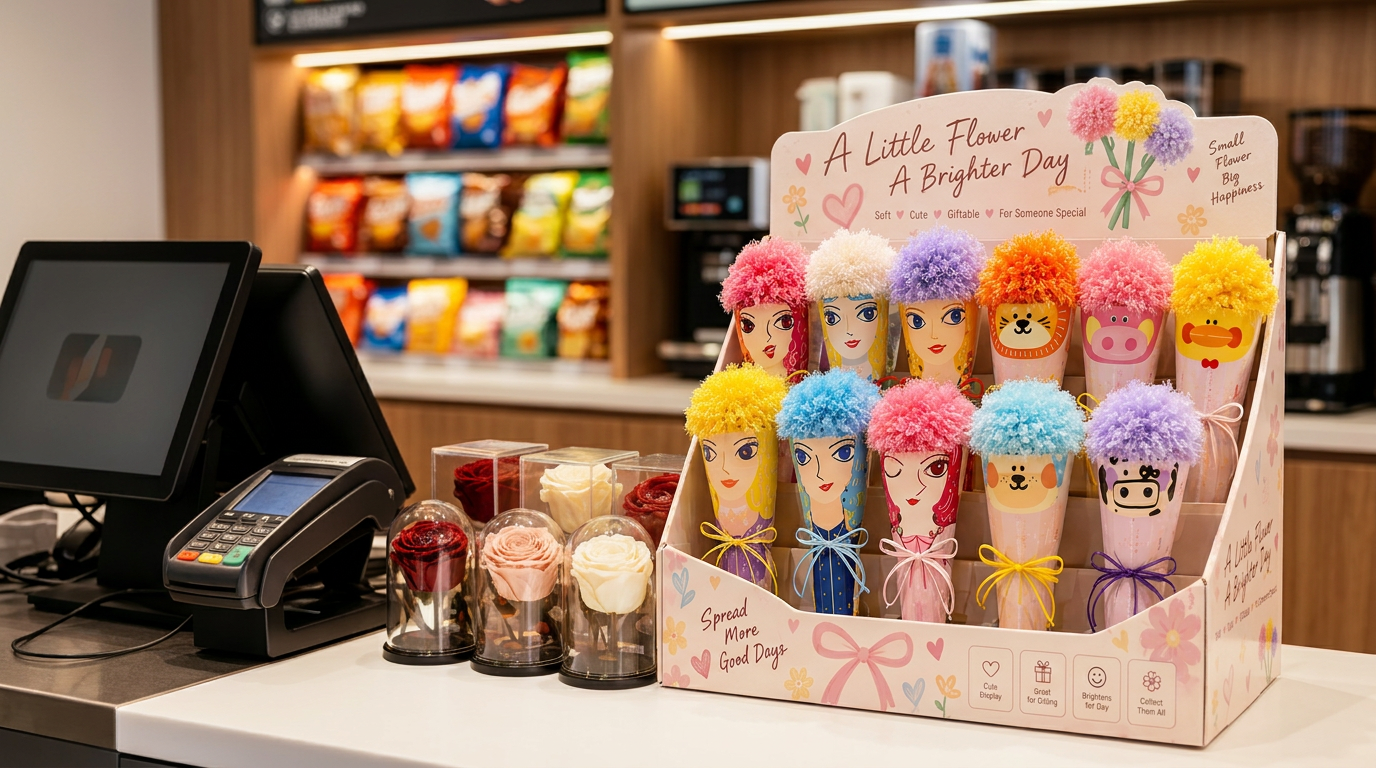
- Micro-Occasion Displays: Position pre-styled gift combinations at varied price tiers near the checkout area to facilitate fast decision-making for impromptu celebrations.
- Interactive Design Workshops: Host regular evening floral workshops, botanical styling classes, or seasonal wreath sessions to convert local residents into familiar brand advocates.
- Subscription and Refill Programs: Provide vase-swap arrangements or dry-stem styling updates that encourage bi-weekly or monthly in-person shop visits.
- Collaborative Cross-Merchandising: Partner with regional ceramicists, perfumers, and artisanal makers to position your retail space as a curated local design hub.
By diversifying purchase triggers, florists establish recurring touchpoints with their community, substantially lifting florist customer retention across all four quarters of the year.
Why Strategic Floral Gift Assortment Reduces Perishable Waste and Drives Margins
One of the most persistent threats to independent floral profitability is perishable inventory loss (shrinkage). Fresh-cut flowers carry strict shelf-life limitations, requiring daily maintenance, water conditioning, and temperature-controlled storage. During low-traffic weeks, unsold fresh inventory quickly translates into discarded stock and lost working capital.
Integrating non-perishable and semi-perishable gift categories into your core floral gift assortment provides vital financial stabilization. By surrounding fresh floral displays with durable, design-led gift objects, florists protect their baseline revenue against unexpected foot traffic slumps. Non-perishable lines hold their inventory value over months rather than days, generating steady cash flow without the pressure of imminent spoilage.
Strategic gift categories complement fresh cut stems rather than detracting from them. Thoughtfully selected companion items—such as high-end ceramic vessels, botanical fragrances, bespoke cards, and tactile plush flowers—raise average order values through effortless cross-selling. If a customer is hesitant to invest in an expensive fresh arrangement that will wilt in a week, having long-lasting floral alternatives ensures the sale remains within your boutique rather than being lost entirely.
Retailers interested in testing high-margin, low-perishability gift categories across their physical stores can review curated design collections or request wholesale samples directly by emailing inquiry@sweetie-group.com for comprehensive catalog support.
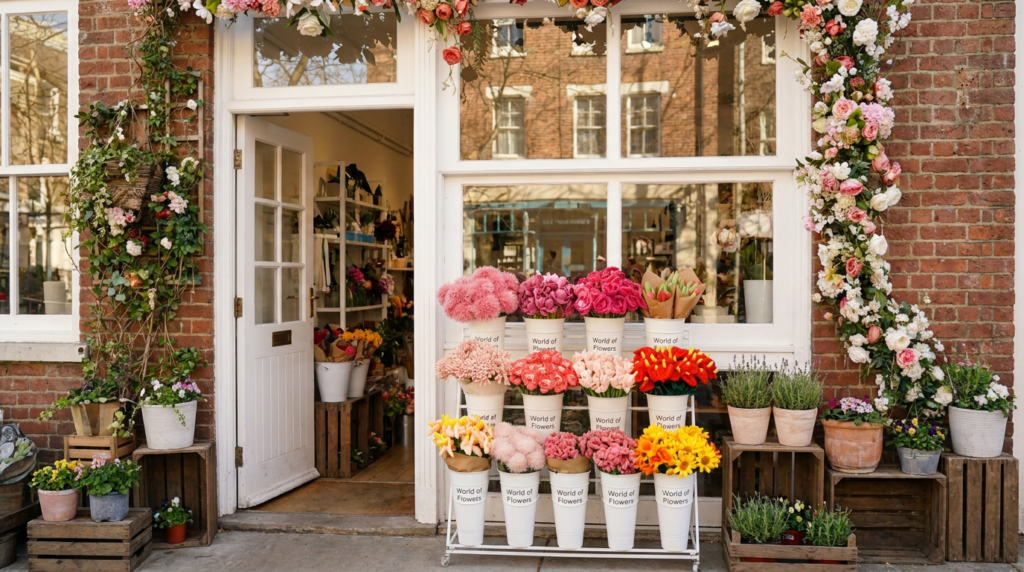
How Do Plush Flowers for Flower Shops Fit into a Modern Retail Gifting Strategy?
Within the broader strategy of non-perishable gift expansion, plush flowers for flower shops have emerged as an exceptionally versatile, design-forward category. However, it is essential to establish practical retail expectations: plush floral stems do not replace fresh botanical arrangements, nor can any single product category single-handedly solve retail foot traffic challenges. Instead, they serve as a high-margin, highly expressive tactile extension to your store’s existing lineup.
Plush flowers solve specific retail dilemmas by providing zero-shrinkage inventory that appeals across diverse demographics, from Gen-Z shoppers seeking playful aesthetic gifts to grandparents looking for enduring, allergy-safe floral tokens for children. When displayed alongside fresh and dried blooms, plush flowers introduce an element of visual whimsy and tactile curiosity that draws street-level window shoppers into the store.
- Add-on Bouquet Accents: Single plush stems can be bound directly into fresh or dried arrangements to create multi-textured, memorable focal points.
- Permanent Keepsake Value: Customers frequently purchase plush stems as long-lasting keepsakes accompanying fresh flowers, ensuring a tangible reminder of the gift remains after the cut stems expire.
- Accessible Price Point Entry: Smaller plush blooms serve as low-barrier impulse purchases for younger shoppers who may not currently have the budget for a custom fresh floral arrangement.
- Zero Perishability: Unsold seasonal or everyday plush inventory requires no hydration, produces no organic waste, and retains full retail value across multiple merchandising cycles.
When incorporated thoughtfully into your retail visual merchandising, plush floral products stimulate tactile engagement and give customers a unique, shareable reason to browse in person.
How Should Independent Florists Test and Measure New Non-Perishable Gift Lines?
Introducing new product categories into an independent flower shop should always follow a structured, low-risk testing methodology. Rather than committing extensive capital to unverified inventory, florists should pilot small, curated product batches and systematically monitor core retail performance indicators.
To ensure a new gift category genuinely strengthens your store’s commercial health without cluttering valuable floor space, track the following five performance metrics across a 60-to-90-day trial period:
- Sell-Through Rate: Measure the percentage of units sold against the total units ordered within specific time windows (e.g., 30, 60, and 90 days). A healthy trial line should demonstrate steady movement without heavy markdowns.
- Attach Rate (Add-on Frequency): Calculate how frequently the non-perishable gift item is purchased alongside fresh floral arrangements or greeting cards versus being bought as a standalone item.
- Average Basket Value Impact: Compare the total transaction value of purchases that include the new gift category against historical baseline transaction averages to evaluate gross margin expansion.
- Stock Age and Holding Cost: Monitor how long items remain on displays. Unlike perishable blooms that decay, durable gifts must still turn over regularly to keep visual merchandising fresh and exciting.
- Repeat Gifting Inquiries: Pay close attention to qualitative customer feedback, such as whether shoppers return specifically seeking additional character stems, seasonal variations, or complementary colorways.
Tracking these retail metrics enables store owners to make informed inventory decisions, eliminating underperforming items while scaling up the styles and color palettes that resonate most with their local customer base.
How Can Retailers Build Custom Gift Programs with Sweetie B2B Manufacturing?
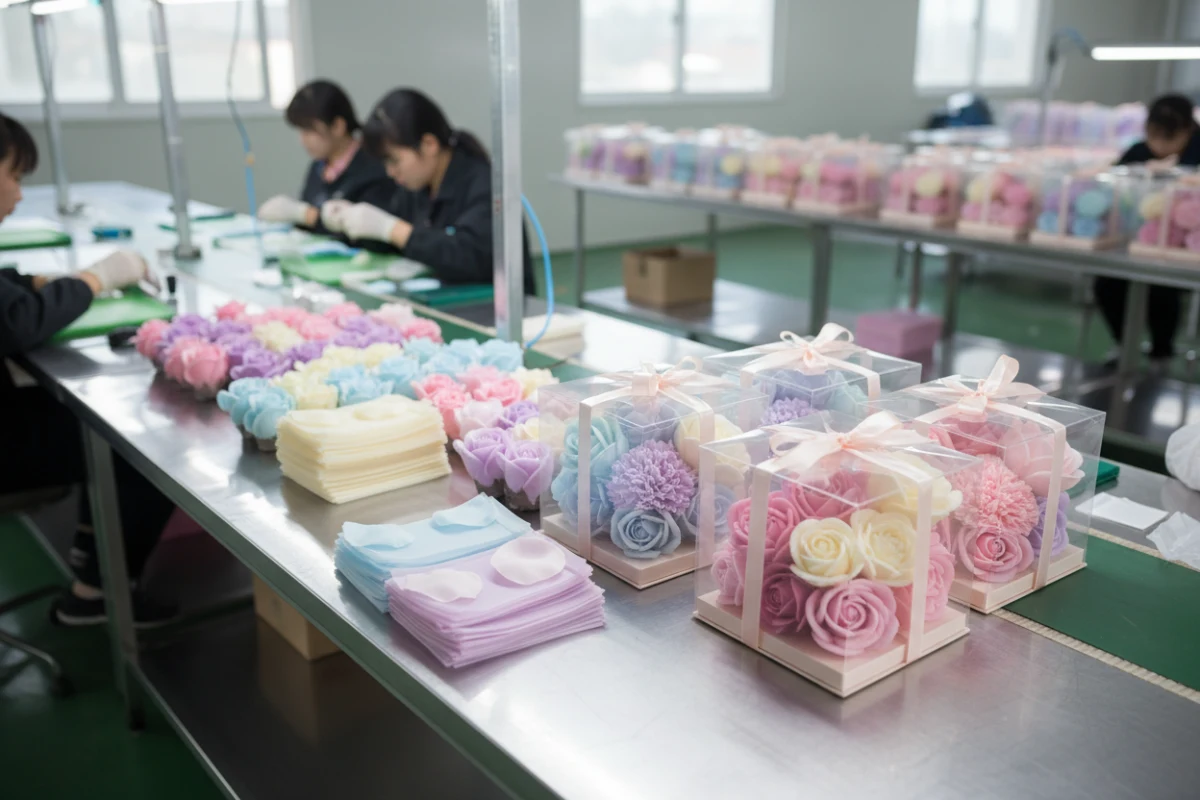
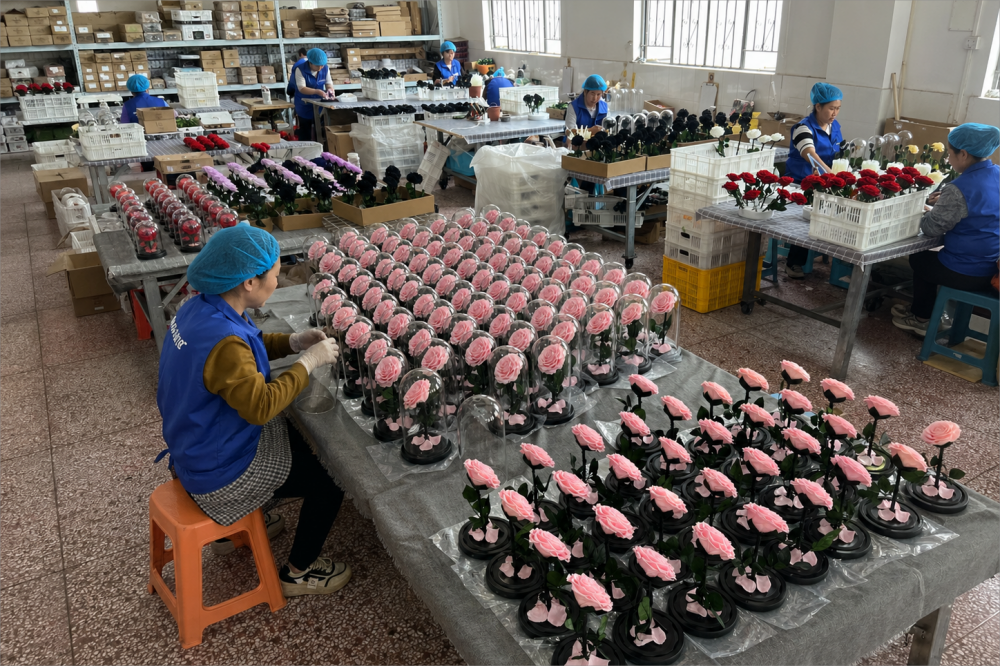
Developing an appealing, differentiated retail gift selection requires a reliable supply chain partner capable of delivering consistent quality, modern aesthetics, and flexible order volumes. At Sweetie-Group, we draw upon extensive manufacturing and product development expertise across diverse floral gift categories, plush floral novelties, and bespoke seasonal merchandise designed specifically for independent florists, retail networks, and regional distributors worldwide.
Our end-to-end B2B solutions encompass comprehensive OEM and ODM capabilities, enabling retailers to develop exclusive color palettes, private-label packaging, and custom-designed floral gift collections that align precisely with regional consumer tastes across European, North American, Australasian, Middle Eastern, and East Asian markets. Whether your business requires small-batch trial assortments to test local demand or large-scale private manufacturing, our design and production teams support you through every stage of development.
To simplify assortment planning, retailers can leverage the Sweetie AI Product Selection Platform to analyze channel-specific product configurations and generate optimized merchandising selections for their retail footprint. For direct inquiries regarding trial orders, custom packaging specifications, or material samples, contact our dedicated B2B team at inquiry@sweetie-group.com to discuss tailored sourcing solutions.
Frequently Asked Questions About Florist Customer Retention
Why are consumers buying more flowers from supermarkets rather than local flower shops?
Supermarkets have significantly upgraded the quality and cold-chain handling of their floral departments, allowing shoppers to purchase affordable fresh bouquets during their weekly grocery routines. Because these channels fulfill basic decorative needs with zero additional travel friction, independent florists must distinguish their businesses through expert bespoke design, distinct companion gifts, exceptional customer service, and an inspiring physical store environment.
Will adding non-perishable items like plush flowers cannibalize my fresh flower sales?
No, non-perishable gift items typically act as companion purchases or entry-level products rather than direct replacements for fresh cut blooms. In retail practice, customers frequently add plush stems or unique keepsake gifts directly into fresh arrangements to create a memorable multi-textured presentation, lifting the overall transaction value while leaving fresh stem volume intact.
What is a realistic trial budget for an independent florist testing a new gift category?
Most independent florists can effectively pilot a new gift line with a modest opening investment of 300to800. This budget allows you to merchandise a varied selection of complementary styles, test multiple visual placement areas across your store, and measure customer sell-through rates accurately before committing to deeper inventory replenishment.
How can I improve my flower shop foot traffic during the middle of the week?
To boost weekday walk-ins, create compelling everyday micro-gifting options, such as self-care desk bunches, curated teacher appreciation sets, and personalized grab-and-go gifts. Promoting mid-week in-store promotions, botanical styling workshops, or exclusive gift additions also gives local neighborhood shoppers a clear incentive to visit your storefront outside of major holidays.