Fragrance brands can turn scent notes into custom launch gifts by mapping olfactory pyramids to complementary botanical textures and colors, tailoring structural packaging across gift-with-purchase (GWP), PR mailers, and VIP tiers, and rigorously testing material stability and odor compatibility during the sampling stage. Aligning physical gift presentation with olfactory storytelling creates a coherent brand experience that protects delicate bottles and elevates unboxing engagement.
How Do You Translate Fragrance Notes and Brand Identity into Tangible Gift Elements?
Translating an invisible sensory experience into a physical gift requires a systematic approach to visual, tactile, and structural design. When developing custom fragrance launch gifts, packaging engineers and brand managers must decode the perfume pyramid, extracting the emotional, visual, and physical cues of top, heart, and base notes to select matching physical materials and botanical elements.
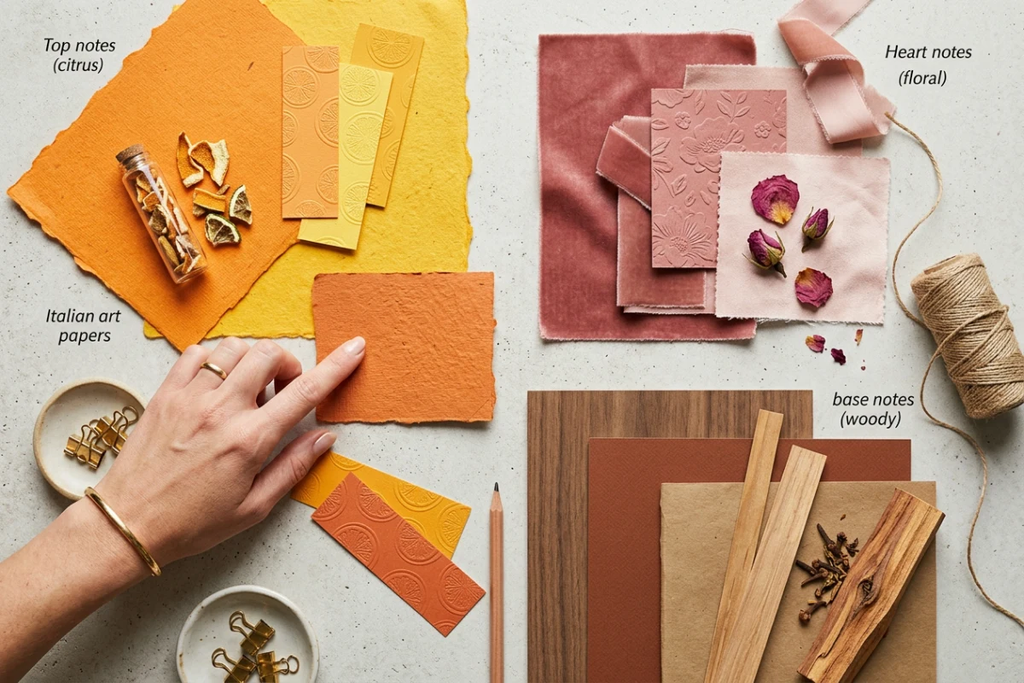
Top notes represent the initial burst of fragrance experienced upon application. These are typically characterized by bright citrus, crisp greens, light aromatics, or effervescent aquatic accords. In physical gift development, top notes translate into lightweight textures, satin or organza ribbons, sheer tissue overlays, pearlescent paper stocks, and light, airy floral accents such as dried gypsophila, bleached ruscus, or delicate preserved baby’s breath. These elements evoke freshness, volatility, and lightness, preparing the recipient for the deeper olfactory journey inside the box.
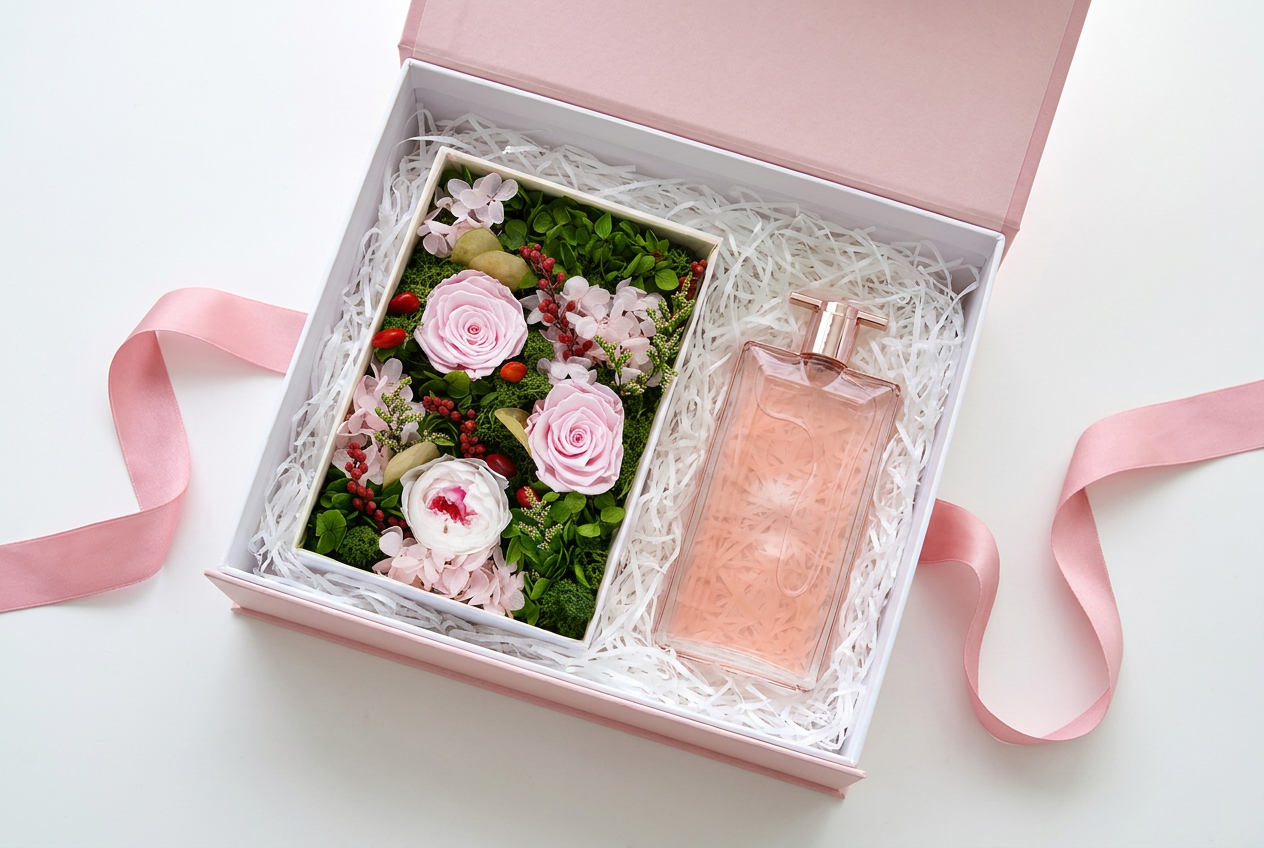
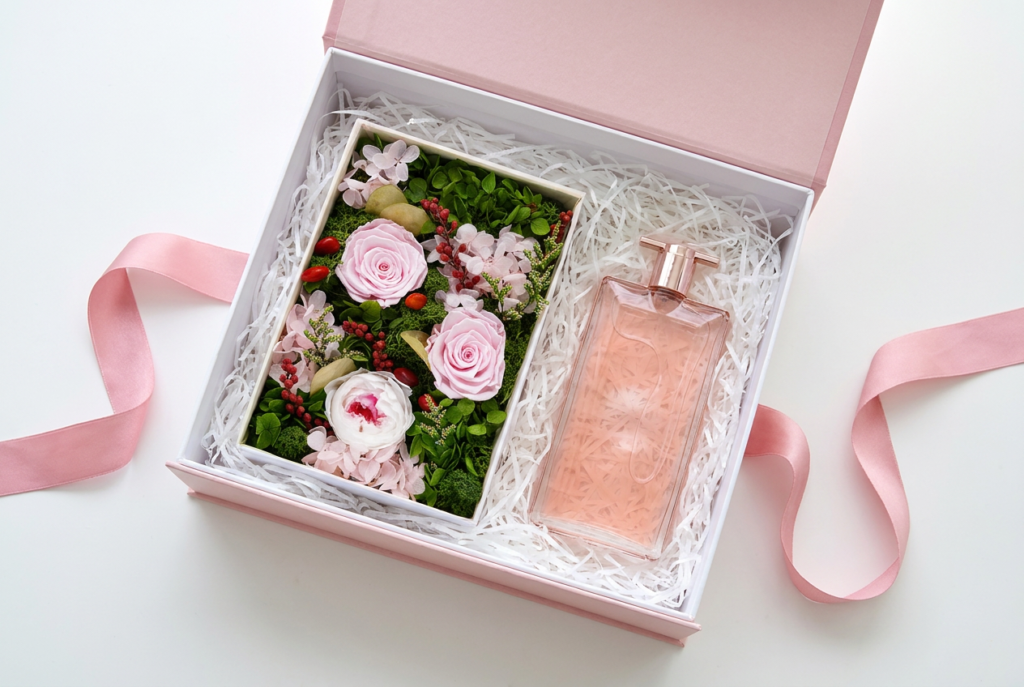
Heart notes define the foundational character and narrative of the perfume formulation, often built around rich florals, exotic spices, herbs, or lush fruit profiles. These are expressed through central visual anchors, such as premium grade-A preserved roses, sculptured hydrangeas, carnations, or natural foliage that directly mirror the hero ingredients of the fragrance juice. Preserved botanicals are ideal because they retain their natural softness, petal flexibility, and rich pigmentation for years without needing water, providing a permanent visual tribute to the living botanical ingredients inside the flacon.
Base notes provide structural warmth, longevity, and grounding through woods, resins, amber, vanilla, or musk. Tangible counterparts include heavyweight rigid greyboard, textured wood veneer laminates, velvet or micro-suede interior linings, warm-toned ribbon trims, and deep neutral base boards. By utilizing heavier textures and substantial tactile weights at the bottom of the packaging architecture, the gift physically communicates the enduring depth of the fragrance dry-down.
Brand identity goes beyond scent notes alone. Bottle architecture, flacon geometry, cap materials, typography, and primary color codes must carry seamlessly into secondary launch packaging. A minimalist niche fragrance with a heavy fluted glass bottle demands clean geometric gift structures, understated debossed logos, and monochromatic preserved flower perfume packaging. Conversely, an opulent luxury fragrance house featuring polished gold accents, heavy magnetic caps, and ornate typography requires rigid book-style boxes, custom gold hot-foil stamping, plush velvet inserts, and multi-layered botanical displays.
By systematically evaluating these sensory and visual layers, product development teams avoid generic promotional merchandise and build custom beauty launch gifting assets that feel like an organic extension of the perfume bottle itself.
How Would a Rose, Citrus, and Sandalwood Fragrance Concept Translate into Custom Launch Packaging?
To illustrate this translation process in practical terms, consider a hypothetical launch concept for a luxury eau de parfum featuring top notes of sparkling Italian bergamot and bitter mandarin, a heart of crimson damask rose and pink peony, and a dry-down base of creamy Australian sandalwood and warm amber.
In this hypothetical design brief, the objective is to create a multi-tiered launch suite that visually communicates the fragrance journey while ensuring full structural protection for a standard 50ml or 100ml glass flacon.
For the top citrus notes, the exterior box sleeve or presentation collar features a fine-grain, pale champagne textured art paper with subtle metallic micro-foil accents. This tactile choice reflects the effervescent, sunlit quality of citrus zest without overwhelming the primary branding. The unboxing starts with a crisp, refreshing visual tone that mirrors the initial spray of bergamot.
For the heart rose accord, opening the presentation reveals a curated botanical bed of real preserved roses in deep crimson and subtle blush tones. Preserved botanicals retain their natural softness and vibrant appearance for years without water, providing a long-lasting visual tribute to the living rose note in the perfume formula. The florals are treated through a proprietary solvent-free replacement process to be completely odorless, ensuring they do not compete with the actual fragrance mist.
For the sandalwood base, the foundation of the gift box uses a rigid 1200 GSM greyboard covered in a rich taupe or warm sand-colored soft-touch paper stock, lined with a plush velvet insert die-cut precisely to the bottle dimensions. The earthy, weighted base provides physical ballast and evokes the grounding warmth of dry sandalwood.
This structured approach demonstrates how every material selection, from paper weight to floral species, reinforces the specific olfactory narrative of the product.
If you are planning an upcoming fragrance debut and want to develop bespoke concepts, you can share your design brief, target quantities, and timeline directly with inquiry@sweetie-group.com to receive tailored manufacturing guidance and structural packaging recommendations.
How Do GWP Gift Sets, Influencer PR Boxes, and VIP Campaign Packages Differ in Production and Structure?
Different marketing channels have distinct requirements for structural durability, unit dimensions, component complexity, and overall cost per unit. Sourcing teams must evaluate these constraints early to select the right packaging construction and botanical arrangements.
Gift-with-Purchase (GWP) programs require high manufacturing efficiency, compact footprints, and lightweight construction to fit counter storage and parcel shipping allowances. Perfume GWP gift sets typically feature mini preserved floral arrangements, single-stem presentation boxes, or branded folding cartons with custom thermoformed or paper-pulp inserts holding a travel spray or miniature bottle. Because GWP items are distributed at high volume, the production focus centers on flat-pack shipping options, rapid assembly, and tight dimensional tolerances to minimize freight overhead.
Fragrance PR mailer boxes prioritize dramatic unboxing sequences, visual impact on camera, and transit durability through express courier networks. These sets often utilize rigid double-door opening mechanisms, magnetic closures, multi-layered reveals, and dense preserved floral beds that frame the full-size bottle. The interior must withstand high drop impacts while keeping all items aligned for immediate photography upon opening. Influencer unboxing videos require packaging that stays open without falling flat, uses non-reflective interior surfaces for optimal lighting, and presents the fragrance flacon upright and centered.
VIP and client loyalty gifting focuses on heirloom-grade finishes, tactile luxury, and long-term decorative value. These presentations frequently incorporate rigid keepsake boxes, acrylic display cloches with embedded preserved floral arrangements, personalized metal nameplates, and drawer compartments holding complementary launch items like ceramic scent stones or scented candles. High-net-worth clients and brand ambassadors expect reusable presentations that serve as permanent vanity displays long after the unboxing moment.
| Campaign Format | Primary Structural Material | Botanical Component Type | Packaging Closure Mechanism | Assembly & Handling Focus |
|---|---|---|---|---|
| Mini GWP Sets | 350-450 GSM folding cardstock or light rigid board | Single preserved rosebud or petite dried sprigs | Tuck-end flap, magnetic tab, or sliding drawer | High-speed assembly, compact size, stackable flat or pre-assembled |
| Influencer PR Mailer Boxes | 1000-1400 GSM rigid greyboard with premium wrap | Full-bed preserved roses, hydrangeas, and mosses | Double-door gatefold, ribbon tie, or heavy magnetic closure | Courier drop-test durability, photogenic component arrangement |
| VIP Luxury Keepsakes | Heavy greyboard, acrylic casing, or wood composite | Multi-species botanical cloche or multi-tier preserved bouquet | Hidden magnets, friction-fit lid, or metal latch hardware | Premium hand-finishing, long-term decorative display stability |
For teams evaluating initial component configurations across these formats, exploring digital tools like Sweetie AI can help narrow down suitable structural templates, material pairings, and packaging layouts based on your target distribution channel and volume requirements.
How Can Brands Prevent Odor Cross-Contamination and Material Degradation in Floral Perfume Packaging?
Integrating preserved flowers with delicate fragrance packaging introduces technical considerations around chemical off-gassing, moisture control, color migration, and physical fit. Perfume buyers and product developers must account for these factors during design qualification.
One critical challenge is chemical off-gassing from adhesives and foam inserts. Standard synthetic adhesives and cheap EVA foam formulations emit volatile organic compounds (VOCs) that can linger inside an enclosed gift box. When a recipient opens the box, these synthetic odors can overpower the subtle aroma of the fragrance or deposit residues on the glass bottle cap and pump mechanism. To eliminate this issue, manufacturers must use water-based, solvent-free adhesives and high-density, low-odor die-cut EVA or wrapped paperboard inserts that have undergone proper curing and air-out periods.
Preserved botanicals require careful environmental stabilization. Unlike dried flowers, which can become brittle and shed dust onto the perfume bottle, high-grade preserved flowers undergo a liquid replacement process where natural sap is substituted with a biodegradable vegetable glycerin solution. This maintains the petal flexibility and vibrant color without requiring water. However, preserved flowers must be shielded from excessive ambient humidity above 70 percent, which can cause minor glycerin weeping, and direct prolonged sunlight, which can fade dye pigments over time.
Color migration is another risk factor. If brightly dyed preserved flowers directly touch porous paper stocks or light-colored velvet inserts during prolonged shipping, dye transfer can occur. Structural designs must incorporate clear PET protective barriers, recessed cavities, or micro-clearance margins that keep petals elevated slightly away from unsealed interior fabrics and bottle labels.
Natural variation in botanical components must also be planned into production tolerances. Because preserved roses and natural foliage vary slightly in stem diameter and petal circumference, custom die-cut cavities must include flexible gripping tabs or soft velvet-wrapped walls rather than rigid plastic molds. This accommodates subtle organic differences while preventing bottle movement during transit.
What Structural Engineering and Cushioning Methods Best Protect Glass Flacons in Transit?
Glass perfume flacons represent significant structural vulnerability during shipping, particularly when paired with heavy rigid gift boxes and organic preserved floral arrangements. A failure in structural engineering can result in broken glass, oil leakage, stained velvet linings, and ruined PR campaigns.
To achieve drop-test compliance, packaging engineers utilize precision computerized numerical control (CNC) die-cutting for all interior fitments. High-density EVA foam (typically 38 to 45 degrees shore hardness) provides optimal shock absorption and structural memory. Unlike standard open-cell polyurethane foam, which compresses permanently under sustained pressure, high-density EVA retains its shape after repeated transit impacts. The foam insert is wrapped in plush, non-shedding velvet, microfiber suede, or matte coated paper that matches the secondary packaging aesthetic.
The flacon cavity must be engineered with exact tolerances. An undersized cavity creates excessive tension, making the bottle difficult for the consumer to remove without tearing the lining. An oversized cavity permits micro-movements during courier vibration, leading to surface abrasion on frosted glass, cap dislodgement, or label scratching. Engineered finger notches or integrated silk pull-ribbons allow effortless extraction without placing manual pressure on the delicate preserved floral arrangements bordering the bottle.
For influencer PR boxes containing secondary items such as scented candles, ceramic blotters, or atomizers, weight distribution across the baseboard is essential. Heavier components must be anchored toward the lower center of gravity, with structural partitions dividing glass-to-glass contact points. Outer shipping master cartons must feature reinforced edge protectors and water-resistant double-wall corrugated construction to insulate the internal presentation box against humidity and rough handling.
What Is the Step-by-Step Sourcing and Production Workflow for Custom Fragrance Gifting?
Executing custom fragrance launch gifts from initial creative mood boards to mass manufacturing involves a structured quality control workflow. Managing this timeline proactively ensures smooth launch synchronization across PR seeding, retail counters, and VIP events.
- Concept Brief and Feasibility Review: The brand provides the fragrance pyramid, bottle CAD dimensions, brand visual guidelines, target quantities, and campaign milestones. The manufacturing engineering team assesses structural stability, material compatibility, and botanical arrangement feasibility.
- Structural Prototyping and White Sampling: A plain structural prototype without printing is produced to confirm precise bottle fit, hinge durability, closure strength, and insert retention. Droptesting is performed on this prototype with dummy glass bottles filled with water to ensure adequate impact resistance.
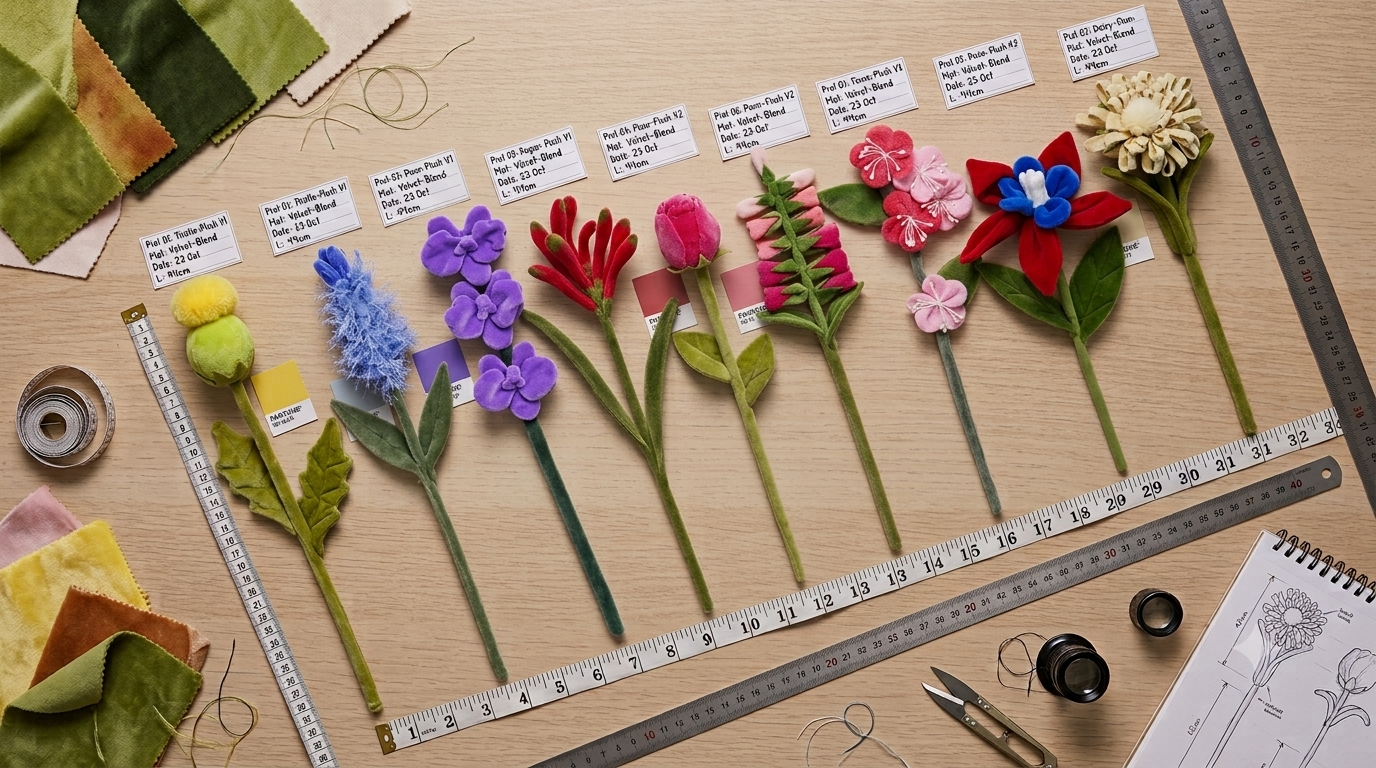
- Material and Botanical Swatch Approval: Specific paper stocks, foil stamping foils, ribbon textures, and dye-matched preserved flower batches are compiled into physical swatch books for brand approval. This stage locks in colorfastness and ensures brand color consistency across batches.
- Pre-Production Golden Sample: A fully finished pre-production sample incorporating final printing, surface lamination, interior linings, and assembled botanical arrangements is submitted for final sign-off. This golden sample serves as the inspection standard for mass production.
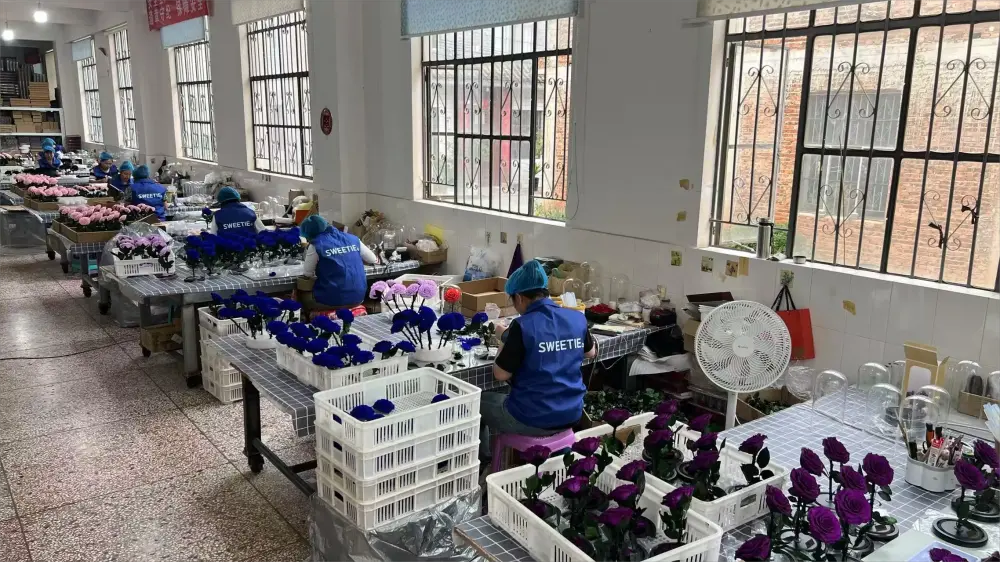
- Clean-Room Assembly and Quality Inspection: Mass packaging production is executed, followed by careful hand-assembly of preserved floral components in humidity-controlled environments. Each finished unit undergoes quality checks for alignment, cleanliness, adhesive curing, and structural integrity.
| Production Phase | Primary Engineering Focus | Key Deliverables | Risk Mitigation Checkpoint |
|---|---|---|---|
| 1. Brief & Review | Bottle dimensions, scent-note mapping, packaging type | Packaging concept blueprint, material feasibility report | Identify insert depth clearances and potential weight balance issues |
| 2. Prototyping | Fit accuracy, drop resistance, magnetic pull strength | Unprinted structural mockups, insert die-lines | Physical drop testing and courier transit vibration simulation |
| 3. Material Swatches | Color matching, texture tactile feel, low-VOC verification | Certified paper swatches, preserved flower color masters | Verify non-bleeding dye lots and solvent-free adhesive samples |
| 4. Golden Sample | Complete assembly representation, visual aesthetics | Fully branded master sample for production sign-off | Measure closure tolerances, logo registration, and scent neutrality |
| 5. Mass Assembly | Humidity-controlled floral mounting, carton pack-out | Batch quality records, packed export cartons | Final inspection of zero glue strings, zero dust, and secure bottle fit |
Planning a bespoke fragrance launch gift or luxury PR mailer suite? You can contact our bespoke packaging specialists or send your campaign brief, bottle dimensions, target quantities, and delivery schedule directly to inquiry@sweetie-group.com to begin engineering your custom gift packaging.
Best regards,
Annie Zhang