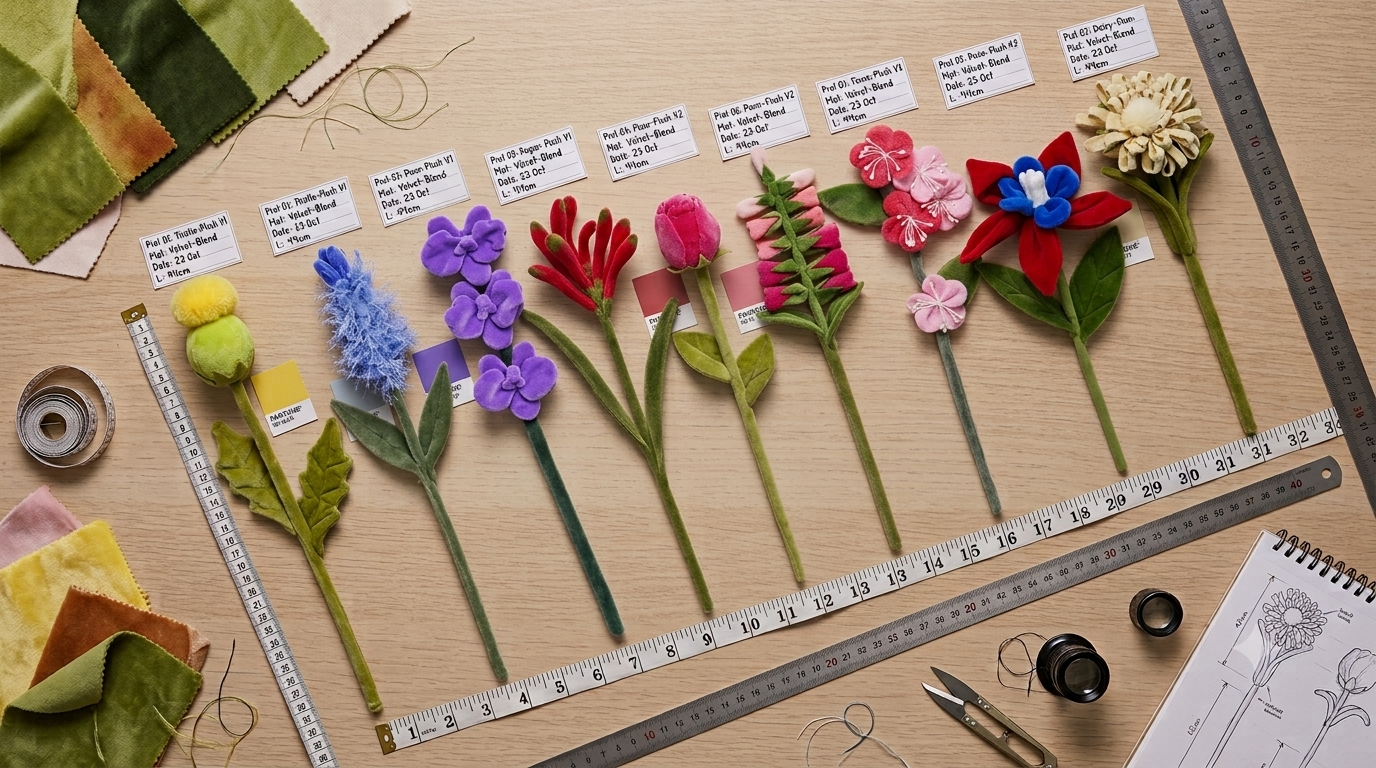
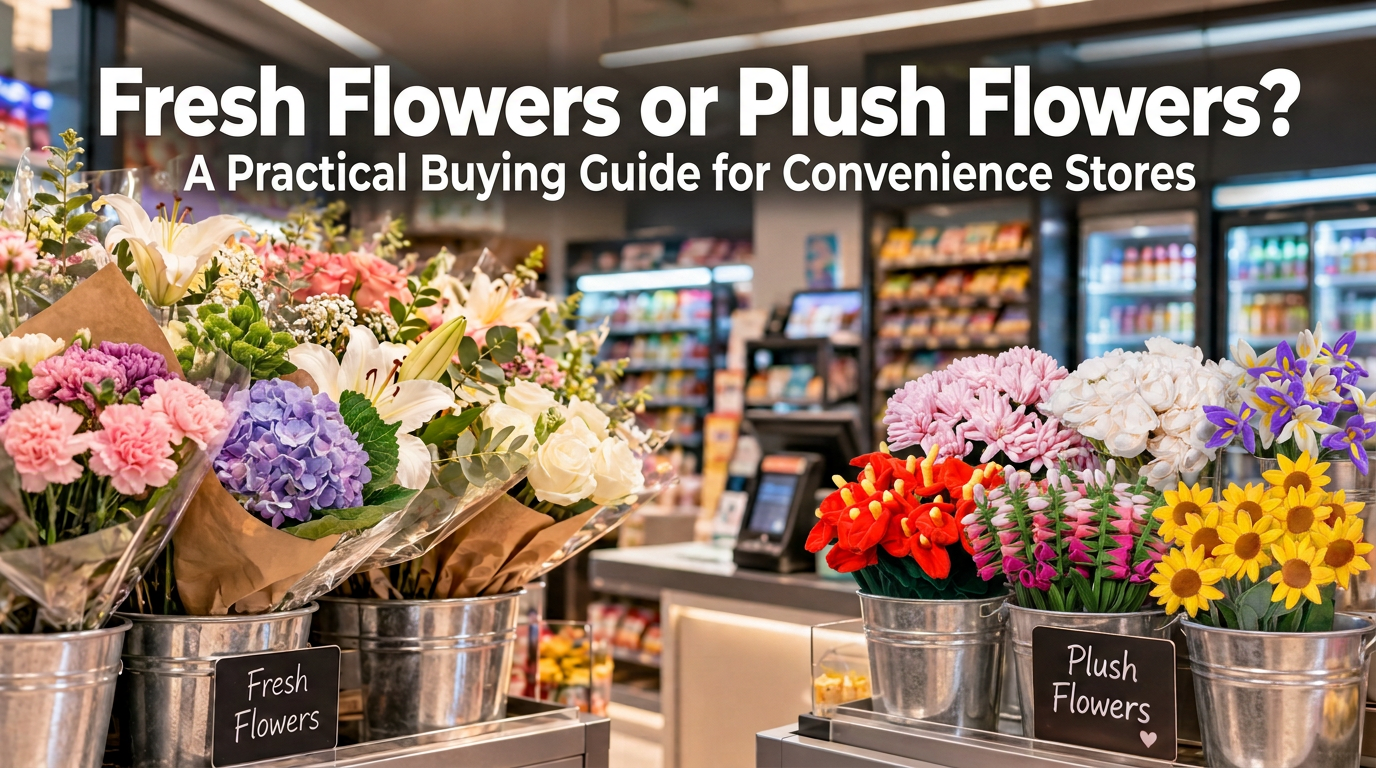
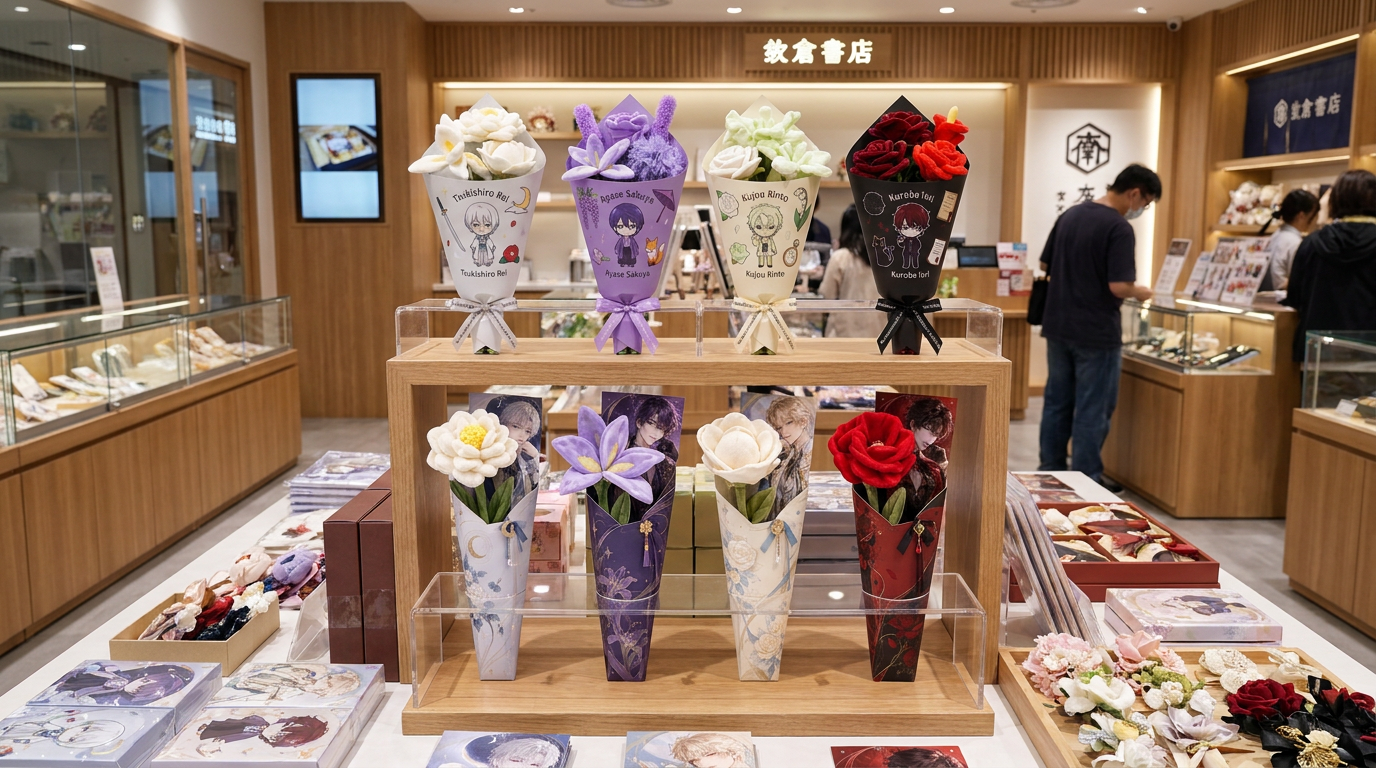
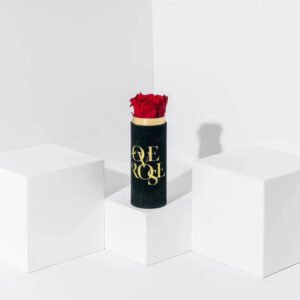
Fresh cut flowers suit high-traffic urban convenience stores equipped with cold-chain replenishment, daily staff maintenance, and rapid three-day inventory turnover, whereas plush flowers offer gas stations and convenience retail chains a zero-wilting, low-maintenance alternative that eliminates water management and biological spoilage while requiring active dust prevention, sturdy packaging protection, and disciplined seasonal rotation.
What Are the Real Daily In-Store Labor Demands for Fresh vs Plush Flowers?
In convenience and fuel retail formats, store associates manage register operations, hot food preparation, tobacco and lottery sales, shelf replenishment, and sanitization within tight shift schedules. Introducing ready-to-gift floral merchandise into this operational environment immediately highlights the stark operational contrast in daily staff allocation between live perishable stems and dry fabric gifts.
Fresh cut flowers demand continuous, multi-step daily care to maintain commercial viability. A standard c-store fresh floral program requires store associates to execute several physical tasks every morning:
- Inspecting display buckets and water levels to prevent dehydration and bacterial odor.
- Disinfecting floral containers and preparing fresh water dosed with commercial floral preservatives.
- Unpacking chilled deliveries, stripping lower foliage, re-cutting stems at a 45-degree angle with clean shears, and transferring arrangements into display buckets.
- Pruning wilted outer guard petals, dead leaves, and bruised buds throughout the shift.
- Mopping floor zones around floral buckets to eliminate customer slip hazards caused by water drips or dropped foliage.
When staffing is lean—such as during single-clerk late-night shifts or peak morning commuting rush hours—fresh flower maintenance is routinely deprioritized. Within 24 to 48 hours of neglected bucket sanitization and water topping, water turns cloudy, petals drop, and customer presentation deteriorates sharply.
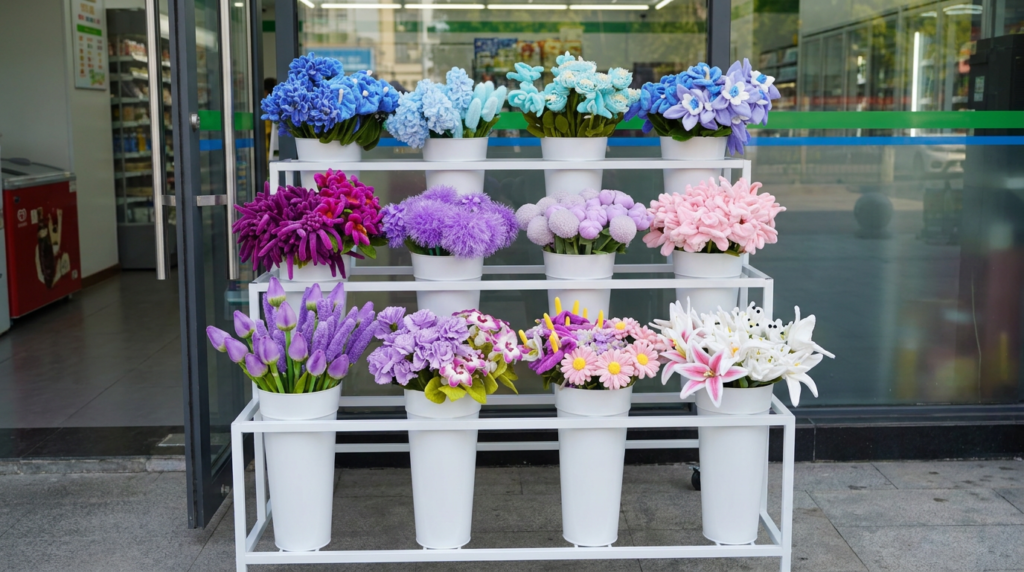
In contrast, wholesale plush flowers for retail chains require virtually zero wet labor. Fabric blooms such as single plush roses, tulips, and sunflowers arrive pre-assembled, completely dry, and pre-packaged. In-store labor for plush floral lines is limited to basic dry-goods merchandising routines:
- Initial unboxing and placement into countertop display boxes (PDQs) or floor display spinners.
- Occasional dusting with a soft microfiber duster or dry cloth during regular weekly shelf cleaning.
- Straightening flexible stems or repositioning tilted display sleeves after high-traffic customer handling.
While plush flowers eliminate water management entirely, buyers must acknowledge that plush merchandise still requires dry merchandising maintenance. Dust accumulation, bent wire stems from rough customer handling, and crushed outer cellophane sleeves can degrade visual appeal if left unattended on display racks for extended months.
How Do Shrinkage Patterns Differ Between Perishable Blooms and Fabric Alternatives?
Shrinkage calculation is a decisive metric when analyzing c-store flower shrinkage and labor economics. However, the nature and financial realization of shrinkage differ fundamentally between live cut stems and fabric-based floral gifts.
Fresh cut flowers operate on an unforgiving biological clock. Even under optimal ambient store conditions without dedicated refrigerated floral display coolers, fresh bouquets carry an active retail shelf life of only three to five days. Perishable floral shrinkage typically follows a predictable decay curve:
- Day 1 to 2: Full retail price realization with peak visual freshness.
- Day 3: First visual signs of dehydration; markdown required (typically 20% to 30% discount).
- Day 4 to 5: Severe petal drooping, leaf browning, and stem softening; clearance markdown (50% or deeper).
- Day 6+: 100% inventory write-off and physical disposal into dumpsters.
Across mainstream convenience chains without dedicated daily direct-store-delivery (DSD) floral logistics, fresh flower unsaleable dump rates frequently range from 15% to over 35%, eroding initial gross product margins.
Plush floral merchandise does not suffer from biological rot, bacterial stem decay, or temperature sensitivity. A plush rose or sunflower retains its structural integrity indefinitely. However, retail buyers should not mistake “zero wilting” for “zero shrinkage.” Plush flower shrinkage manifests through dry-goods operational risks:
- Packaging Abrasion: Clear OPP sleeves or window display boxes getting creased, torn, or scratched by repeated customer handling.
- Dust and Sun Bleaching: Products displayed directly beneath intense fluorescent lighting or near sunny window fronts for extended months collecting airborne grease or suffering fabric fading.
- Dead Inventory Accumulation: Unsold holiday-specific colorways (such as themed plush for single-day events) occupying valuable counter space after the holiday has passed.
Because plush flowers retain their physical structure, unsold units can be packed back into master shippers, transferred between regional stores, or discounted moderately during post-holiday clearance without requiring physical destruction.
If you are planning an impulse floral program and want to explore durable, retail-ready plush gift options, contact inquiry@sweetie-group.com or contact our team with your store count, target regions, and display requirements to request product specifications and wholesale sample assortments.
Which Floral Category Delivers Better Floor and Countertop Space Efficiency?
Convenience stores and gas station kiosks operate within constrained footprints where every square inch of retail space must generate predictable gross margin dollars per square foot. Assessing convenience store floral gift merchandising requires matching the fixture footprint to store layouts.
Fresh flowers inherently demand dedicated ground space or specialized heavy-duty display racks. Because fresh arrangements require water-filled buckets, their merchandising fixtures are subject to specific spatial constraints:
- Water Proximity and Spill Containment: Buckets cannot be placed above or directly adjacent to dry snack aisles, electronics, or lottery kiosks due to splash and leakage risks.
- Electrical Hazard Separation: Displays must stay clear of low-level electrical outlets, floor wiring, and POS machinery.
- HVAC Avoidance: Live stems deteriorate rapidly when placed in direct airflow pathways from entrance doors, air conditioning units, or overhead heating vents.
Plush floral programs provide substantially greater placement flexibility across small retail formats. Because plush items are completely dry, lightweight, and mechanically resilient, store planners can deploy them across multiple high-impulse micro-zones:
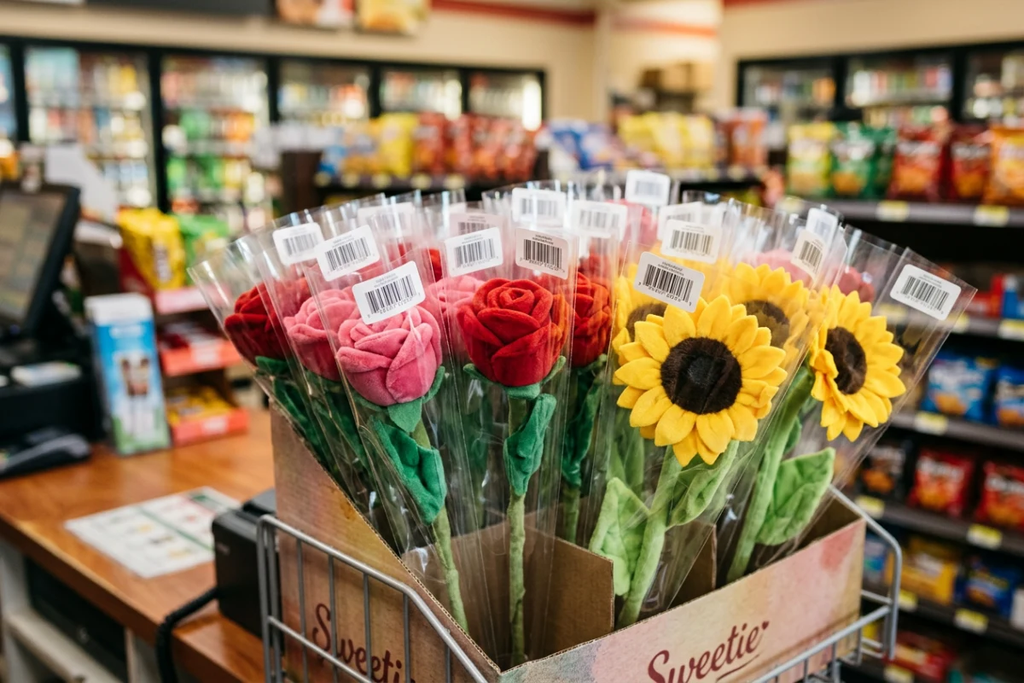
- Cash Countertop PDQ Display Trays: Compact footprint boxes holding 12 to 24 single plush stems placed immediately beside the checkout terminal or coffee station.
- Hanging Clip Strips and Side-Wing Racks: Vertical hanging strips attached to aisle end-caps or beverage cooler side panels, utilizing previously dead vertical airspace.
- Floor Spinners and Basket Dump Bins: Freestanding, compact rotating wire racks placed in checkout queuing pathways to capture waiting impulse shoppers.
By leveraging existing vertical surfaces and POS counter areas without water-spill liability, plush flowers allow small-format operators to introduce floral gifting revenue without sacrificing primary snack or beverage shelf allocation.
How Do Impulse Mechanics and Seasonal Demand Cycles Compare in Small Formats?
Gas station impulse gift programs rely on rapid consumer purchase decisions. The average dwell time of a convenience store customer is under four minutes, meaning gift products must convey clear utility, gifting readiness, and attractive visual appeal within seconds.
Fresh flowers hold strong cultural associations as premium, traditional gifts for major holidays. During peak floral events such as Valentine’s Day and Mother’s Day, fresh bouquets trigger spontaneous purchases from commuters seeking quick, last-minute convenience solutions. However, outside these 48-hour holiday spikes, everyday fresh floral sales drop sharply in convenience environments, often leaving stores with high scrap rates during non-holiday weeks.
Plush flowers capture a distinctly different impulse psychology. Their tactile aesthetic appeals strongly to everyday “micro-gifting” occasions that occur consistently throughout the year:
- Spontaneous tokens of affection for partners, children, or friends during routine fuel stops.
- Playful car dashboard decorations, student desk ornaments, and graduation gifts.
- Low-pressure, cheerful decorative items that do not require the recipient to own a vase or manage water care.
When exploring how different stem styles, seasonal themes, and plush configurations fit specific consumer demographics, retail buyers can consult Sweetie AI to evaluate product selections and align merchandise plans with specific store formats.
Furthermore, seasonal inventory management for plush flowers presents far lower financial risk. If a store over-orders plush roses for Valentine’s Day or plush sunflowers for graduation season, the remaining stock does not rot within 72 hours. Store managers can re-merchandise standard plush roses into everyday romantic gift sections or hold seasonal stock in dry backroom storage for the next sales cycle.
Decision Framework: When Should Retail Chains Select Fresh vs Plush Flowers?
To establish an objective procurement framework, convenience store category managers should evaluate the operational strengths and trade-offs of fresh versus plush floral programs across core retail criteria.
| Merchandising Parameter | Fresh Cut Flowers | Wholesale Plush Flowers |
|---|---|---|
| In-Store Staff Labor | High: Daily water replacement, stem cutting, petal pruning, bucket sanitizing. | Minimal: Initial unboxing, light dusting, and occasional sleeve re-straightening. |
| Product Shrinkage Profile | 15%–35%+ spoilage; biological rot within 3–5 days without cold chain. | 0% biological rot; minor risks from packaging wear, dust, or bent stems. |
| Supply Chain Requirements | Temperature-controlled cold chain, frequent Direct Store Delivery (DSD). | Standard dry ambient warehousing, cross-docking, and standard carton shipping. |
| Display Zone Flexibility | Restricted to floor areas with drip protection; must avoid POS electronics. | High: Countertop PDQs, vertical clip strips, floor spinners, and register zones. |
| Impulse Value Proposition | Traditional formal gifting for major seasonal holidays and anniversaries. | Playful, low-maintenance micro-gifting, everyday tokens, and desk decor. |
| Post-Holiday Risk | Total inventory write-off if unsold within 48 to 72 hours of holiday end. | Salvageable inventory; re-merchandisable as everyday gifts or dry-stored. |
| Margin Predictability | Variable; gross margins often eroded by high unsaleable dump rates. | Highly predictable; steady margins protected by stable ambient shelf life. |
Based on these operational realities, retail buyers can apply a clear selection rule:
- Select Fresh Flowers when: Your store network features high foot traffic, established daily refrigerated delivery logistics, dedicated floor space, and sufficient on-shift labor trained in daily floral care.
- Select Plush Flowers when: Your stores operate with lean staffing, lack refrigerated display fixtures, require compact countertop or clip-strip displays, and seek predictable impulse margins with minimal write-off risk.
- Deploy a Hybrid Strategy when: You leverage fresh bouquets exclusively during concentrated 3-day seasonal spikes (Valentine’s Day and Mother’s Day) while maintaining a permanent, compact plush flower display for steady, 365-day impulse sales.
What Starter SKUs and Retail-Ready Packaging Work Best for Test Merchandising?
When retail chains test plush floral gifting programs, starting with proven high-turnover SKUs and functional retail packaging minimizes category risk and streamlines store-level execution.
Experience across retail distribution networks—including pilot merchandising formats adapted for major retail ecosystems such as FamilyMart convenience franchises and Freshippo grocery outlets—demonstrates that uncomplicated, highly recognizable floral silhouettes achieve the fastest customer adoption.
Recommended core starter SKUs include:
- Single-Stem Long Plush Roses: Classic red, soft pink, and champagne shades. Features flexible internal wire stems wrapped in soft plush fabric, allowing customers to wrap stems around bags, car headrests, or wristbands.
- Cheerful Plush Sunflowers: Bright yellow petals with expressive stitched facial detailing or clean botanical centers. Highly effective for year-round everyday impulse purchases, graduation seasons, and summer promotions.
- Single Plush Tulips in Pastel Tones: Soft pink, lavender, and butter yellow tulips that appeal to younger demographics and spring seasonal themes.
- Compact 3-Stem and 5-Stem Plush Bouquets: Pre-arranged, wrapped fabric bouquets in sturdy cardboard presentation cones designed for immediate “ready-to-gift” grab-and-go purchases.
Retail-ready packaging is critical for convenience chain execution. Loose plush items placed in bulk bins quickly become untidy. Procurement specifications should mandate:
- Individual Protective OPP Sleeves: Clear, crinkle-resistant transparent sleeves protecting each fabric flower head from airborne dust and grease while preserving tactile visual clarity.
- Pre-Printed Scannable Barcode Tags: Standard EAN/UPC barcodes integrated directly onto individual stem tags or back-sleeve labeling to eliminate cashier scanning friction.
- Pre-Assembled Countertop Display Shippers (PDQs): Compact, rigid cardboard display trays holding 18 to 36 single stems. Associates simply open the master carton, fold back the header card, and place the pre-filled PDQ directly on the checkout counter.
What Quality and Supply Chain Standards Should Buyers Require from Manufacturers?
Sourcing wholesale plush flowers for retail chains requires rigorous evaluation of factory manufacturing capabilities, compliance certifications, and packaging engineering. Selecting an experienced B2B partner ensures smooth rollouts across hundreds of store locations.
Sweetie-Group provides specialized B2B floral gift manufacturing, leveraging approximately 20 years of industry experience and an established Yiwu manufacturing and supply chain hub. Operating as a dedicated OEM/ODM floral gift partner, Sweetie-Group delivers comprehensive wholesale production, custom packaging development, and strict quality assurance protocols for retail chains.
When vetting plush floral suppliers, retail procurement teams should audit three foundational quality standards:
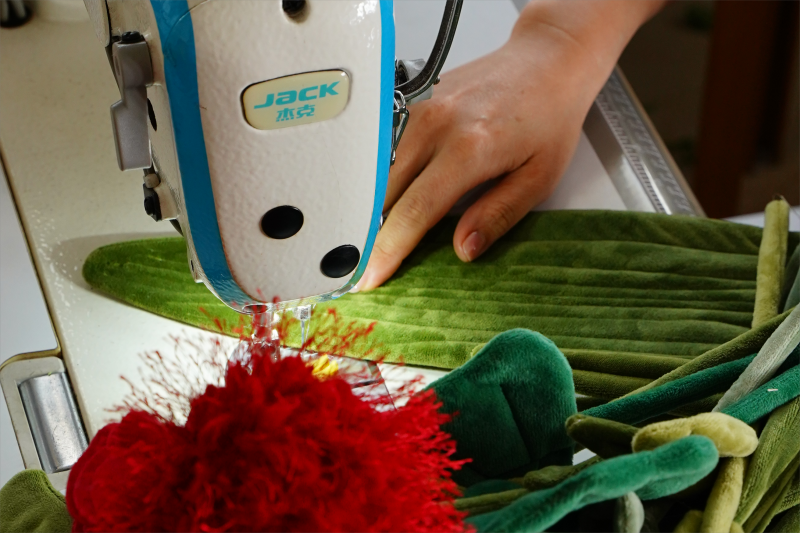
- Material Safety and Stitching Durability: Fabric materials (crystal super-soft plush, felt, or velour) must comply with international consumer safety standards (such as REACH or ASTM F963 compliance where required). Internal wires must be securely anchored with heavy-duty end caps to prevent wire tips from puncturing plush fabric layers.
- Colorfastness and Odorless Finishing: Fabric dyes must resist rapid UV fading under store fluorescent lighting and be completely free of chemical processing odors that could deter impulse buyers.
- Carton Drop-Test and Packaging Rigidity: Master export cartons and internal PDQ trays must pass standard drop testing to ensure displays arrive at regional distribution centers and store docks without crushed corners or damaged floral heads.
By establishing strict quality baselines and partnering with established supply chain specialists, convenience store buyers can build a highly profitable, low-labor impulse gifting category that generates reliable year-round margins.
To evaluate custom counter PDQ designs, review OEM/ODM plush floral assortments, or request sample kits for your convenience store chain, reach out directly to inquiry@sweetie-group.com to discuss your seasonal timeline and distribution requirements.
Annie Zhang