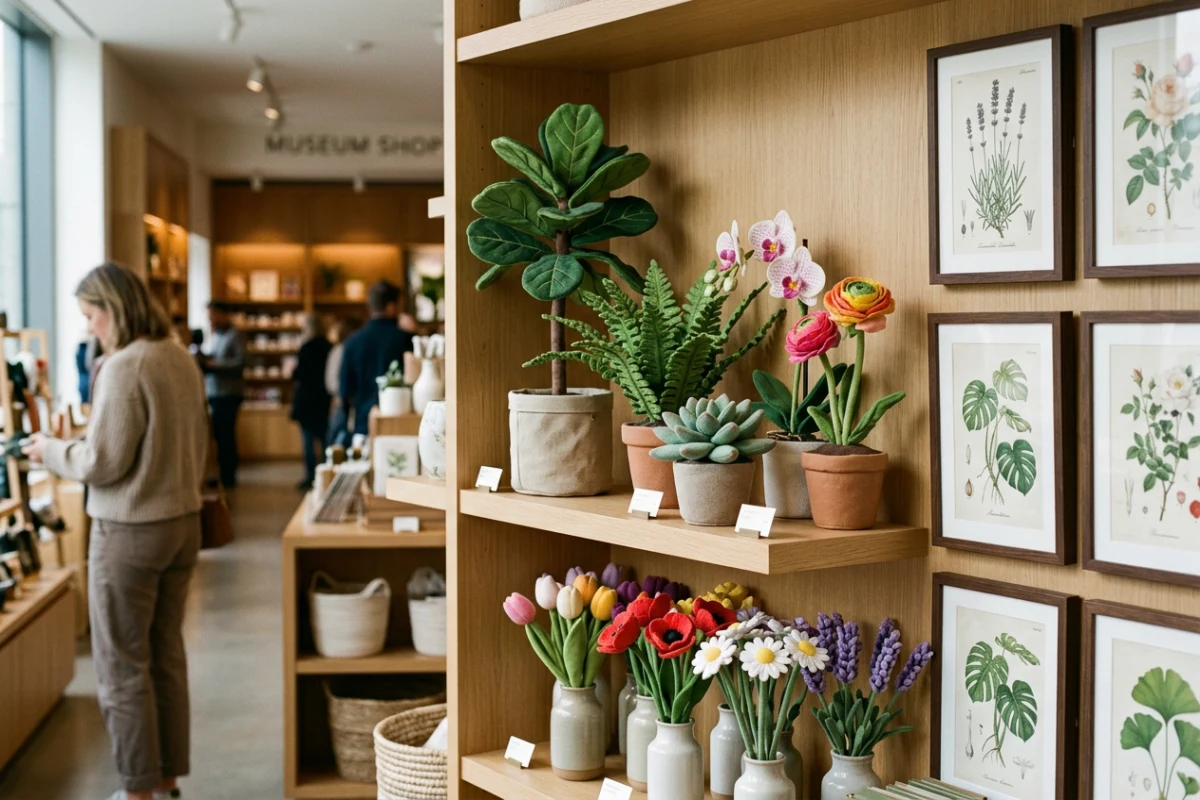
To develop custom plush flowers within budget while preserving core aesthetics, identify non-negotiable signature details, optimize fabric layers, petal counts, and stem structures, and validate all production specifications during early prototyping. Partnering with an experienced OEM supplier allows brands to make informed material substitutions, streamline assembly labor, and prevent costly discrepancies between approved prototypes and bulk production.
What Are the Primary Cost Drivers in Custom Plush Flower Manufacturing?
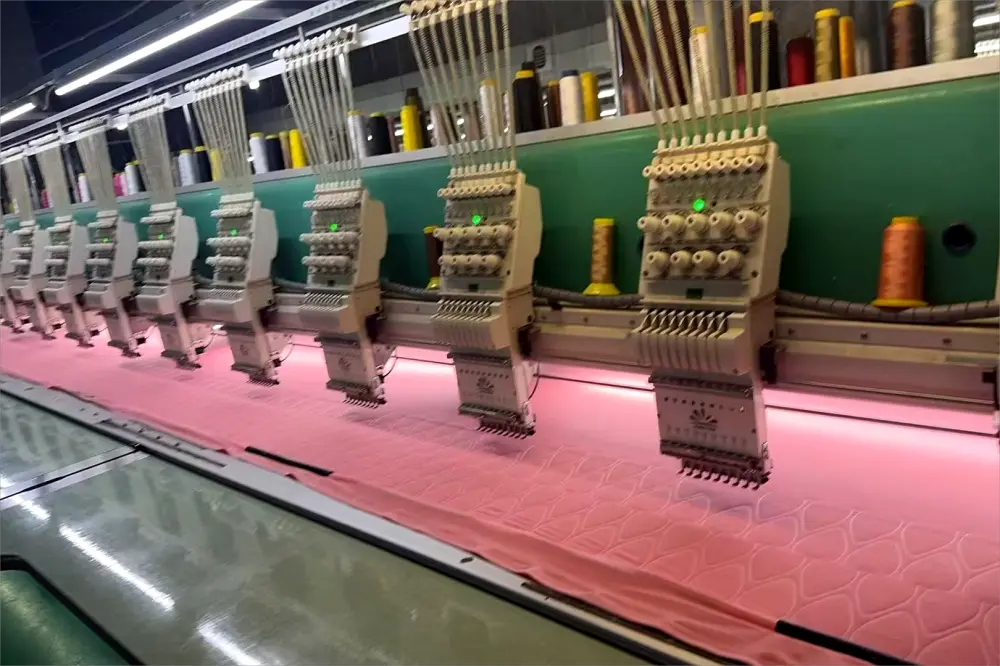
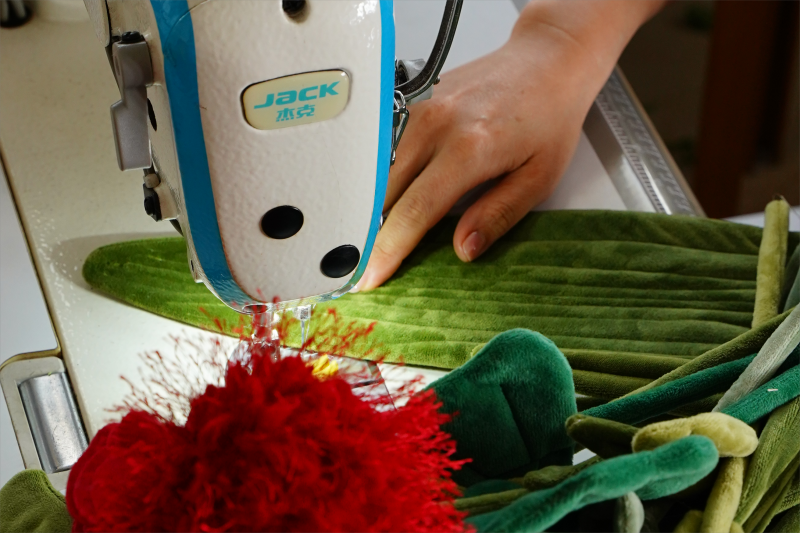
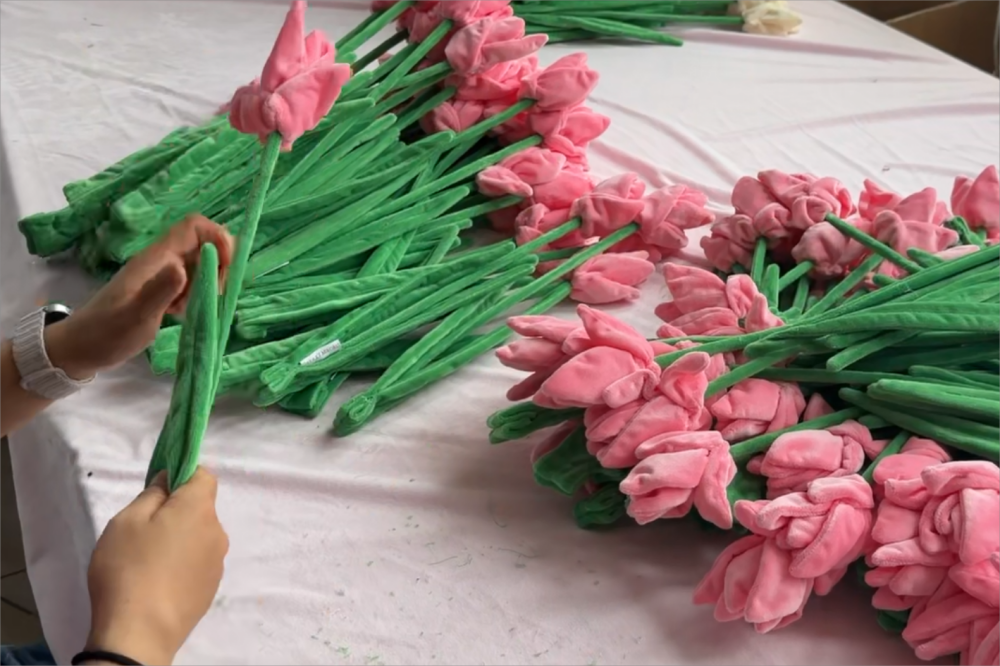
Understanding plush flower manufacturing cost requires analyzing both raw material inputs and manual assembly labor intensity. Unlike conventional plush toys that utilize continuous rounded pattern pieces, plush flowers involve intricate multi-piece assemblies, delicate leaf placements, and specialized internal supports. Every added layer, decorative process, or structural bend directly increases cutting, sewing, and finishing time.
| Cost Driver | Direct Impact on Manufacturing | Optimization Opportunities |
|---|---|---|
| Petal and Leaf Quantity | Multiplies die-cutting cycles, stitching passes, and manual attachment time. | Group overlapping petals into continuous fabric bands or reduce hidden inner layers. |
| Fabric Variety & Texture | Combining short plush, velvet, knit, or organza increases material waste and handling complexity. | Standardize to high-texture core fabrics with versatile dye-receptive surfaces. |
| Stem Architecture | Internal iron wires, plastic core tubes, or articulated joints require manual insertion and safety capping. | Select bendable coated wire gauges tailored specifically to stem length and display weight. |
| Decorative Techniques | Detailed embroidery, heat transfer printing, or hand-painted gradients add machine setups and processing stages. | Replace high-stitch-count embroidery with strategic jacquard weaving or direct screen printing. |
| Packaging & Logistics Volume | Extended stems and rigid flower heads create dimensional shipping dead space. | Design detachable stems, bend-to-pack formats, or optimized master cartons. |
Assembly labor often represents the largest variable expense in plush flower development. A realistic cost estimation model must balance manual sewing minutes against visual impact to keep unit costs aligned with wholesale margins and retail price architecture.
How Do You Categorize Core Design Features Versus Optimizable Details?
Successful plush flower design optimization depends on categorizing design elements into essential identity markers, flexible construction details, and high-risk variables before cutting sample patterns.
Non-Negotiable Brand Identity Features
These elements define the flower’s character and brand recognition. Alleviating costs here often degrades consumer perception.
- Signature Silhouette: The distinctive blooming profile, petal curvature, or botanical proportions that give the flower its recognizable identity.
- Primary Color Palette: Exact Pantone-matched brand hues for focal petals and central pistils that ensure brand alignment.
- Visible Face Expression: Precision embroidery or felt appliques on character-inspired floral faces that communicate personality.
- Core Fabric Handfeel: Ultra-soft velboa, plush fleece, or custom textures defining the collection’s tactile appeal.
Flexible Construction Details
Secondary features can be re-engineered for mass manufacturing efficiency without compromising visual appeal.
- Sub-Layer Petal Counts: Consolidating an eight-petal blossom into a six-petal structure while increasing individual petal fullness.
- Leaf Undersides: Using flat matching knit backing instead of double-sided plush on foliage.
- Internal Fill Material: Balancing premium virgin polyester fiber with structured foam cores to maintain shape with less stuffing labor.
- Seam Placement: Shifting hidden seam lines along natural petal folds to reduce precision stitching time.
If you have an initial concept or reference sketch and need technical evaluation against specific target price points, our product development team is available to assist. You can email inquiry@sweetie-group.com with your reference images, target unit cost, estimated order quantity, and target market to discuss development options.
Which Development Path Best Balances Aesthetics and Budget?
When initiating custom plush flower development, procurement teams evaluate three distinct engineering paths based on budget tolerance, minimum order requirements, and project timelines.
Development Decision Framework:
- Full Replication –> Premium retail, license merchandising (High unit cost, strict tooling)
- Value Engineering –> Commercial retail, brand gifting (Optimized layers, standard stock)
- Targeted Redesign –> High-volume promotional campaigns (Simplified silhouette, streamlined labor)
Path 1: Full Original Design Retention
This approach replicates every bespoke nuance, complex gradient, and layered petal arrangement present in the conceptual render. It demands custom fabric dyeing runs, extensive manual assembly, and multi-stage quality control. This path suits luxury floral gift boxes, licensed collector merchandise, and premium seasonal launches where brand fidelity supersedes unit cost constraints.
Path 2: Partial Material and Structural Optimization
Value engineering preserves outer aesthetics while standardizing internal framing, backing fabrics, and petal layers. By substituting custom-milled textiles with verified commercial stock fabrics and replacing multi-piece leaves with integrated die-cut profiles, buyers achieve substantial cost savings while maintaining 90% to 95% of visual intent.
Path 3: Targeted Redesign for High-Volume Production
Targeted redesign simplifies complex organic forms into clean, scalable geometric plush patterns. Multi-layer calyxes become clean single-piece die-cuts, and hand-bent wire stems transition to modular push-fit fittings. This path fits high-volume promotional giveaways, subscription box inclusions, and cost-sensitive retail programs.
How Do Fabric Availability and Color Matching Affect Production Feasibility?
Fabric selection directly impacts material yield, color consistency, unit cost, and production lead times. Understanding textile procurement constraints helps buyers avoid costly development bottlenecks.
Custom Dye Lot: Requires high textile MOQ (typically 800-1,500m) -> Long lead time
Stock Fabric Swatches: Low volume threshold, immediate availability -> Faster sampling
- Stock Fabrics vs. Custom Dye Lots: Using supplier-stocked fabrics enables lower minimum order quantities and faster prototyping. Custom color dyeing requires minimum fabric runs, which can inflate upfront costs if order volumes do not meet mill thresholds.
- Texture and Sheen Variations: Substituting short crystal velboa for matte plush fleece alters light reflection and petal shape. Swatches must be evaluated under standard retail lighting.
- Fabric Weight and Structural Rigidity: Heavier fabrics support upright petal silhouettes but require sturdier stitching and needle gauges, while lightweight textiles may require laminated backing to avoid drooping.
- Compliance and Safety Standards: All chosen textiles must meet destination market regulations (such as EN71, ASTM F963, or CPSIA requirements for lead, phthalates, and flammability). Verifying raw material compliance with your OEM plush flower supplier early avoids mid-production fabric swaps.
How Can Digital Planning Tools Assist in Early Sourcing and Budgeting?
When exploring early-stage design feasibility, buyers often benefit from digital planning tools that map product concepts against realistic manufacturing parameters.
Procurement teams can utilize Sweetie AI to evaluate product selections, align specifications with target price ranges, and structure initial sourcing briefs across diverse retail and promotional scenarios.
By testing product parameters, packaging styles, and target volume assumptions in advance, merchandising teams can approach formal factory development with clearer briefs and realistic cost expectations.
What Critical Elements Must Be Verified on a Custom Plush Flower Sampling Checklist?
Custom plush flower sampling bridges conceptual artwork and production reality. Discrepancies between approved golden samples and mass production usually stem from ambiguous sample approvals. A structured verification checklist ensures manufacturing alignment.
- Petal and Leaf Counts: Count and document every individual petal, sepal, and leaf on the approved sample. Discrepancies often occur when production teams inadvertently omit decorative foliage to save sewing steps.
- Dimensional Accuracy: Measure stem length, blossom diameter, and total upright height against approved tech packs.
- Color Swatch Verification: Match physical sample components against physical Pantone color swatches under uniform D65 light sources.
- Internal Stem Mechanics: Test stem flexibility, wire gauge thickness, and tip safety enclosures to ensure wires do not puncture fabric during repeated bending.
- Seam Strength and Seam Tension: Check pull strength along petal seams, calyx joints, and leaf attachments to prevent seam slippage during retail handling.
- Branding Labels and Hangtags: Confirm woven label placement, legal font sizes, care symbols, batch codes, and country-of-origin markings.
- Packaging Fit and Recovery: Test how stems and blossoms recover after temporary compression inside master cartons.
Any structural or material modification made during sampling must be reflected in updated tech packs and counter-signed specification sheets before bulk production begins.
How Do Stem Structures, Packaging, and Shipping Volume Impact Landed Unit Costs?
Unit cost calculations must extend beyond factory gate pricing (FOB) to encompass landed costs, where volumetric shipping weight plays a major role.
Stem Architecture Comparison
- Flexible Coated Wire Stems: Enable stems to bend into compact retail gift boxes or curved carton packaging, reducing shipping volume by up to 40%.
- Rigid Plastic/Paper Core Stems: Maintain clean, upright display lines but require longer cartons that increase dimensional freight rates.
- Modular Detachable Stems: Separate the flower head from the stem for flat-pack shipping, assembling easily at retail or distribution centers.
Packaging Strategy and Protection
- Bulk Carton Packing: Individual protective polybags per flower head packed in multi-tier master cartons offer the lowest packaging unit cost.
- Retail Display Window Boxes: Provide shelf-ready appeal and barcode surfaces but require inner blister trays or paperboard ties to secure stem positioning.
- Bouquet Wrap Assemblies: Pre-assembled plush bouquets require custom corrugated inserts to prevent petal crushing during transit.
What Information Should Buyers Provide in a Complete Custom Plush Flower Development Brief?
Providing a detailed development brief enables manufacturers to deliver accurate engineering feedback, realistic material recommendations, and transparent cost estimates on the first pass.
Essential Information Checklist for Your Brief
- Reference Visuals: Vector artwork, multi-angle 3D renders, or reference photographs highlighting key design details.
- Target Dimensions: Total flower length, stem diameter, blossom diameter, and leaf proportions.
- Fabric and Color Specifications: Preferred textile types (velboa, fleece, felt, satin) and Pantone color references.
- Target Unit Cost (FOB/DDP): Clear target pricing allowing engineers to suggest appropriate value-engineering options.
- Order Volume & Color Assortments: Total estimated order quantities broken down by SKU and seasonal delivery phases.
- Branding & Packaging Requirements: Woven labels, hangtags, barcodes, gift sleeves, or custom master carton configurations.
- Destination Market & Testing Standards: Regional compliance requirements (e.g., US ASTM, EU CE/EN71, UKCA).
- Critical Delivery Deadlines: Target sample approval dates, mass production completion windows, and on-shelf retail dates.
If you have a custom plush flower concept ready for technical review or want to explore value-engineering possibilities for an upcoming product line, you can submit your project specifications through our contact page or reach out directly to our engineering specialists at inquiry@sweetie-group.com with your reference images, target unit cost, estimated order quantity, and target market to start your development review.