Every spring, commercial retail buyers face a familiar challenge: predicting what shoppers will actually want to buy for Mother’s Day months before products hit shelves. Preparing for the upcoming holiday on May 9, 2027 requires moving past guesswork and fleeting social media fads. Instead, successful inventory planning demands an analysis of genuine emotional drivers, shifting consumer budgets, and verifiable market signals.
Today’s consumers are increasingly discerning. They seek gifts that balance emotional connection with perceived value. Whether buying for mothers, grandmothers, partners, or maternal figures, shoppers are filtering choices through a desire for genuine appreciation, everyday utility, and moments of calm. Understanding how these attitudes translate into tangible product categories allows retail merchandisers to build a resilient, high-margin inventory strategy.
What Shoppers Will Actually Want for Mother’s Day 2027
To build an effective seasonal catalog, buyers must first understand why people buy what they buy. Mother’s Day purchasing is inherently emotional, yet modern purchasing behavior shows a clear tilt toward intentionality. Shoppers are moving away from disposable, superficial novelty items in favor of gifts that convey thoughtfulness or provide genuine practical relief.
Several core consumer motivations will dominate the 2027 shopping period:
- The Desire for Rest and Recuperation: Modern mothers often carry a heavy mental load. Shoppers increasingly look for items that facilitate uninterrupted relaxation, low-maintenance home comfort, and self-care.
- Meaningful Connection over Generic Luxury: Consumers want gifts that feel curated specifically for the recipient. Even off-the-shelf items need to offer an element of personal resonance, storytelling, or emotional warmth.
- Practical Longevity: Shoppers appreciate gifts that remain functional or visually appealing well beyond the holiday weekend, giving them greater confidence in their spending.
- Turnkey Convenience: Time-strapped gift buyers gravitate toward complete gift sets and beautifully pre-packaged bundles that eliminate the stress of wrapping and staging.
Aligning your retail assortment with these core motives ensures that your shelf space meets actual customer demand rather than speculative trends.
Evidence-Based Signals: What Recent Consumer Data Tells Retail Buyers
Developing a dependable B2B seasonal gift buying guide means grounding decisions in verifiable research. Retail data from benchmark seasons provides clear guidance on spending volume, gift categories, and consumer priorities.
According to historical retail tracking by the National Retail Federation (NRF), Mother’s Day spending reached a projected record of $38 billion in the United States, with 75% of consumers planning to purchase flowers. This cements floral gifting as an absolute baseline across consumer demographics. However, how shoppers choose those gifts is evolving.
Consumer behavior studies from Optimove revealed that 51% of shoppers prioritized product quality above all else when selecting a gift, particularly among middle- and higher-income households. While price sensitivity exists, consumers are willing to spend when they perceive lasting craftsmanship, premium materials, or elevated presentation.
Furthermore, marketplace insights from Etsy highlighted a +228% surge in search volume for curated mom gift baskets. This indicates strong consumer appetite for multi-item, thematic bundles that feel custom-assembled.
From a macroeconomic perspective, trend forecasters at WGSN identify overarching cultural currents such as the desire for “Strategic Joy” and counterbalancing modern burnout. Rather than predicting specific SKU sales, these forecasts signal an ongoing shift toward products that offer mood elevation, grounding comfort, and emotional reassurance. Integrating these validated insights helps retailers avoid over-indexing on speculative novelties.
Staple Gift Categories: Modernizing Flowers, Beauty, and Jewelry
Core categories consistently capture the largest share of Mother’s Day spending. However, retailers must refresh these traditional staples to match modern aesthetic preferences and supply chain realities.
Floral Presentations and Lasting Displays
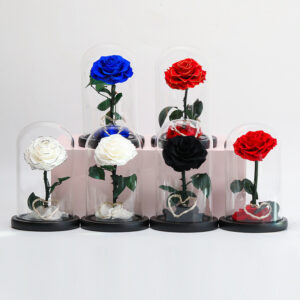
Fresh floral bouquets remain the dominant single item for the holiday. Yet fresh flowers present distinct logistics hurdles: short shelf life, cold-chain dependencies, and high shrink rates. In response, modern retail assortments are expanding to include complementary floral concepts.
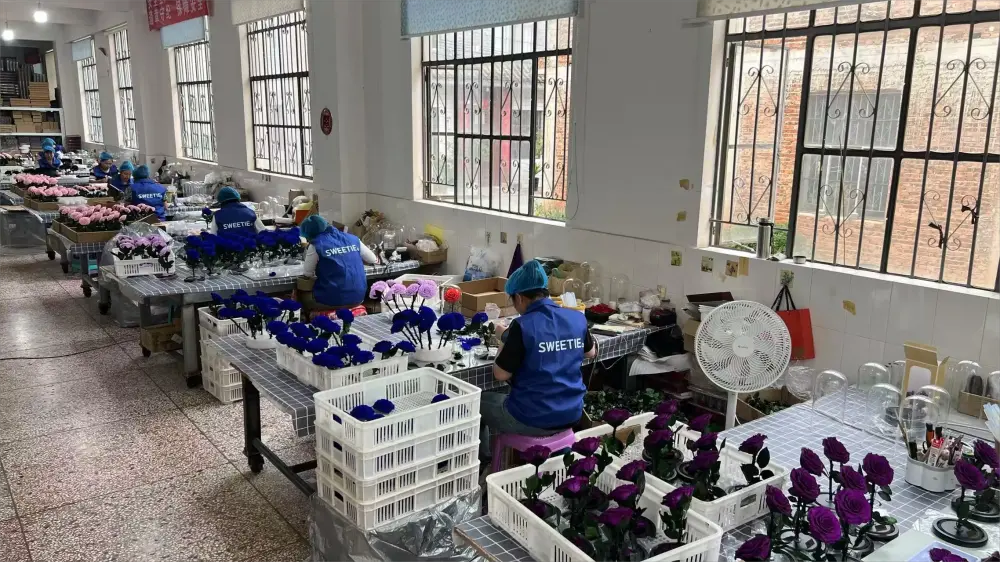
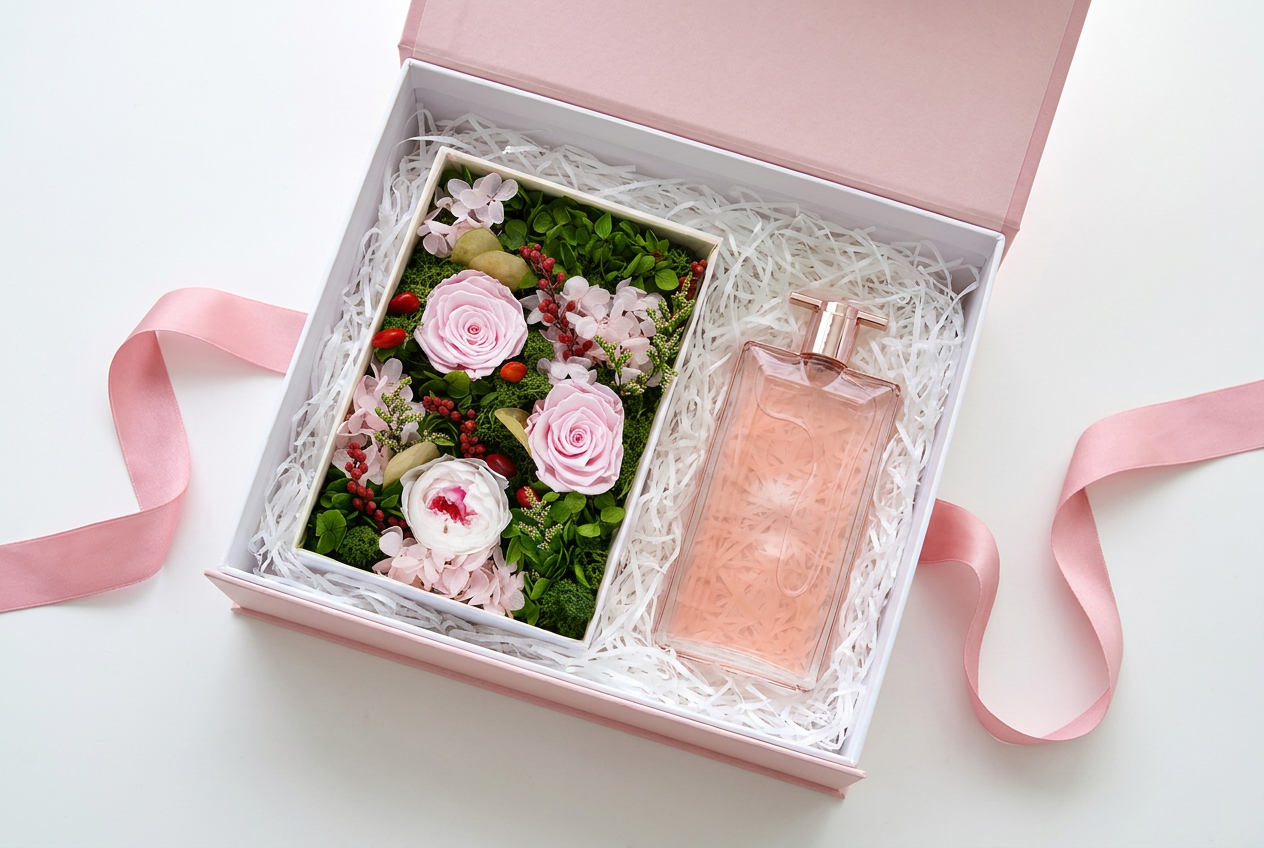
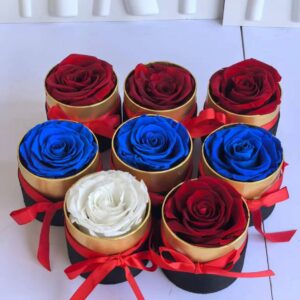
Artisanal preserved florals, botanicals in glass cloches, and decorative soap flower arrangements provide visual appeal with zero spoilage risk. Retailers can also leverage digital tools like Sweetie AI to explore floral gift choices tailored by channel, budget tier, and holiday timing to streamline initial collection planning. Blending fresh inventory with long-lasting floral keepsakes allows retailers to capture early-bird gift buyers without inventory decay.

Everyday Fine Jewelry and Wearable Keepsakes
Jewelry remains a high-value staple, but modern consumer preferences lean away from heavy, formal pieces. High-performing retail lines focus on:
- Minimalist gold and silver vermeil suitable for daily wear.
- Modular charm pieces and birthstone accents that symbolize family bonds.
- Hypoallergenic, skin-safe materials with clean, timeless silhouettes.
Clean Beauty and Elevated Fragrance
In the beauty aisle, generic bath sets are being replaced by elevated home fragrance and functional body care. Scent profiles featuring soft cedarwood, white tea, neroli, and lavender outperform overly synthetic fragrances. Focus on elegant packaging that looks beautiful on a vanity and incorporates nourishing ingredients.
Planning your 2027 Mother’s Day gift range? Email inquiry@sweetie-group.com to discuss wholesale floral gifts, customization, packaging, and suitable products for your retail market.
High-Growth Concepts: Genuine Wellness, Rest, and Curated Bundles
Beyond traditional staples, the fastest-growing Mother’s Day consumer gift trends center around practical wellness and ready-made gifting solutions.
Tangible Self-Care and Rest
Modern mothers frequently cite personal time and relaxation as their most coveted gifts. Retail assortments should reflect this by offering physical products that cultivate a calming environment at home:
| Sub-Category | Key Product Focus | Shopper Appeal |
|---|---|---|
| Sleep & Recovery | Mulberry silk pillowcases, contoured sleep masks, weighted lap blankets | Promotes physical rest and restorative sleep |
| Aromatherapy | Ceramic waterless diffusers, clean-burning soy candles, linen mists | Creates an immediate spa-like atmosphere at home |
| Body Relaxation | Mineral bath soaks, acupressure neck wraps, botanical massage oils | Offers accessible, low-effort stress relief |
Gourmet Treats and Shared Indulgence
Consumable luxury provides a dependable gifting option across all price points. High-margin concepts include single-origin tea samplers, artisan confection assortments, single-estate olive oils, and specialty honey sets. Pairing food items with reusable kitchenware—such as a gourmet preserve jar paired with a brass serving spoon—increases perceived value.
Thematic, Ready-to-Gift Bundles
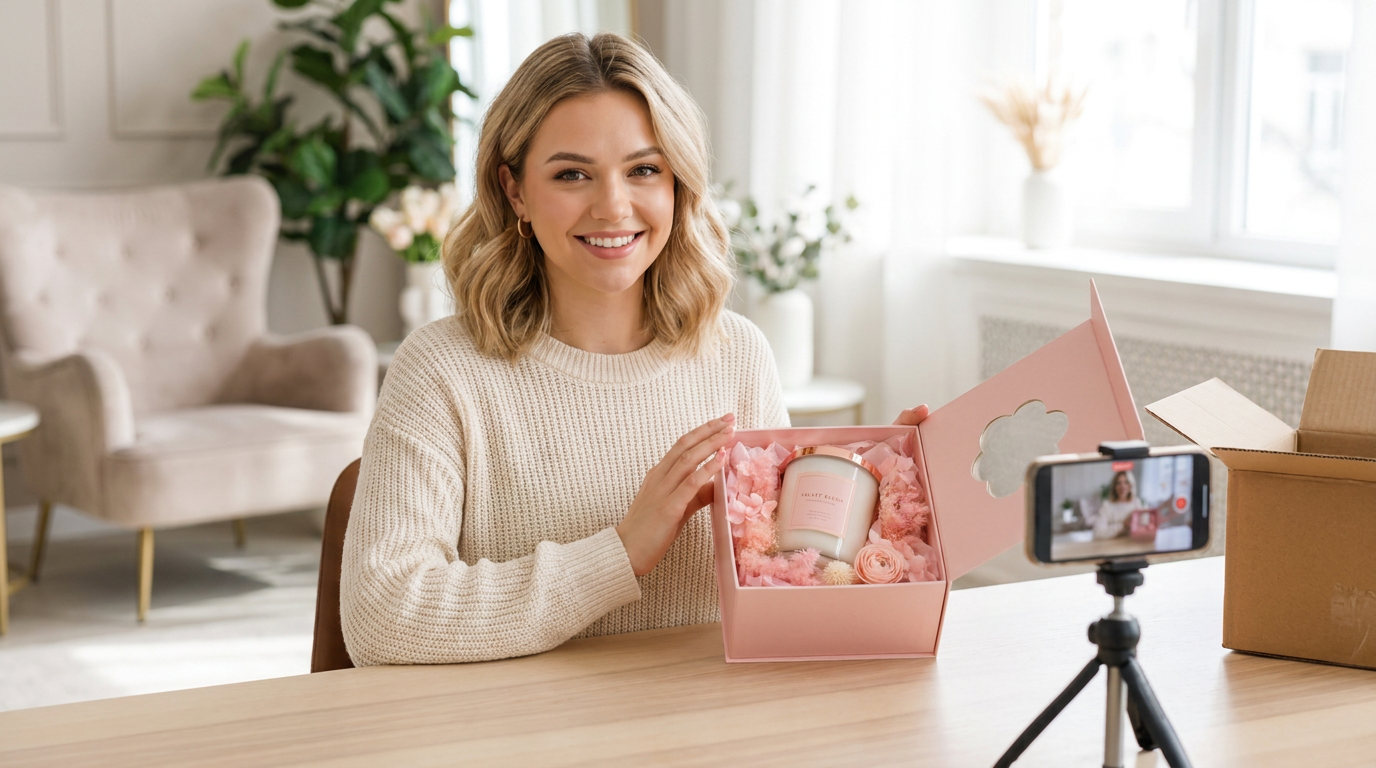
Curated gift boxes solve the buyer’s need for convenience while driving higher average order values (AOV). Successful wholesale Mother’s Day gift ideas 2027 combine complementary items across categories into unified color palettes. A cohesive box containing a floral ceramic mug, specialty herbal tea, a botanical candle, and a matching greeting card delivers an effortless, premium gifting experience.
Personalization and Creative Keepsakes: Moving Beyond Generic Gifts
Personalization continues to be a primary differentiator in retail merchandising. However, shoppers are increasingly wary of poorly manufactured, generic custom items. The focus for 2027 is on subtle, tasteful personalization.
- Customizable Typography: Offering initials, meaningful dates, or subtle embroidered monograms on linen robes, canvas totes, and cosmetic cases.
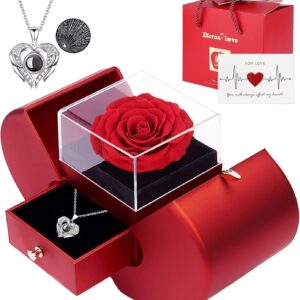
- Interchangeable Keepsakes: Floating locket jewelry, modular photo frames, and customized botanical shadow boxes that allow recipients to update memories over time.
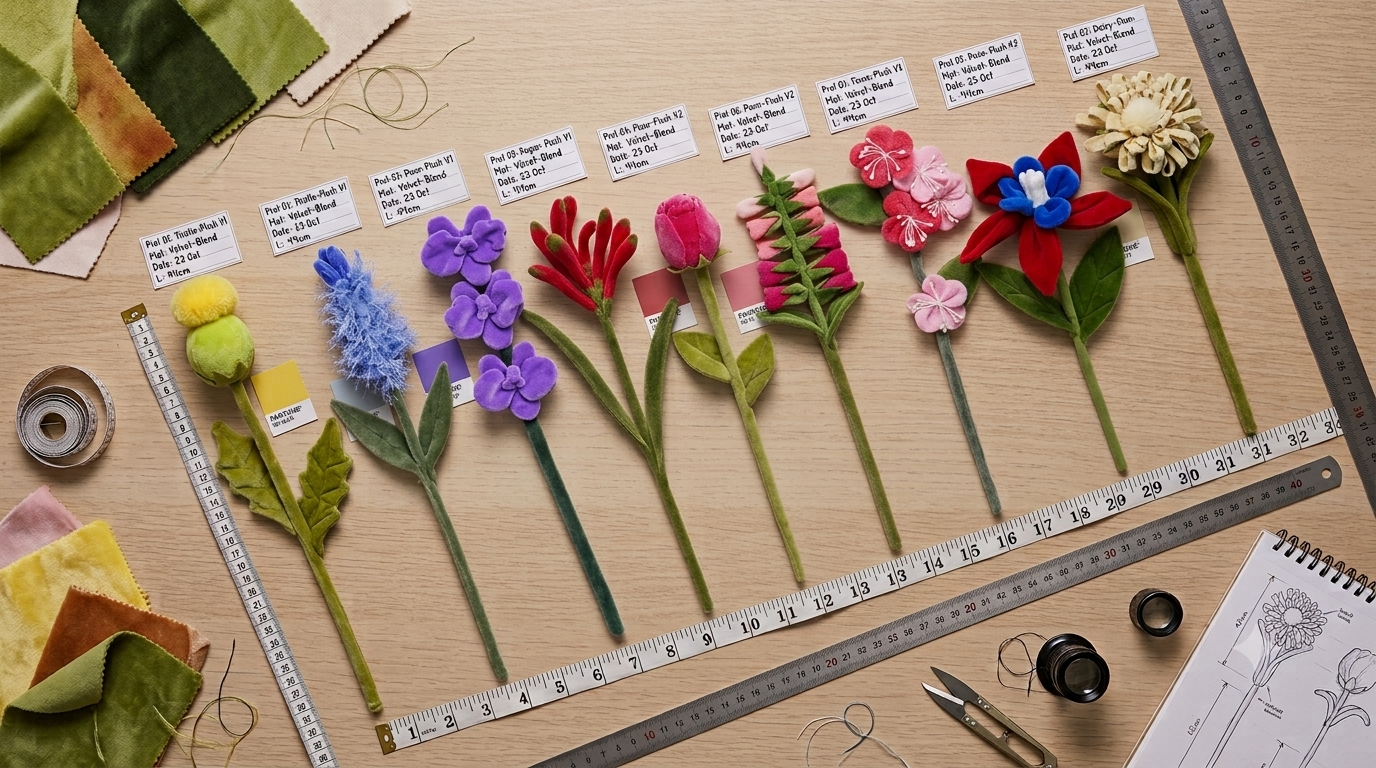
- Handcrafted and Artisanal Finishes: Hand-poured ceramics, hand-painted floral vessels, and woven textiles that carry an artisanal feel. Shoppers value visible craftsmanship that feels distinctive rather than mass-produced.
- Playful and Sentimental Touchpoints: Thoughtful prompt journals, customized recipe preservation tins, and heirloom garden tool sets designed for shared family activities.
When executing Mother’s Day retail assortment planning, ensure your supply chain can deliver personalized options without ballooning fulfillment times during the peak April shipping window.

Regional Demand Differences: Navigating the US, Europe, and Asia
Mother’s Day is celebrated with varying traditions, spending habits, and dates across global markets. For brands selling internationally or regional retailers catering to local demographics, localization is vital.
The United States: High AOV and Experiential Gifting
In the US, Mother’s Day (celebrated on May 9, 2027) represents a massive retail event characterized by higher average spend per recipient. Experiential gifts, fine jewelry, high-end floral displays, and spa gift certificates lead sales. Bundling physical products with experiential themes (such as a floral afternoon tea set) resonates strongly with American shoppers.
Germany and the Netherlands: Practicality and Botanical Heritage
Also falling on May 9, 2027, Mother’s Day in Germany (Muttertag) and the Netherlands (Moederdag) emphasizes thoughtful, functional, and nature-inspired gifts. German shoppers prioritize durable quality, certifications, and sustainable packaging. In the Netherlands, where floral traditions run deep, expectations for botanical aesthetics and high-quality floral gifts are exceptionally high. Understated elegance and practical utility outperform ostentatious packaging in both markets.
Japan: Premium Presentation and Gourmet Confections
Japan celebrates Mother’s Day (Haha no Hi) on May 9, 2027. Traditional red carnations remain deeply symbolic, but consumer demand has broadened to include premium seasonal fruits, artisan wagashi sweets, delicate skincare, and compact decorative items suited for urban living spaces. Flawless packaging, exquisite wrapping, and pristine presentation are non-negotiable for Japanese retail buyers.
South Korea: Parents’ Day Alignment
In South Korea, May 8 is celebrated as Parents’ Day (Ebeoinal), honoring both mothers and fathers jointly. High-demand items focus on health supplements (such as red ginseng), practical monetary gifts presented in creative floral boxes, and premium wellness products. Retailers targeting this market should curate balanced, respectful gift packages tailored to joint parental gifting.
Practical Assortment Planning and Inventory Strategy for B2B Buyers
Executing a profitable Mother’s Day campaign requires rigorous inventory discipline, structured timing, and clear margin analysis. Below is a structured timeline to guide wholesale purchasing and merchandising cycles:
- Q3–Q4 (Preceding Year): Analyze previous year sell-through data. Identify category gaps, finalize vendor partnerships, and lock in core wholesale orders for packaging, preserved floral components, and durable goods.
- January–February 2027: Confirm production milestones and inspect pre-shipment samples. Begin digital catalog setup, photography staging, and B2B pre-booking for corporate and early retail orders.
- March 2027: Land domestic freight and complete warehouse receiving. Quality check pre-packaged gift sets and assemble seasonal marketing collateral.
- April–Early May 2027: Launch omnichannel promotional campaigns. Maintain a buffer of versatile, quick-turn items (such as curated gift boxes and boxed floral decor) to capture late-season consumer surges without risking excess perishable stock.
Pricing Architecture and Margin Optimization
To maximize sell-through across diverse customer budgets, structure your Mother’s Day retail assortment into three distinct price tiers:
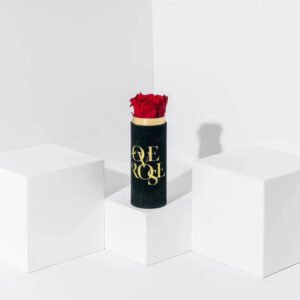
- Entry Tier (15–15–35): Impulse add-ons, artisan hand creams, boxed single preserved stems, and specialty greeting cards located near checkout counters.
- Core Mid Tier (40–40–85): Curated self-care gift sets, fine ceramic planters, silk sleep sets, and minimalist jewelry. This tier typically drives the largest transaction volume.
- Premium Tier (90–90–200+): Elaborate keepsake gift hampers, luxury preserved floral arrangements, and heirloom jewelry sets designed for high-value gifting.
By building an evidence-based product matrix that respects regional differences and addresses genuine consumer motivations, retail merchandisers can deliver a compelling, high-margin Mother’s Day collection in 2027.
Ready to finalize your seasonal assortment? Contact inquiry@sweetie-group.com to explore comprehensive wholesale floral collections, tailored packaging solutions, and high-margin product options for your retail stores.