A retail promotion can have a great concept, an attractive design, and a generous budget, yet still disappoint when the products arrive too late, the packaging does not fit the store, or the promotional gift fails to appeal to shoppers. A marketing plan only creates value when it works in the real retail environment.
This is where a Trade Marketing Manager comes in.
In my experience in the floral and gift industry, the success of a promotional product depends on more than its appearance. It needs to suit the target customer, retail channel, price point, packaging requirements, and campaign schedule. These details are closely connected to the work of trade marketing teams.
So, what is a Trade Marketing Manager, and what does this person actually do? Let’s look at the role, its key responsibilities, and how the right product partners can help turn marketing plans into retail results.
1. What Is a Trade Marketing Manager?
A Trade Marketing Manager is responsible for developing and coordinating marketing strategies that help brands improve product performance through retail and distribution channels.
The role connects brand objectives with the needs of retailers, distributors, and shoppers. Its purpose is to make products more visible, attractive, and accessible in the places where customers make purchasing decisions.
While brand marketing focuses on building consumer awareness and preference, trade marketing focuses on activating that demand through retail channels.
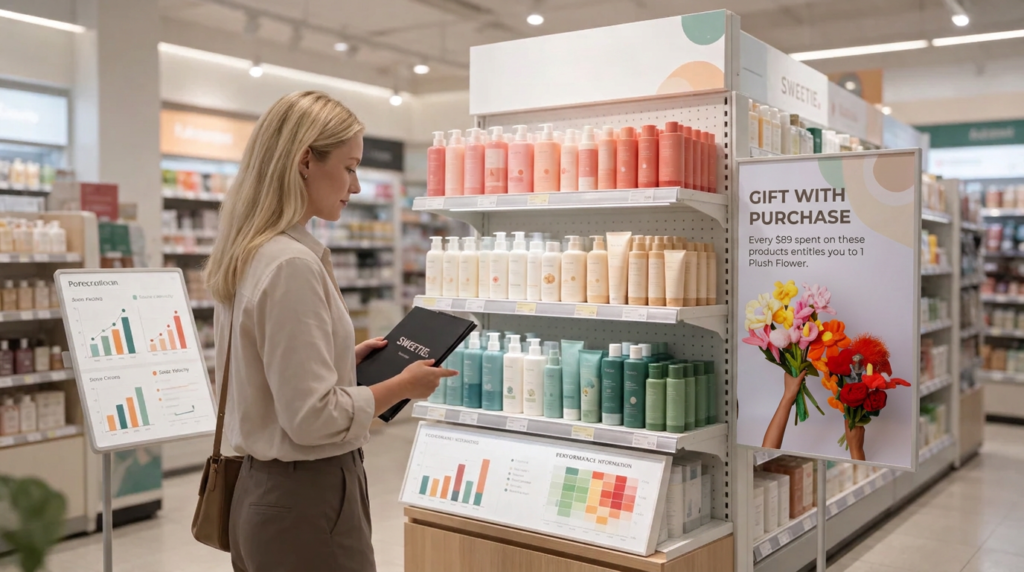
For example, imagine a beauty brand preparing a Mother’s Day promotion. The brand marketing team may create the campaign theme and advertising message. The Trade Marketing Manager works with retail partners to decide which products to feature, how the promotion should appear in stores, whether a gift-with-purchase offer is appropriate, and what promotional materials need to be ready.
In short, the Trade Marketing Manager helps connect the marketing idea with the products, retailers, and activities needed to execute it.
Looking for a product partner for your next trade marketing campaign? Contact us at inquiry@sweetie-group.com to discuss your campaign concept, product requirements, customization, and sourcing needs.
2. What Are the Main Responsibilities of a Trade Marketing Manager?
The exact responsibilities vary by company, industry, and sales channel, but most Trade Marketing Managers work across five key areas.
Retail marketing strategy
Trade Marketing Managers develop channel-specific plans that support both brand objectives and retailer needs. A supermarket, department store, specialty gift shop, and e-commerce platform may serve very different customers, so they should not necessarily receive the same product assortment or promotional approach.
Typical activities include product selection, retail campaign calendars, promotional planning, channel-specific marketing materials, and coordination with sales teams.
Promotional campaign planning
Trade marketing teams organize campaigns around occasions such as Valentine’s Day, Mother’s Day, Christmas, Easter, product launches, and other important retail periods.
Promotional activities may include discounts, product bundles, limited-edition collections, samples, gift-with-purchase offers, and customized merchandise.
The right offer depends on the campaign objective. Sometimes a discount is effective; in other cases, a thoughtful gift can create a stronger impression without relying entirely on price reductions.
In-store merchandising and product visibility
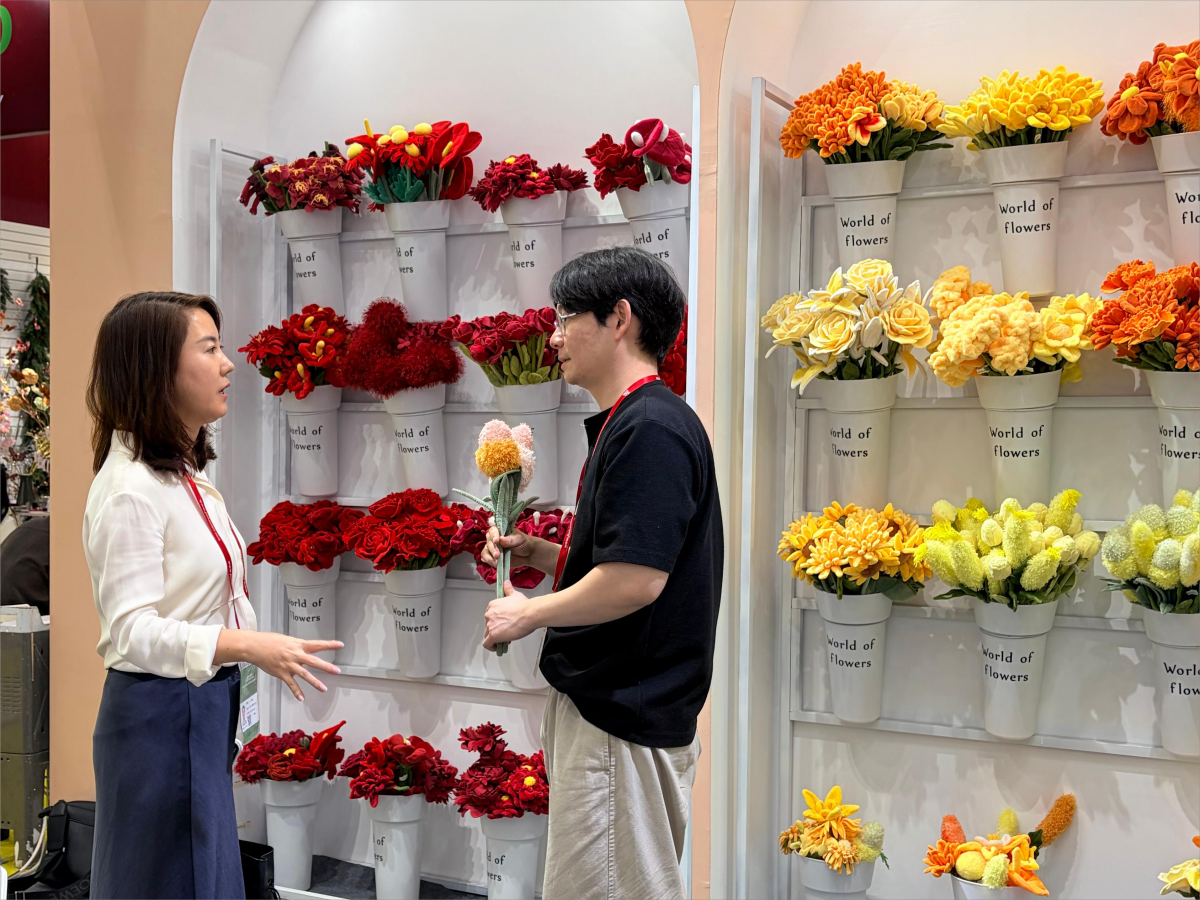
A product needs to be seen before it can be purchased. Trade Marketing Managers work with retail partners to improve product presentation through shelf placement, promotional displays, endcaps, countertop displays, packaging, and point-of-sale materials.
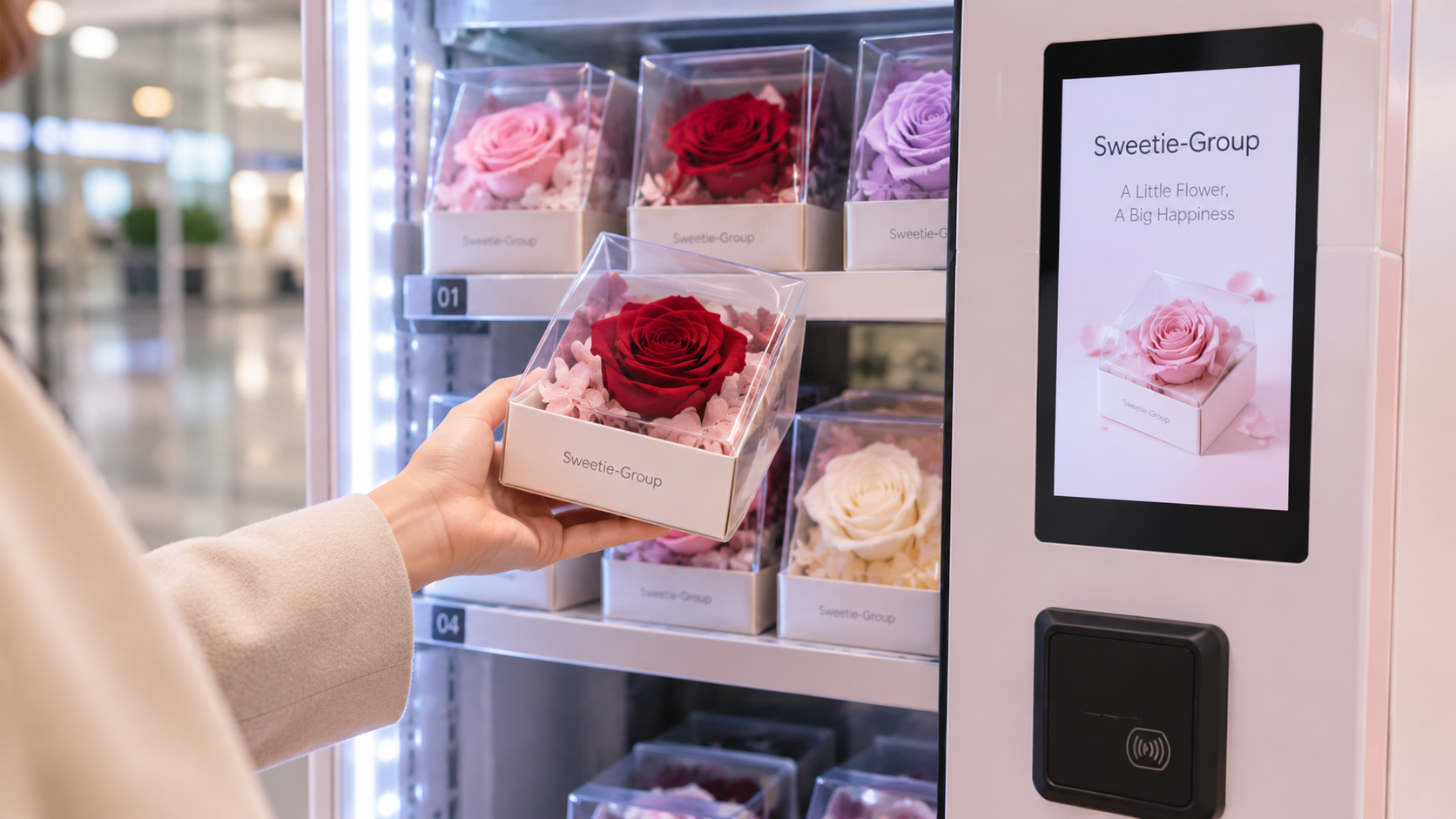
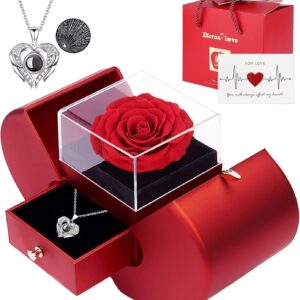
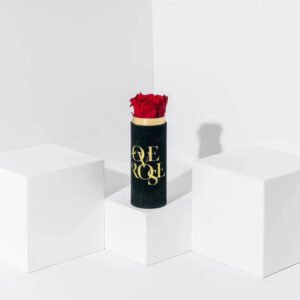
For gift products, presentation is particularly important. A preserved rose in a glass dome, for example, may be more appealing when displayed as a ready-to-give gift with clear occasion-based messaging rather than presented as an ordinary decorative item.
Shopper and market insights
Trade Marketing Managers need to understand who buys a product, why they buy it, and what influences their decisions.
Important considerations include shopper profiles, price expectations, seasonal demand, competitor activity, product presentation, and local retail habits.
Market differences also matter. Buyers in Europe, North America, Australia, Japan, South Korea, and the Middle East may have different expectations for gift design, packaging, pricing, and seasonal promotions. These differences should be verified through local market research and retailer feedback rather than treated as fixed assumptions.
Cross-functional and supplier coordination
Trade marketing involves more than the marketing department. Managers often collaborate with sales, product development, procurement, operations, logistics, and external suppliers.
When a campaign requires customized gifts or promotional merchandise, early supplier involvement can help clarify product feasibility, target costs, sampling schedules, packaging requirements, and production lead times.
A good campaign idea is important. Making sure the right product arrives in the right condition at the right time is equally important.
Looking for a product partner for your next trade marketing campaign? Contact us at inquiry@sweetie-group.com to discuss your campaign concept, product requirements, customization, and sourcing needs.
3. Trade Marketing vs. Brand Marketing vs. Sales
These three functions work closely together, but each has a different focus.
| Area | Brand Marketing | Trade Marketing | Sales |
|---|---|---|---|
| Main purpose | Build brand awareness and preference | Improve performance through retail channels | Generate revenue and manage customer accounts |
| Main focus | Brand image and consumer demand | Retail promotions, shopper activation, and product visibility | Orders, negotiations, and customer relationships |
| Typical activities | Advertising, content, brand campaigns | In-store displays, channel promotions, retail planning | Account management, pricing, and sales agreements |
| Common KPIs | Awareness, reach, engagement | Sell-through, promotional uplift, display execution | Revenue, order volume, customer growth |
Consider a brand launching a new gift collection. Brand marketing develops the campaign message, sales works with retailers to secure distribution and orders, and trade marketing coordinates the retail promotion, product presentation, and shopper-facing activities.
A product manufacturer or sourcing partner may support the project by developing customized gifts and packaging that fit the campaign.
The three functions are different, but they need to work together.
4. What Skills Does a Trade Marketing Manager Need?
A successful Trade Marketing Manager combines marketing knowledge with commercial judgment and practical execution skills.
Commercial and analytical skills are essential because managers need to understand sales performance, promotional costs, product margins, and campaign returns. They should be comfortable reviewing data and using it to improve future plans.
Retail and shopper understanding helps managers select suitable products and promotional formats for different channels. A compact, affordable gift may work well in a supermarket, while a more elaborate gift box may be better suited to a premium gift retailer.
Project management and communication are equally important. Campaigns involve multiple teams, approval stages, and deadlines. Clear specifications and timely communication can prevent misunderstandings and costly delays.
Creativity and product thinking help managers develop promotions that give shoppers a reason to notice and purchase a product. This might involve a seasonal gift set, a limited-edition package, or a customized promotional item.
Finally, supplier and supply chain awareness helps managers understand minimum order quantities, sampling, production schedules, packaging, quality inspection, and delivery requirements. They do not need to manage a factory themselves, but they should know which questions to ask before confirming an order.
5. How Is Trade Marketing Performance Measured?
Trade marketing performance should be measured by business results, not simply by the number of campaigns launched or displays installed.
Common KPIs include:
Sell-through rate
Sell-through measures how much of the inventory supplied to a retailer has been sold to customers during a specific period.
Sell-through rate = Units sold ÷ Units received × 100%
For example, if a retailer receives 1,000 units and sells 700, the sell-through rate is 70%.
Promotional sales uplift
This measures the increase in sales during a promotion compared with an established baseline.
Promotional uplift = (Promotional sales − Baseline sales) ÷ Baseline sales × 100%
The baseline should account for factors such as seasonality, stock availability, and changes in distribution.
Promotional ROI
Promotional ROI helps evaluate whether the incremental profit generated by a campaign justifies its cost.
Promotional ROI = (Incremental profit − Campaign cost) ÷ Campaign cost × 100%
Campaign costs may include discounts, promotional merchandise, display production, and additional logistics.
Product availability and display execution
Other useful measures include on-shelf availability, distribution coverage, out-of-stock frequency, and display compliance.
For new products, managers may also monitor initial sell-through, retailer feedback, and repeat orders. A successful launch is encouraging, but continued demand is what makes a product commercially sustainable.
6. How to Plan a Successful Trade Marketing Campaign
A practical trade marketing campaign should begin with a clear objective and move through a manageable series of decisions.
- Define the objective. Decide whether the campaign is intended to increase sales, introduce a new product, improve category visibility, attract shoppers, or reward existing customers.
- Understand the retail channel. Review the target shopper, retailer requirements, price expectations, available display space, and seasonal purchasing patterns.
- Choose the product and promotional format. Decide whether a standard product, customized gift, product bundle, or gift-with-purchase offer is most appropriate.
- Coordinate with suppliers early. Share the product concept, target quantity, budget, customization requirements, packaging expectations, and delivery deadline.
- Review samples and production details. Check product appearance, workmanship, color consistency, logo placement, packaging protection, and relevant product documentation before approving mass production.
- Monitor execution and results. Track product availability, campaign performance, retailer feedback, and sales results to identify improvements for future activities.
For customized products, the earlier the supplier joins the discussion, the more time there is to adjust the design, materials, packaging, and production plan.
7. How the Right Product Partner Supports Trade Marketing Managers
Not every company has the internal resources to develop and manufacture its own promotional gifts. This is why Trade Marketing Managers may work with external product development and sourcing partners.
A good partner should understand more than the order quantity. It should be able to discuss the campaign objective, target market, product positioning, budget, packaging, and production schedule.
When evaluating a supplier, consider these questions:
- Can the supplier develop products based on a campaign brief?
- Can it customize product designs, colors, logos, and packaging?
- Can it provide samples before mass production?
- Does it have a clear quality inspection process?
- Can it support the required quantity and delivery schedule?
- Can it provide relevant product documents and testing information for the destination market?
The lowest unit price is not always the best choice. Product consistency, packaging protection, communication, and delivery reliability can have a much greater effect on the final campaign.
How floral gifts can support retail campaigns
Floral gifts are worth considering when a campaign needs an emotional, decorative, or occasion-based product.
Different categories can serve different purposes:
| Product category | Possible campaign application |
|---|---|
| Preserved flower gifts | Premium promotions, VIP gifts, seasonal campaigns |
| Rose bears and rose animals | Valentine’s Day, gift retail, seasonal displays |
| Soap flower gifts | Corporate gifts, promotional sets, seasonal retail |
| Plush flowers | Lifestyle retail, themed campaigns, brand activations |
| Crochet flowers | Boutique gift collections, seasonal merchandise, customized gifts |
The best choice depends on the shopper, channel, target price, and campaign message. Packaging also needs attention, particularly for products that will be shipped internationally or sold through e-commerce channels.
Sweetie Group: A Product and Sourcing Partner for Trade Marketing Managers
At Sweetie Group, we see ourselves as a product development and sourcing partner for Trade Marketing Managers. Our role is to help turn campaign ideas into suitable floral gifts and customized merchandise, while supporting the practical requirements of product development and production.
With more than 16 years of experience in the floral gift industry, Sweetie specializes in the design, development, production, and sales of floral products. Our product range includes preserved flower gifts, rose bears and rose animals, soap flowers, plush flowers, crochet flowers, and related customized gift solutions.
For B2B projects, our support can include:
- Product selection based on the target market and campaign concept
- OEM and ODM product development
- Customized colors, designs, and logo applications
- Retail and e-commerce packaging options
- Sample development and design adjustments
- Production coordination and quality control
For example, a Trade Marketing Manager planning a Mother’s Day campaign might need a gift-with-purchase product that looks attractive, fits a specific budget, and can be delivered before the retail launch. We can discuss whether a preserved flower box, soap flower bouquet, or another customized gift format would better suit the project.
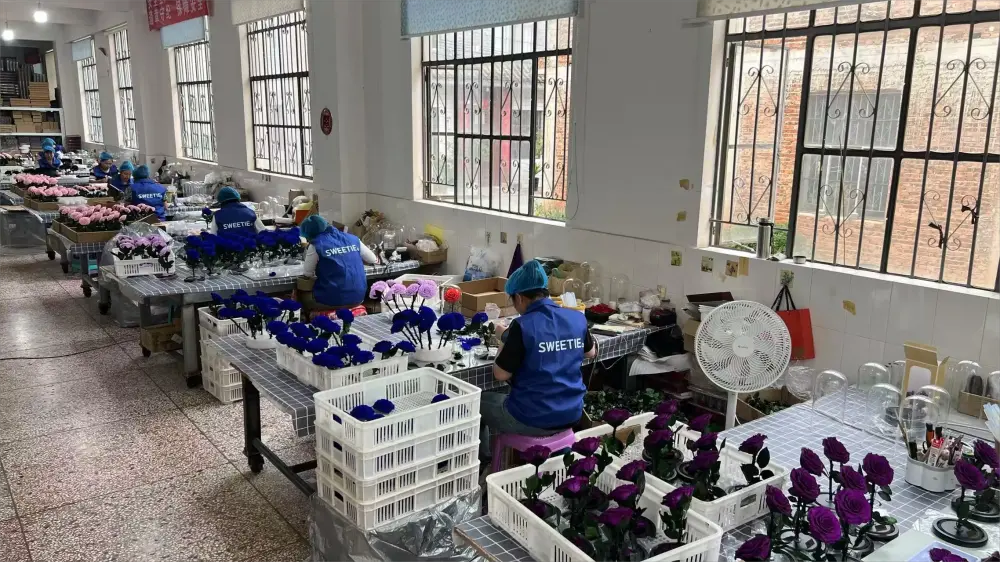
Sweetie Group operates a preserved flower factory in Kunming and works with a network of long-term manufacturing partners in Yiwu for categories such as rose bears, soap flowers, plush flowers, and crochet flowers. Our Beijing R&D center supports product design and development.
We export to more than 50 countries and work with international B2B customers, including importers, wholesalers, online stores, and retail businesses. For global retail projects, we also work through local importers and sourcing partners.
We understand that a promotional product is only one part of a larger marketing plan. It must meet the campaign’s design expectations, budget, quality requirements, and delivery schedule. That is why we believe supplier communication and product development should begin early.
Conclusion: Connecting Marketing Strategy with the Right Products
A Trade Marketing Manager connects a brand’s marketing objectives with the practical needs of retail channels. The role involves retail planning, promotions, merchandising, shopper insights, supplier coordination, and performance measurement.
The best results come when the campaign concept, product, retailer, and target shopper all fit together. That takes good planning, clear communication, and reliable partners.
At Sweetie Group, we aim to support Trade Marketing Managers with floral gifts, customized merchandise, and product development solutions that can fit different retail and promotional projects.
If you are planning a seasonal campaign, gift-with-purchase program, corporate gift project, or customized retail promotion, we would be happy to discuss your requirements.
Contact us at inquiry@sweetie-group.com to share your product ideas, target market, estimated quantity, and campaign timeline.
Frequently Asked Questions
1. What does a Trade Marketing Manager do?
A Trade Marketing Manager develops and coordinates marketing activities that help brands improve performance through retail and distribution channels. Responsibilities include retail promotions, merchandising, shopper insights, supplier coordination, and campaign evaluation.
2. What is the difference between trade marketing and brand marketing?
Brand marketing focuses on building brand awareness and consumer preference. Trade marketing focuses on activating demand through retail channels with promotions, product visibility, merchandising, and retailer collaboration.
3. What skills should a Trade Marketing Manager have?
Important skills include commercial analysis, retail knowledge, shopper understanding, project management, communication, budget planning, and supplier coordination.
4. What are the most common trade marketing KPIs?
Common KPIs include sell-through rate, promotional uplift, promotional ROI, product availability, distribution coverage, display compliance, and repeat-order performance.
5. Why do Trade Marketing Managers work with product suppliers?
External suppliers can support product development, customization, packaging, sampling, and manufacturing. They help marketing teams turn campaign concepts into physical products that meet brand and retail requirements.
6. Can floral gifts be used in trade marketing campaigns?
Yes. Depending on the campaign and target market, preserved flower gifts, rose bears, soap flowers, plush flowers, and crochet flowers can be considered for seasonal promotions, gift-with-purchase programs, corporate gifts, and retail activations.
Annie Zhang