A gift hamper filled with chocolates, cookies, and tea is a familiar choice. But when customers can find similar combinations from several retailers, what makes one hamper worth choosing over another?
For gift hamper businesses, adding new products isn’t simply about making a box look fuller. Every item affects the cost, packaging, shipping, and overall customer experience. An attractive product can quickly become a problem if it takes up too much space, breaks during delivery, or adds little value to the gift.
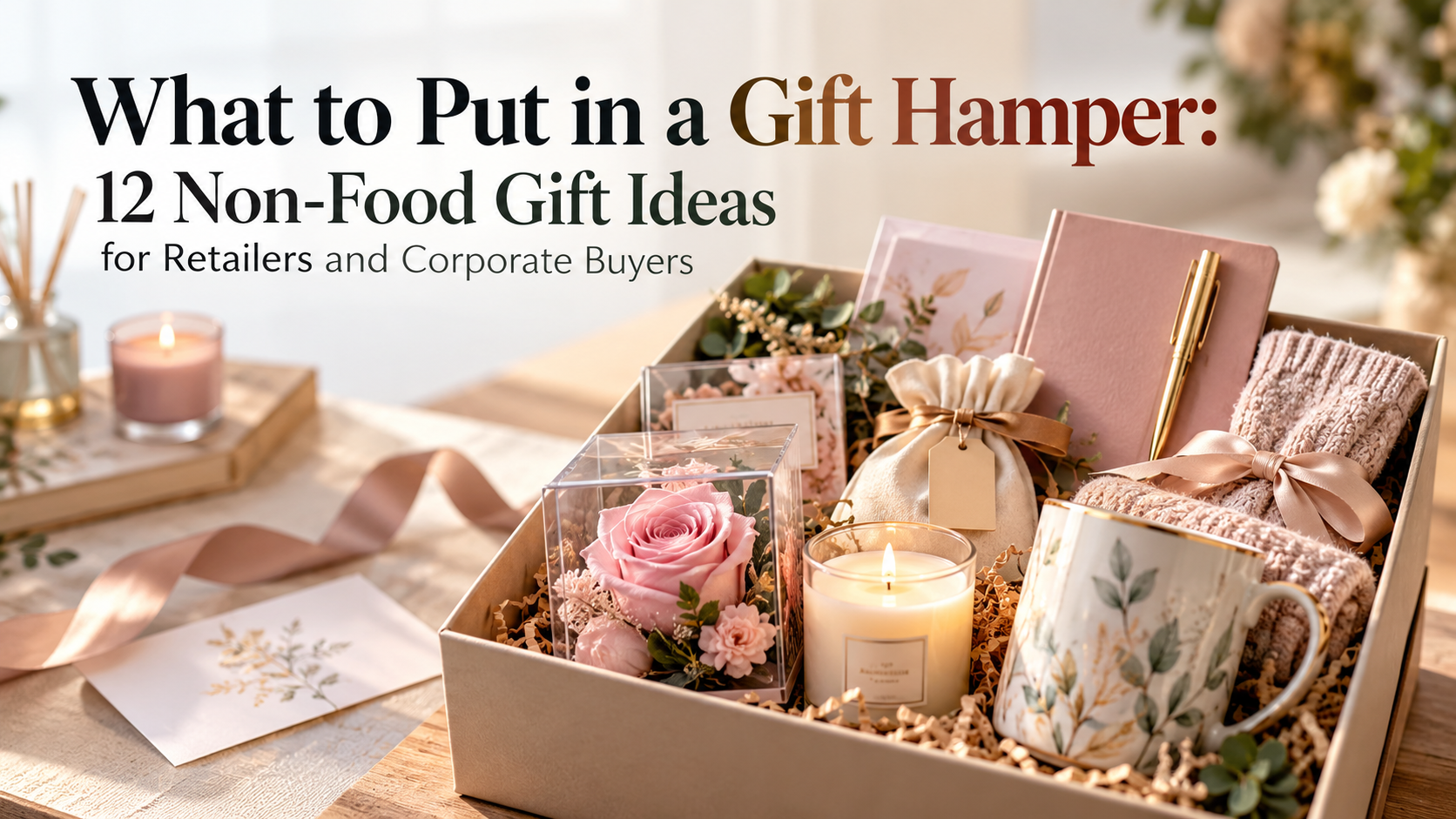
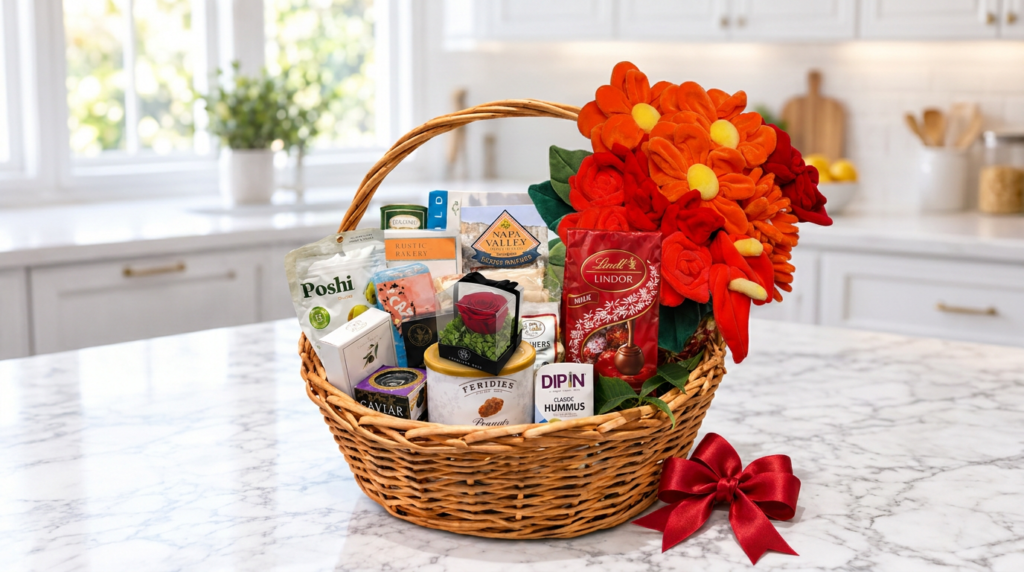
Good non-food gift hamper ideas include preserved flowers, plush and crochet flowers, scented candles, skincare products, reusable mugs, stationery, comfort accessories, small home decorations, fashion accessories, and personalized keepsakes. The right combination depends on the recipient, occasion, target selling price, and delivery method.
This guide covers 12 non-food gift categories worth considering, with practical advice for retailers, corporate gift suppliers, and curated gift box businesses sourcing products in bulk.
Why Add Non-Food Gifts to a Gift Hamper?
Food remains a strong foundation for many gift hampers, especially Christmas hampers, gourmet collections, and traditional corporate gifts.
Non-food products can serve a different purpose.
A candle can become part of someone’s evening routine. A reusable mug may be used every morning. A small preserved flower arrangement can remain on a desk or shelf after the chocolates have been eaten.
These additions can also help retailers develop collections for occasions such as Mother’s Day, birthdays, employee appreciation, and housewarming.
However, not every hamper needs a non-food item. A premium gourmet hamper may already offer everything its customers expect. Adding an unrelated product could increase costs without improving the gift.
The goal is to choose something that contributes to the experience, rather than simply taking up space.
12 Non-Food Gift Ideas for Gift Hampers and Gift Boxes
There is no single product combination that works for every market or customer. Some items are particularly useful for corporate gifting, while others fit personal occasions or lifestyle collections.
The following 12 categories offer different ways to build a non-food selection.
1. Mini Preserved Flower Gifts
Preserved flowers are real flowers that have undergone a preservation process. They do not need watering, but should be kept away from direct sunlight, high humidity, and unsuitable storage conditions.
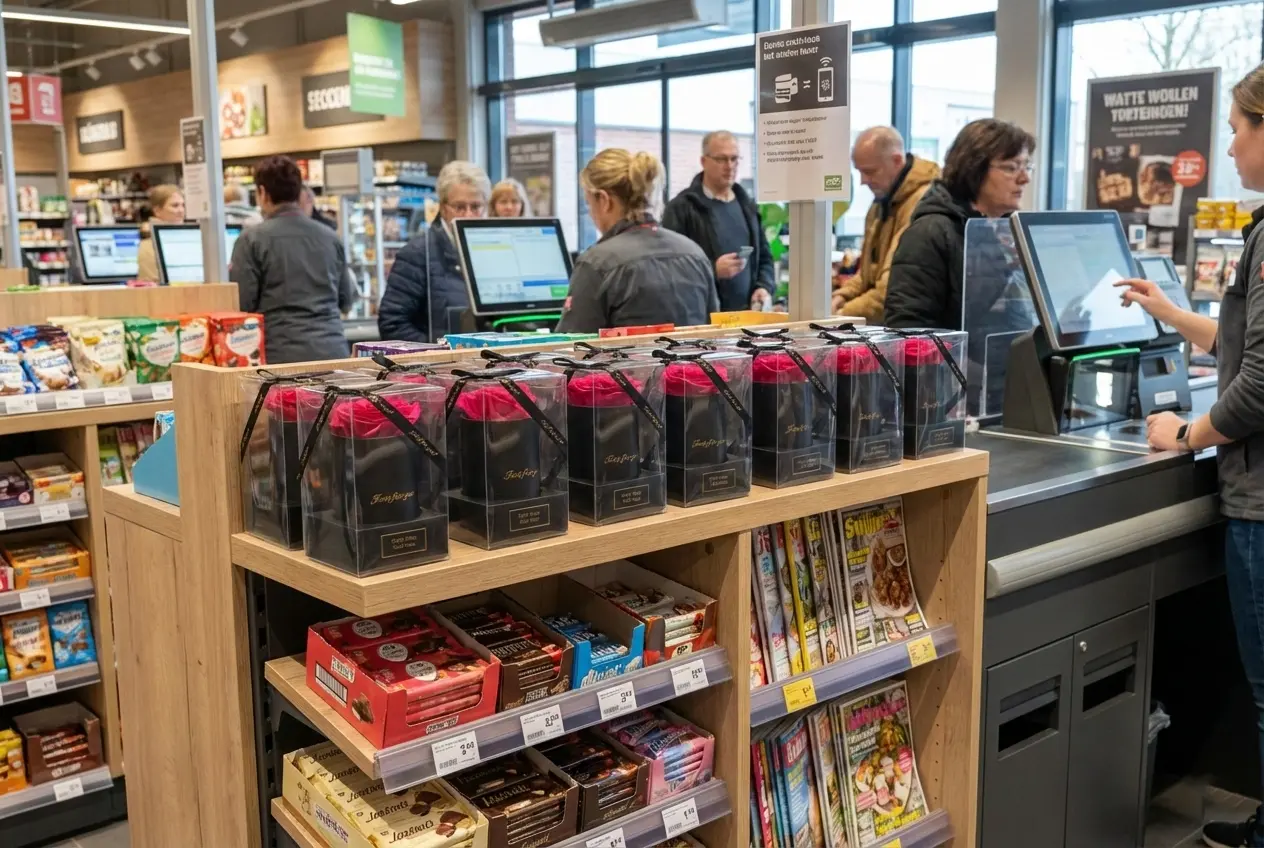
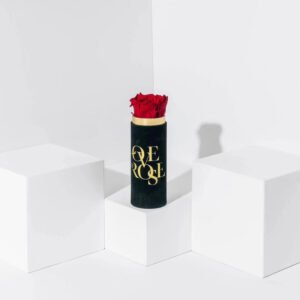
For gift hampers, compact arrangements are usually more practical than large floral displays. A single preserved rose in a small presentation box may fit beside chocolates, skincare products, or a candle.
Large glass-domed arrangements, although attractive as standalone gifts, can be difficult to incorporate into standard hampers because of their size and need for protective packaging.
Mini preserved flower gifts are worth considering for Mother’s Day, thank-you gifts, premium birthdays, and selected corporate appreciation collections.
For buyers: Check the fully packed dimensions, flower protection, color consistency, and whether the product can be securely positioned inside the hamper.
2. Plush and Crochet Flowers
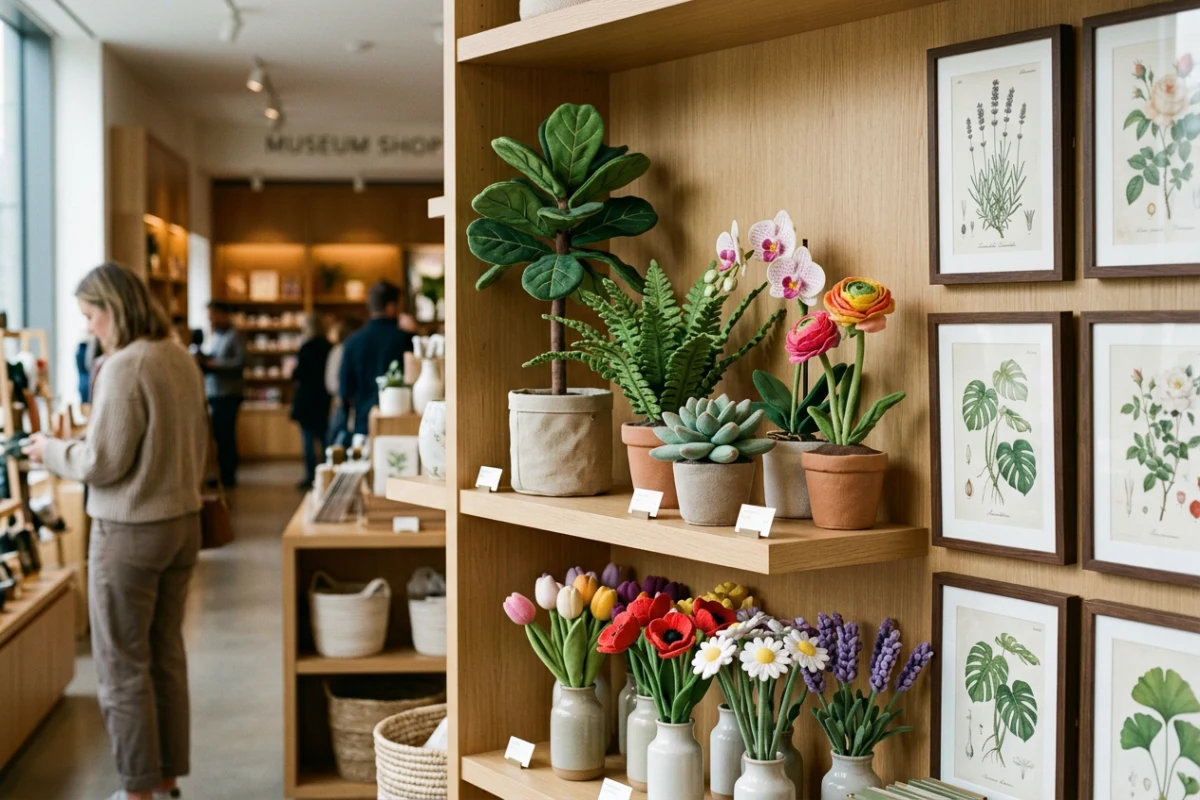
Plush and crochet flowers offer a softer, more playful alternative to traditional floral arrangements.
Plush flowers are made from fabric and soft filling materials, while crochet flowers use yarn and crocheted structures. Depending on their design, they can suit friendship gifts, birthdays, comfort-themed hampers, and lifestyle gift boxes.
For example, a small crochet tulip could be paired with a notebook, tea, and a greeting card. A soft plush flower might work in a birthday hamper alongside socks, sweets, or other cheerful accessories.
The main challenge is choosing a suitable size. Long stems and oversized flower heads can take up valuable packaging space.
For mixed gift boxes, compact designs or individually packaged blooms are often easier to arrange.
Buyers should examine stitching, materials, shape consistency, and any applicable safety requirements. A product intended as decorative merchandise may face different requirements from one marketed as a children’s toy.
3. Scented Candles
Scented candles are a familiar component of self-care and home-themed gift hampers.
They work particularly well with bath products, tea, chocolates, and comfort accessories. A candle can help establish a clear theme, such as a relaxing evening at home.
For corporate hampers, neutral designs and broadly appealing fragrances may be easier to distribute to recipients with different preferences.
There are also practical limitations. Glass jars add weight and need protection, while strong fragrances may not be suitable for every recipient or hamper combination.
Before purchasing candles in bulk, buyers should review fragrance options, product labeling, container materials, and packaging requirements.
4. Bath and Body Care Products
Hand creams, bath salts, lotions, shower products, and facial masks are common choices for pamper hampers.
They give recipients products they can use while helping retailers build collections around relaxation and personal care.
A Mother’s Day hamper, for example, might combine hand cream, a candle, and a small decorative keepsake.
The products should complement one another rather than duplicate the same function. Including several similar lotions may not add as much value as offering a thoughtful mix of skincare and other accessories.
For wholesale orders, check product authenticity, ingredient labeling, shelf life, leakage prevention, and destination-market cosmetic requirements.
5. Mugs and Reusable Drinkware
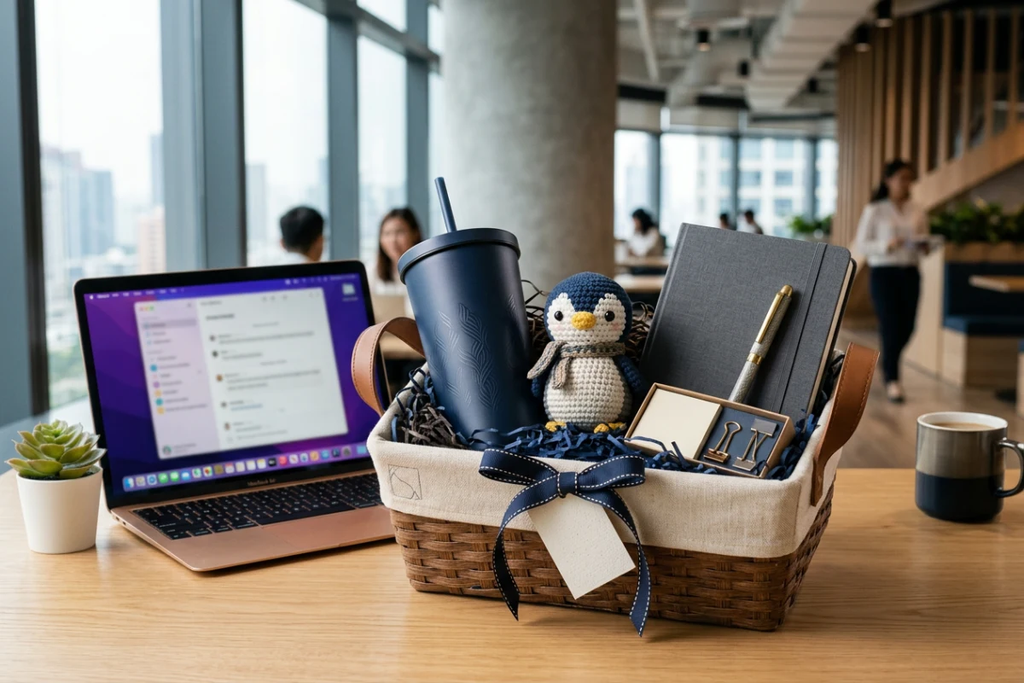
Mugs and reusable cups are practical additions to coffee, tea, corporate, and housewarming hampers.
A ceramic mug can complement a premium tea collection, while a reusable cup with a company logo may fit an employee welcome box.
Drinkware also offers opportunities for customization through printing, engraving, or color selection.
However, buyers should consider how the material affects packaging. Ceramic and glass products often need additional cushioning, while some lightweight alternatives may be easier to ship.
Food-contact compliance, print durability, and product dimensions are important when sourcing drinkware in bulk.
6. Notebooks and Stationery
Stationery is particularly suitable for corporate gifting, employee onboarding, conferences, and graduation collections.
A notebook, pen, or small desk accessory can be useful without requiring detailed knowledge of the recipient’s personal tastes.
These products also provide straightforward branding opportunities.
For example, a corporate welcome box might contain a notebook with the company’s logo, a reusable cup, and a personalized message.
Quality still matters. Paper, binding, printing, and packaging should match the expected price of the hamper.
A poorly finished notebook can weaken the impression created by more expensive products in the same box.
7. Sleep and Comfort Accessories
Soft socks, sleep masks, and other comfort accessories can work well in relaxation-themed hampers.
They are particularly suitable for get-well gifts, winter collections, and employee wellness programs.
A combination of warm socks, tea, and a small keepsake can create a simple but complete gift without relying on expensive products.
For retailers, fabric quality and practical details should guide purchasing decisions. Consider size options, washing instructions, material composition, and individual packaging.
Comfort items should also be selected with the recipient in mind. A product that feels appropriate for a personal birthday gift may not suit a formal business relationship.
8. Small Home Décor Items
Compact home accessories can be appropriate for housewarming hampers, seasonal gifts, and premium lifestyle collections.
Examples include miniature vases, decorative ornaments, small trays, and simple desk decorations.
The strongest choices tend to be products that fit naturally into the recipient’s home rather than highly specific decorative styles.
Packaging is a major consideration. Ceramic, glass, and other fragile materials may require protective inserts, making them less attractive for low-priced hampers or long-distance shipping.
Buyers should compare the decorative value of each item with its handling and fulfillment costs.

9. Small Jewelry and Fashion Accessories
Small jewelry and fashion accessories can add a personal element to birthday, Mother’s Day, and special-occasion hampers.
Possible items include bracelets, hair accessories, compact jewelry cases, scarves, and other small accessories.
These products can suit curated gift boxes where the brand has a clearly defined audience and style.
However, jewelry is more taste-sensitive than many everyday gift items. Metal allergies, sizing, materials, and perceived quality also need attention.
For general corporate gifting, simple accessories may be more practical than highly personal jewelry.
This category is best approached with a clear understanding of the target customer rather than treated as a universal hamper filler.
10. Personalized Keepsakes
A personalized keepsake can give a gift hamper a more specific meaning.
Examples include engraved keychains, name ornaments, customized small boxes, and commemorative desk accessories.
They are especially suitable for employee recognition, business anniversaries, weddings, and VIP customer gifts.
Personalization can also be introduced through the product’s packaging. A standard item may feel more individual when presented with a customized label, ribbon, or message.
For business buyers, the important distinction is between standard branding and individual personalization.
Producing 500 identical logo items is usually a different workflow from producing 500 pieces with different recipient names.
Both options require accurate artwork approval and quality checks, but individual personalization also creates additional data management and production complexity.
11. Reusable Tote Bags and Pouches
Tote bags and small fabric pouches can work as both gifts and packaging components.
A skincare hamper might use a cosmetic pouch to organize smaller items. A corporate welcome collection could include a branded tote bag that recipients can use afterward.
This can be an efficient approach when the packaging becomes part of the product experience.
However, reusable packaging should be genuinely functional. Weak stitching, poor fabric quality, or an impractical size can reduce its value.
When purchasing in bulk, check material weight, stitching, dimensions, printing quality, and whether the packaging is compatible with the other hamper components.
12. Compact Travel and Everyday Accessories
Small travel and daily-use accessories can suit corporate gift boxes, welcome kits, and practical lifestyle hampers.
Examples include luggage tags, compact mirrors, cable organizers, and small travel pouches.
Their main advantage is usefulness. Many are relatively compact and can be customized for branding.
However, these items should only be selected when they fit the theme.
A luggage tag makes sense in a travel-related gift box, but it may seem out of place in a Mother’s Day pamper hamper.
For corporate orders, buyers should also consider durability, material quality, and whether the product is suitable for a broad recipient group.
Which Non-Food Gifts Work Best for Different Occasions?
Selecting the right products becomes easier when the intended occasion is clear.
A birthday gift can reflect personality and personal interests. A corporate hamper usually needs to appeal to a wider group and fit the company’s gifting policy.
Here are some practical combinations.
| Hamper Occasion | Suitable Non-Food Products | Main Consideration |
|---|---|---|
| Mother’s Day | Mini preserved flowers, candles, skincare | Personal and decorative |
| Self-Care or Pamper | Bath products, sleep masks, candles | Relaxation and usability |
| Corporate Thank You | Notebooks, drinkware, small keepsakes | Professional and customizable |
| Birthday | Plush flowers, fashion accessories, personalized items | Recipient’s taste |
| Housewarming | Mugs, home décor, small floral gifts | Everyday home use |
| Get Well Soon | Comfort accessories, soft gifts, greeting cards | Practical and considerate |
| Employee Welcome | Stationery, tote bags, reusable cups | Useful and easy to distribute |
A useful starting point is to choose one principal product and build the other items around it.
For example, a pamper hamper might begin with a premium skincare product. A candle and small keepsake can then support the theme without competing for attention.
For corporate gifting, the process may begin with the recipient profile and the company’s budget. Products are then selected according to usefulness, branding opportunities, and shipping requirements.
Gift hamper businesses serving different countries should also review local buying habits. Traditional Christmas hampers in the UK and Australia may require a different product approach from employee welcome boxes in the United States.
The most attractive combination is not necessarily the one with the greatest number of items.
How to Choose Non-Food Gift Hamper Fillers for Bulk Orders
Finding suitable gift ideas is only part of the purchasing process.
Retailers and corporate gift suppliers also need products that can be purchased consistently, packed efficiently, and delivered within an acceptable cost.
Start With the Customer and Target Selling Price
Before contacting suppliers, define the intended customer, occasion, and retail price.
An entry-level hamper may benefit from a few compact, affordable products. A premium gift box may have more room for branded skincare, decorative keepsakes, or customized accessories.
The purchasing budget should account for more than product costs.
Packaging materials, assembly, storage, transportation, marketing, and final delivery all affect profitability.
A product that costs slightly more but is easier to pack may be a better choice than a cheaper item requiring extensive protective packaging.
Consider Size, Weight, and Shipping Protection
Packaging can determine whether a product is commercially suitable.
For example, a small preserved rose box may fit into a standard gift hamper, while a glass-domed arrangement might require a larger shipping carton.
Similarly, a ceramic mug may be appropriate for a premium corporate box but less practical for a lightweight, low-priced mail-order hamper.
Always request both the product dimensions and the packed dimensions.
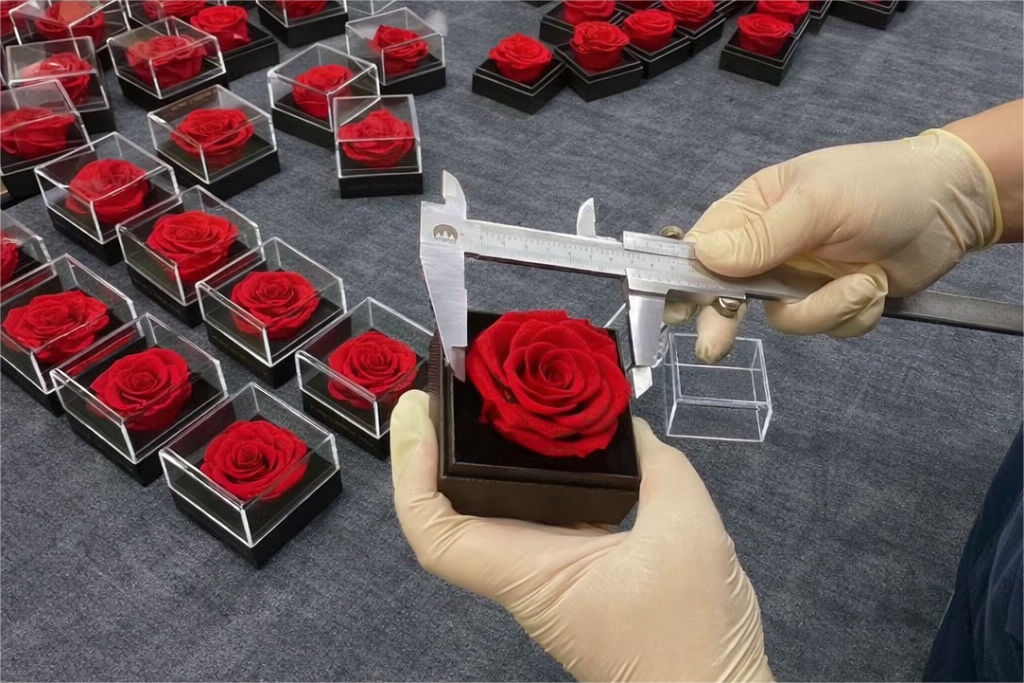
When evaluating samples, place them inside the intended hamper packaging. This helps identify problems with product height, movement, appearance, and available space before bulk production.
Keep Customization Practical
Customization can help retailers create distinct collections without developing every product from scratch.
Changing colors, labels, ribbons, or presentation boxes may be sufficient to match a seasonal or corporate theme.
More complex changes can involve additional tooling, sampling, production time, or minimum order requirements.
For seasonal hampers, a flexible product structure can also make repeat purchasing easier.
The objective is to create a recognizable collection while keeping production and inventory manageable.
Verify MOQ, Lead Time, and Product Consistency
A good product needs to be available when the retailer needs it.
Before placing an order, confirm the supplier’s minimum order quantity, production schedule, material availability, and repeat-order capabilities.
For seasonal ranges, allow enough time for sampling, adjustments, production, shipping, and local distribution.
A product that arrives after the main selling period may create substantial inventory risk.
Developing a new gift hamper collection? If you’re considering preserved flowers, plush flowers, or custom floral add-ons, email inquiry@sweetie-group.com with your target market, budget, and estimated quantity. We can help review suitable wholesale and customization options. MOQ and sampling conditions depend on the product and project requirements.
Check Product Requirements Before Importing
Non-food gifts can fall under different regulatory categories.
Cosmetics, candles, toys, textiles, jewelry, and food-contact products may require specific documentation, testing, or labeling.
For preserved flowers containing real botanical materials, buyers should also check relevant import requirements in the destination country.
Avoid assuming that a certificate for one product automatically covers every item in a mixed gift hamper.
Make Product Selection More Efficient
When developing several hamper collections, it helps to compare products according to sales channel, target customer, style, budget, and purchasing requirements.
Our Sweetie AI Floral Gift Sourcing Assistant can help buyers explore floral gift options based on different sales channels and product needs. It can also support initial product selection and purchasing plan development.
It is a useful starting point for identifying potential products before confirming specifications, availability, samples, and quotations with our team.
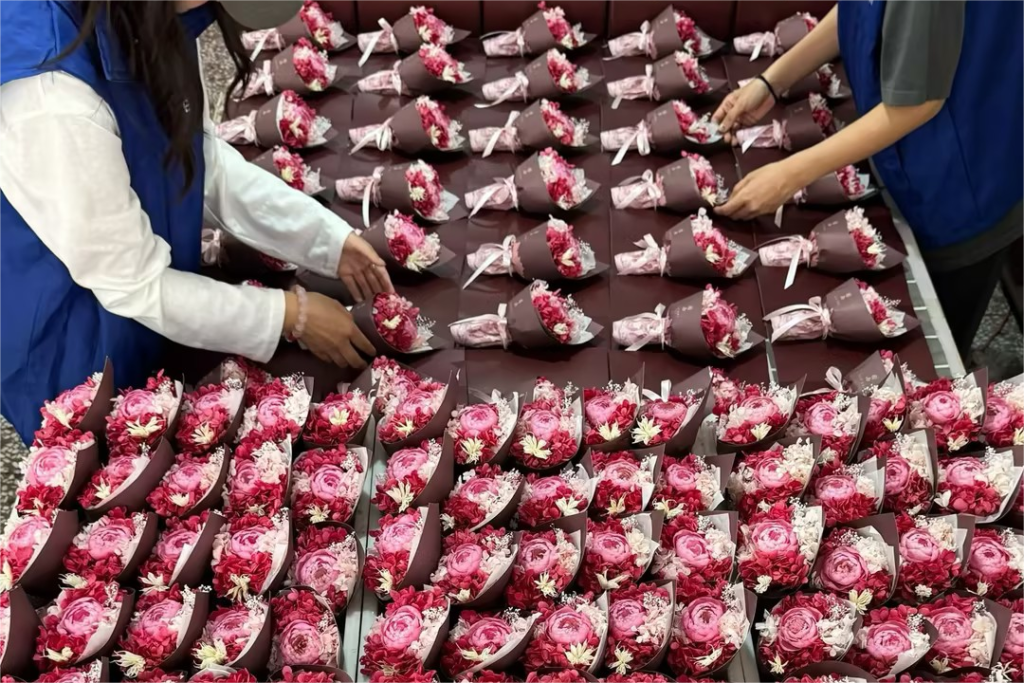
How to Source Floral Gift Add-Ons for Your Hamper Collection
If you’re considering floral products for an existing hamper range, the first decision is whether you need a complete retail gift or a smaller component designed to fit inside another package.
These are different purchasing requirements.
A finished preserved rose box may already have its own retail presentation, while a floral add-on may need simplified packaging, a smaller structure, or colors that coordinate with the rest of the hamper.
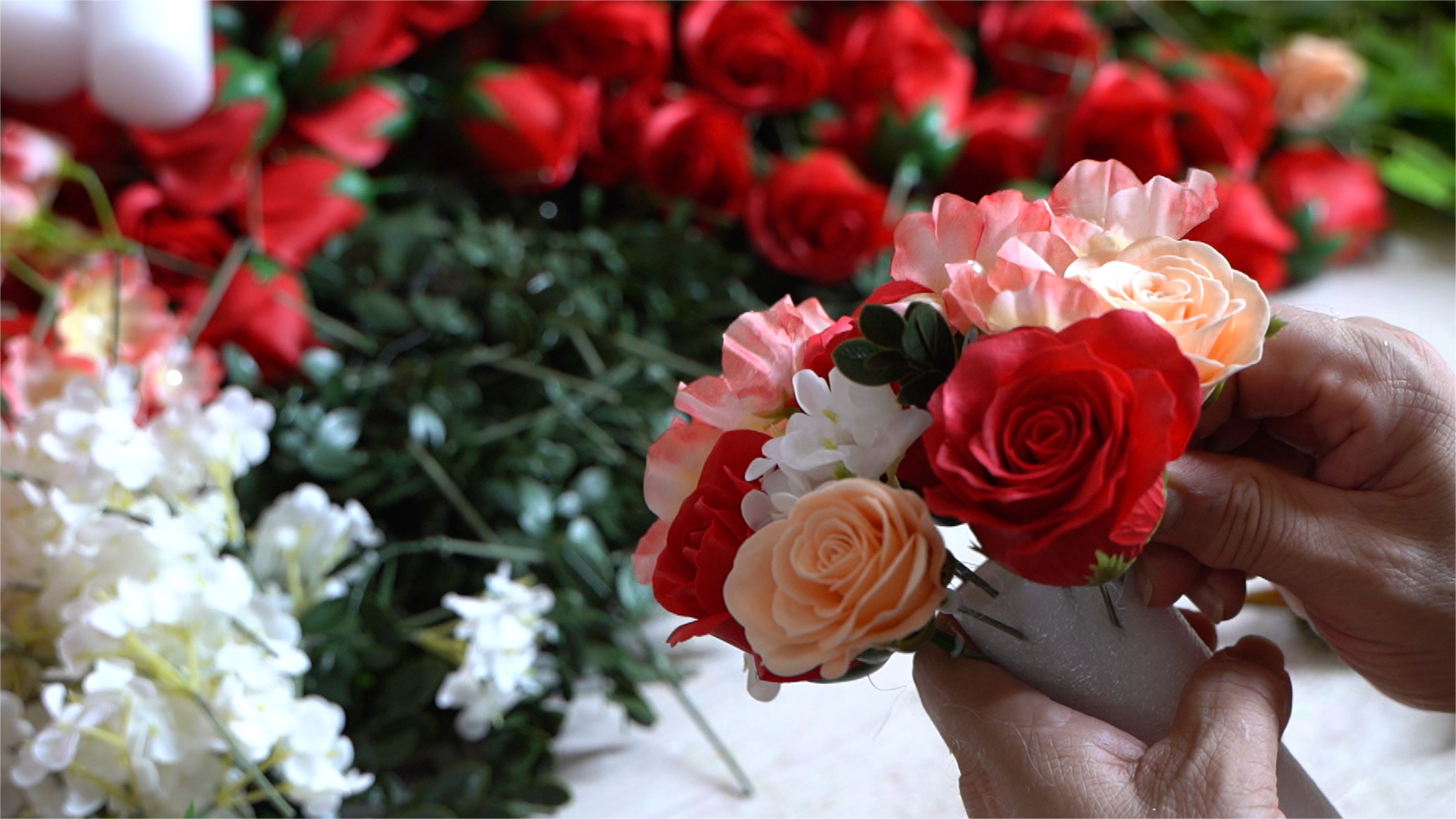
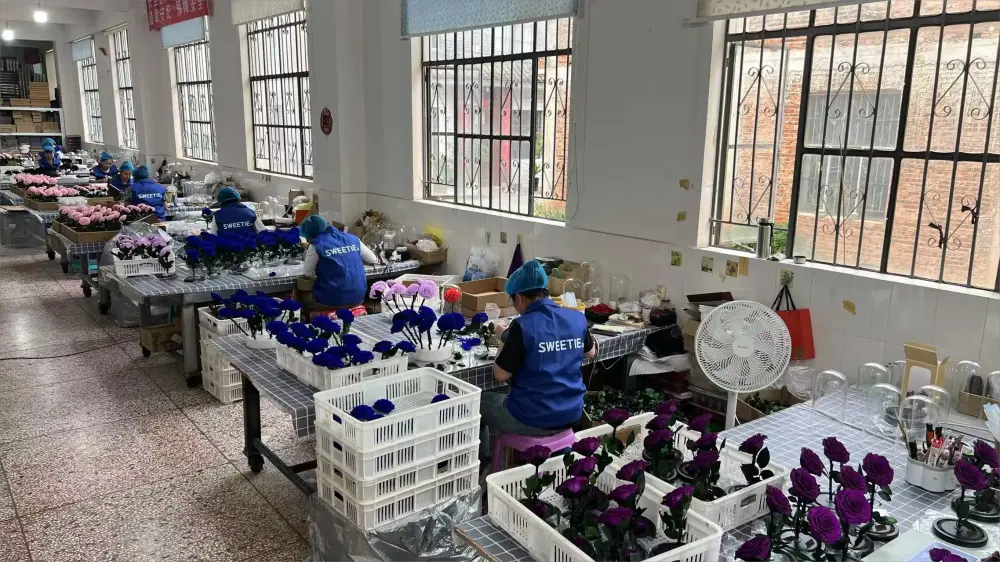
At Sweetie, we develop and manufacture preserved flower gifts, soap flower gifts, plush flowers, crochet flowers, and other floral products for wholesale and customization projects.
Our preserved flower OEM/ODM services include product development and packaging solutions for different retail requirements.
For certain open-top preserved flower boxes, we use structural supports and protective packaging to help keep flower heads clear of the inner protective box. The exact solution depends on the product’s shape and construction.
Customization may involve flower colors, packaging, presentation details, or product structure. Feasibility depends on the selected product, quantities, and production requirements.
Our soap flower gifts are primarily designed for decorative gifting rather than everyday bathing or skincare use.
For hamper buyers, we recommend evaluating actual samples in the intended gift box before confirming a bulk order. A product that looks attractive individually must also work alongside the other items without creating unnecessary packing difficulty.
Frequently Asked Questions
What can you put in a gift hamper besides food?
Non-food hamper fillers include candles, skincare, mugs, preserved flowers, plush flowers, stationery, comfort accessories, home decorations, reusable bags, and personalized keepsakes.
The best combination depends on the gifting occasion, recipient, budget, and how the hamper will be delivered.
What non-food items are suitable for corporate gift hampers?
Practical products such as reusable drinkware, notebooks, desk accessories, branded pouches, and small keepsakes are suitable options to consider.
For corporate orders, prioritize products that are appropriate for the recipient group, easy to customize, and practical to pack and distribute.
Are non-food hamper fillers better sourced locally or overseas?
It depends on the product and order requirements.
Local suppliers may offer faster replenishment and simpler logistics, particularly for small or urgent orders.
Overseas manufacturing can be worth considering for larger orders, customized products, or components that require specialized production capabilities. Buyers should compare the total landed cost, delivery schedule, compliance requirements, and supplier reliability rather than unit price alone.
Can preserved flowers be included in gift hampers?
Yes. Compact preserved flower arrangements can work as decorative additions to gift hampers, provided they are properly protected.
Single-rose boxes and small keepsakes may be easier to pack than larger glass-domed arrangements.
Check the actual packed dimensions, product stability, material requirements, and suitability for the destination market before ordering.
Choosing the Right Products for Your Next Hamper Collection
The most useful non-food gift hamper ideas are the ones that fit the recipient, occasion, and selling price while remaining practical to source and deliver.
Some collections benefit from useful everyday accessories. Others may be better suited to a decorative keepsake or personalized gift. There is no need to add a product simply to make the hamper look fuller.
For retailers and corporate gifting businesses, careful product selection can help create distinctive collections without adding unnecessary complexity to purchasing and fulfillment.
Looking for floral gift add-ons for your next collection? Contact inquiry@sweetie-group.com with your product concept, required quantity, packaging preferences, and customization needs. Our team can discuss suitable wholesale products, samples, and OEM/ODM possibilities.
Annie Zhang
Sweetie-Gifts