Most e-commerce sellers do not lose money because their products are bad. They lose money because they launch late, rush the listing, or miss the window when shoppers are already searching.
If you sell gift products, you can often do most of the work that drives sales before a single carton reaches your warehouse. The goal is not to take preorders recklessly. The goal is to be ready to sell the moment inventory becomes available.
If you want a supplier partner who can support this kind of launch preparation with real photos, consistent production, and packaging that matches what you publish online, email us at inquiry@sweetie-group.com.

What “launching early” really means
Launching early is not the same as shipping early. Experienced sellers separate two timelines:
- The marketing timeline: listing, images, copy, positioning, and traffic planning
- The fulfillment timeline: inventory arrival, prep, and shipment to the customer or to FBA
When those timelines run in parallel, sellers gain two advantages. They shorten time to market and reduce decision pressure. Instead of scrambling after the goods arrive, they are refining details while production and shipping are already in motion.
The quiet cost of waiting for inventory
Sellers often underestimate how many steps happen before the first sale becomes consistent:
- Writing a product title that converts
- Building image sets that answer buyer questions
- Setting up variations and bundles correctly
- Testing price points and offer structure
- Preparing inserts and packaging messaging
- Creating ad creatives and social assets
If you wait to start these until inventory arrives, you compress everything into a week or two. That is where mistakes show up: confusing photos, unclear value, or packaging that does not match the listing.
A better approach is to treat the production and shipping window as preparation time, not dead time.
What you can build before goods arrive
Here is what mature sellers typically prepare in advance, even when they plan to fulfill later:
1. Listing foundation
Create the product page structure early. Focus on the first image, the title, the first five bullet points, and the promise your product makes. This is the spine of your conversion rate.
2. Visual assets that match the final goods
A listing cannot perform without clear images. Lifestyle shots are helpful, but the basics matter more: size clarity, color accuracy, packaging visibility, and close up detail.
3. Brand elements that reduce buyer hesitation
Gift buyers want reassurance. They look for signals like premium packaging, a message card, and clean presentation. These can be designed and finalized before inventory arrives.
4. A launch calendar
Even small sellers benefit from a simple calendar: when the listing goes live, when inventory is expected, when ads start, and when promotions run.
If you want help building a launch kit that includes product photos and packaging visuals that are ready for Amazon and Shopify, contact us at inquiry@sweetie-group.com.

What happens if a customer orders before you can ship
This is the question that keeps many sellers from publishing early. The good news is that e-commerce platforms provide controls, and buyers are often comfortable waiting if expectations are clear.
Here are common, responsible options sellers use:
Adjust handling time
On many platforms, you can set longer processing times so the customer sees a realistic ship date.
Soft launch without paid traffic
Some sellers publish the listing and focus on organic traffic only. This keeps volume low while the page gets indexed and reviewed.
Use preorder language where appropriate
For independent websites, preorder messaging is normal in many gift categories, especially seasonal items. The key is clear ship timing and easy cancellation.
Hold back aggressive promotions until inventory is confirmed
Once inventory is close, sellers scale marketing with more confidence.
The objective is to avoid overselling. A professional early launch is controlled, not chaotic.
Why your supplier matters more than your strategy
Many sellers understand the idea of preparing early. What they struggle with is execution because their supplier cannot support the workflow.
For early preparation to work, your supplier must deliver three things:
Accurate representation
Photos and product information must reflect the final goods, not a sample that later changes in color, size, or packaging.
Consistency across production
If your listing says one thing and the bulk goods arrive differently, you risk returns and negative reviews.
Reliable timing
Assets must arrive early enough to be useful. If photos and packaging details come at the last minute, the seller is back to rushing.
At Sweetie, we support e-commerce sellers across multiple gift categories, including preserved flowers, soap flowers, crochet flowers, and plush floral gifts. Different categories attract different shoppers, but sellers face the same operational reality: they need listing-ready assets before inventory arrives.
If you want to see how our process supports early launch preparation, email inquiry@sweetie-group.com.
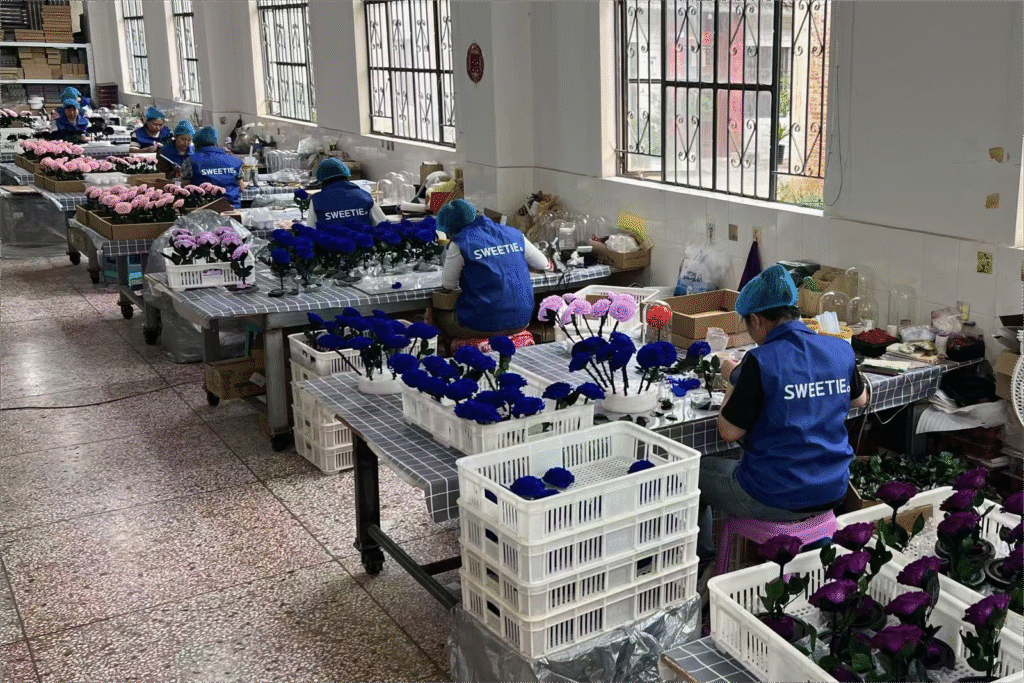
A simple checklist to launch early without losing control
Before you publish a listing ahead of inventory, confirm these basics:
- Your product specs are final and documented
- Your photo set reflects the final version and packaging
- Your expected arrival date is realistic with buffer time
- Your platform handling time matches your actual capacity
- Your customer messaging is clear and easy to understand
- Your supplier can maintain consistency at scale
If you can check these items, publishing early becomes a competitive advantage, not a risk.
Closing thought
The best sellers do not wait for inventory to start building demand. They build the foundation first, then they let inventory arrival become a trigger to scale, not a trigger to panic.
If you are planning a gift product launch and want supplier support that fits real e-commerce timelines, reach out to inquiry@sweetie-group.com.
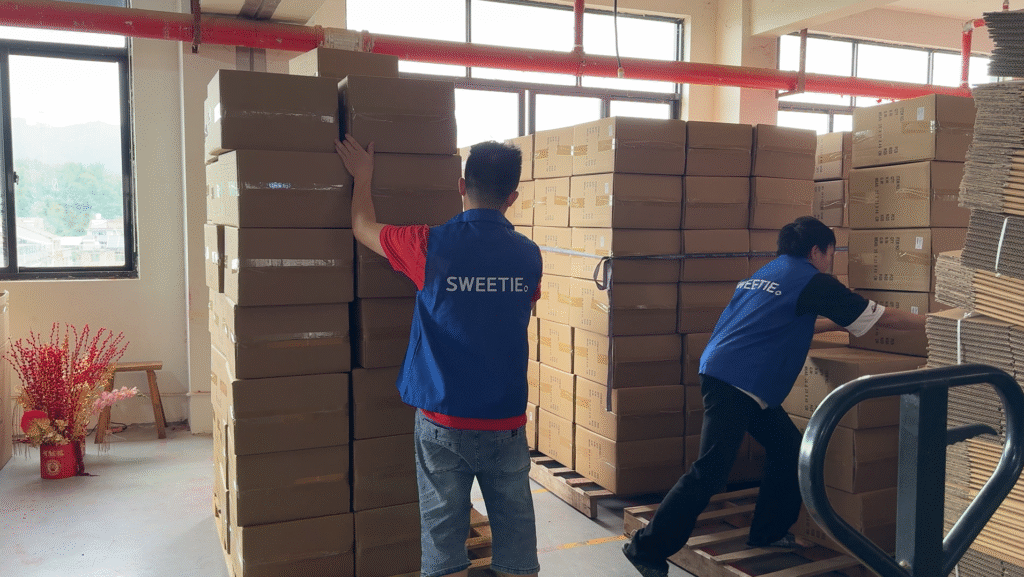
Annie Zhang, CEO of Sweetie Group