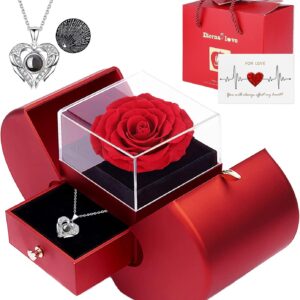
Importing eternal flowers from China can be a strong move for gift brands, chain retailers, and Amazon sellers, but only if you calculate the full landed cost with the same discipline you use to set retail pricing. Most sourcing mistakes happen when buyers treat the quote as the cost. In reality, the quote is just the starting point.
In this article, I am going to walk through a practical way to evaluate the landed cost of eternal flowers, focusing on what actually changes your total spend and your profit after the goods arrive.
If you are comparing suppliers and want to sanity check your numbers, email me at inquiry@sweetie-group.com. A quick cost review often reveals the real lever to pull.
Why Eternal Flower Orders Feel “Hard to Price” Until You Break Them Down
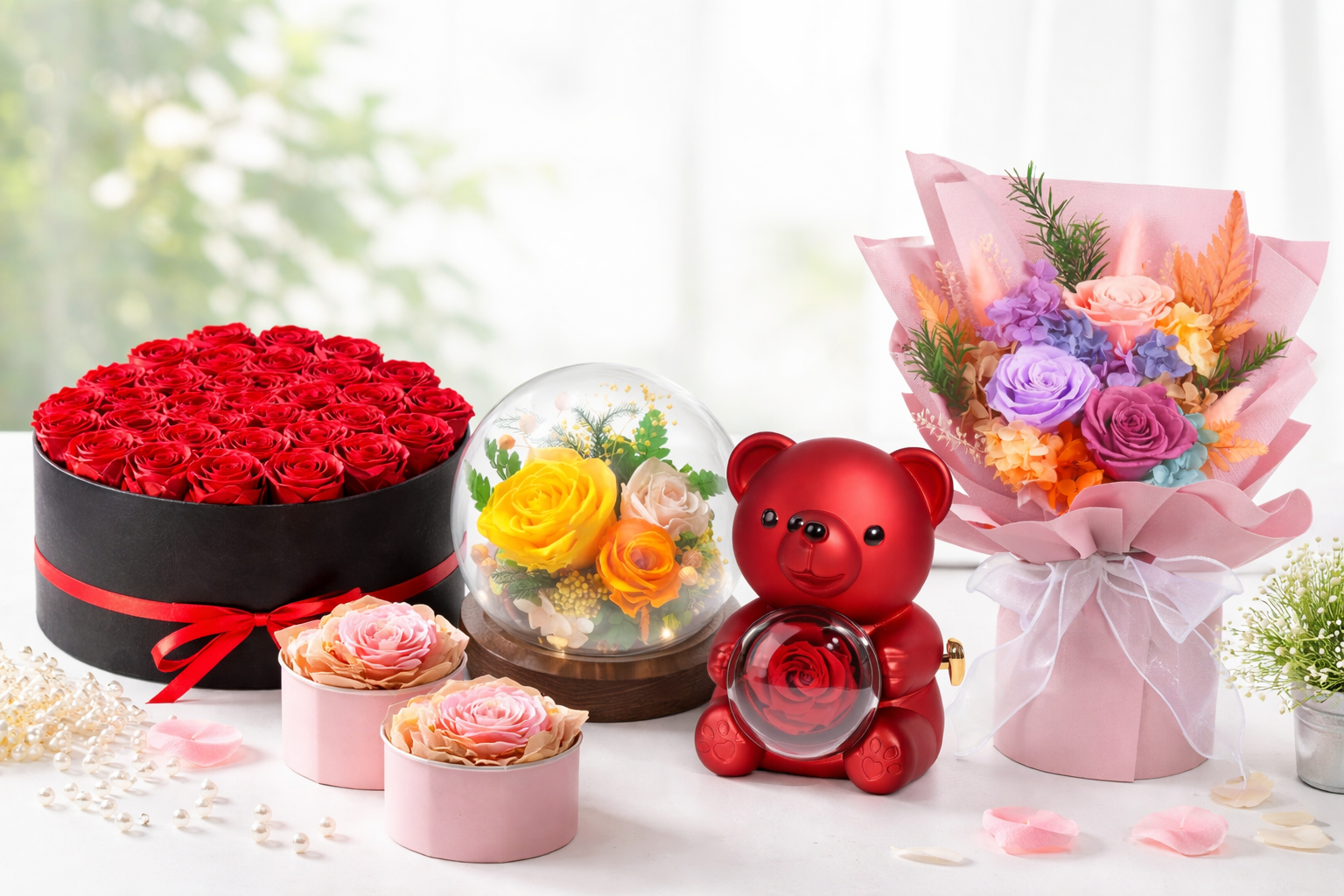
Eternal flowers sit in a tricky space between lightweight product and high volume packaging. You are not shipping loose stems. You are shipping gift-ready sets: rigid boxes, foam inserts, acrylic covers, paper bags, and protective outer cartons. Those parts protect your product and improve presentation, but they also affect shipping volume and handling risk.
That is why two suppliers can quote similar product costs, yet your total spend ends up very different once freight, packaging decisions, and loss rates are factored in.
Start With the Right Question: What Will This Cost Me Per Sellable Unit?
When buyers ask, “What is shipping?” they usually get an answer that is incomplete. A better question is:
What is my total cost per sellable unit after delivery, including losses and rework?
This shift in wording forces clarity. It also keeps the discussion focused on the outcome you care about: units you can actually sell.
Here is the practical framework I recommend using when you evaluate any eternal flower program.
The Landed Cost Components That Actually Move Your Profit
Landed cost is not one line. It is a stack of decisions. Some are obvious, and some are hidden until your second or third shipment. The goal is to make them visible before you commit.
1) Product cost is the anchor, not the answer
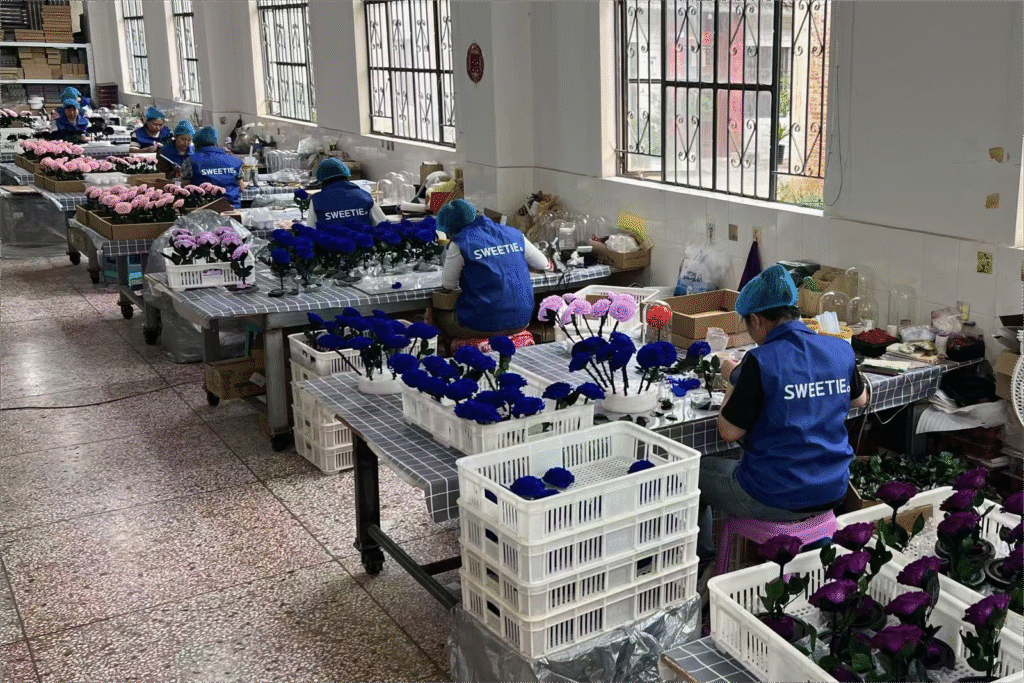
Product cost includes flowers, arrangement labor, box materials, inserts, accessories, and assembly. It should be stable and clearly defined.
What I look for in a serious quote:
- A clear bill of materials or at least a component list
- A defined quality standard for flower head size, color, and density
- A clear statement of what is included in the set
If any of those are vague, the price can drift later.
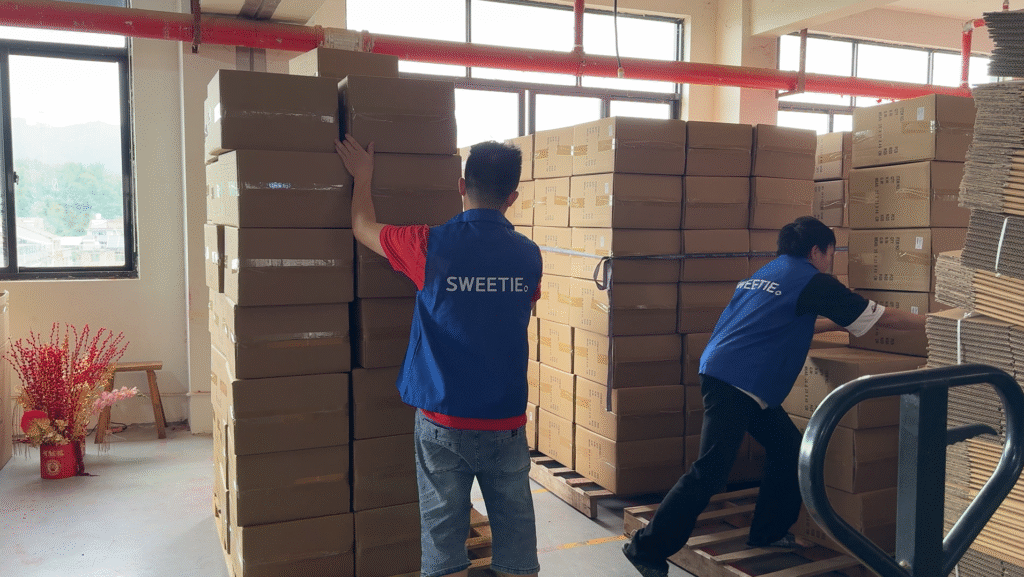
2) Carton size and packing method decide your freight efficiency
Eternal flower sets are often limited by volume, not weight. Even small changes in carton design can significantly change cost per unit shipped.
Common cost drivers:
- Oversized inner boxes that create dead space
- Low units per master carton
- Inconsistent packing that reduces container utilization
- Too much void fill that increases volume with no added protection
These are not design details. They are cost variables.
3) Freight cost is a variable, not a fixed number
Freight quotes fluctuate. Seasonality, route changes, fuel surcharges, port congestion, and warehouse capacity can all affect the number you see today versus the number you pay next month.
Instead of chasing the lowest rate, I recommend building your plan around:
- A realistic range for freight, not a single point estimate
- A cost per unit shipped, not a total shipment cost
- A shipment strategy that matches your sales calendar
If you need help mapping a freight strategy for peak seasons like Valentine’s Day or Mother’s Day, email inquiry@sweetie-group.com. Planning a shipment calendar is often more valuable than negotiating a few cents off the factory price.
4) Damage risk is a recurring expense if you do not design it out
Many buyers treat damage as a rare event. With gift products, damage is usually a system issue. It repeats when packaging is not engineered for long-distance transit and last mile delivery.
Damage costs show up as:
- Replacement units
- Repacking labor
- Customer support time
- Returns and write-offs
- Marketplace rating impact for online sellers
A supplier that reduces damage through packaging engineering can be cheaper overall even if the shipping quote looks higher.
5) Time cost is real, especially for seasonal gift programs
Delays do not just create inconvenience. They create missed revenue. Eternal flower sales are heavily seasonal. If your goods miss the window, you often cannot recover the lost demand.
Time cost can include:
- Air freight upgrades to rescue a late shipment
- Storage costs when inventory arrives too early
- Stockouts that force you to pause marketing campaigns
When you evaluate landed cost, include the probability and impact of delays, not just the best case timeline.
A Simple Landed Cost Checklist You Can Use With Any Supplier
Below is a quick checklist I use to keep supplier comparisons fair and practical. It helps you avoid comparing numbers that are not truly comparable.
| Item to Confirm | What to Ask | Why It Matters |
|---|---|---|
| Packing density | Units per master carton and carton dimensions | Determines cost per unit shipped |
| Packaging standard | Drop test approach or transit protection plan | Reduces damage related costs |
| Replacement policy | How damage is handled and documented | Predictability and risk control |
| Lead time definition | Production time plus packing time | Prevents schedule surprises |
| Freight basis | Shipping method and quote validity window | Avoids unrealistic assumptions |
If you want, I can review your supplier quotes using this checklist and point out where the real cost is hiding. Email inquiry@sweetie-group.com and share the carton size, units per carton, and your destination country.
How to Compare Two Quotes Without Falling Into the “Cheapest” Trap
When you compare Supplier A and Supplier B, do not stop at product price and freight total. Normalize both offers into a single unit economics view.
I recommend calculating:
- Cost per sellable unit delivered
- Expected loss rate based on packaging and past performance
- Cost impact of delays relative to your selling season
- Reorder friction, meaning how easy it is to replenish quickly without quality drift
In practice, the supplier that supports predictable repeat orders often produces the best long-term margin, even if the first order looks slightly higher.
What I Recommend Asking Before You Place a Bulk Eternal Flower Order
Before you pay a deposit, ask these questions. They are simple, but they reveal whether a supplier understands your business model.
- Can you provide carton dimensions, weight, and units per carton for each SKU?
- Can you suggest a packing revision that reduces volume without increasing damage risk?
- What is your quality tolerance for flower size and color variance?
- How do you handle damage claims and documentation?
- What is the realistic lead time during peak seasons?
A supplier who answers clearly is usually a supplier who can scale with you.
Final Thoughts
The true cost of importing eternal flowers from China is not just factory price plus shipping. It is the cost of delivering sellable units on time, in good condition, with packaging and packing decisions that protect your margin.
If you would like us at Sweetie to help you evaluate landed cost before you place a bulk order, email inquiry@sweetie-group.com. I am always happy to review the key numbers and suggest practical ways to reduce total cost without compromising quality.

Annie Zhang, CEO of Sweetie-Group