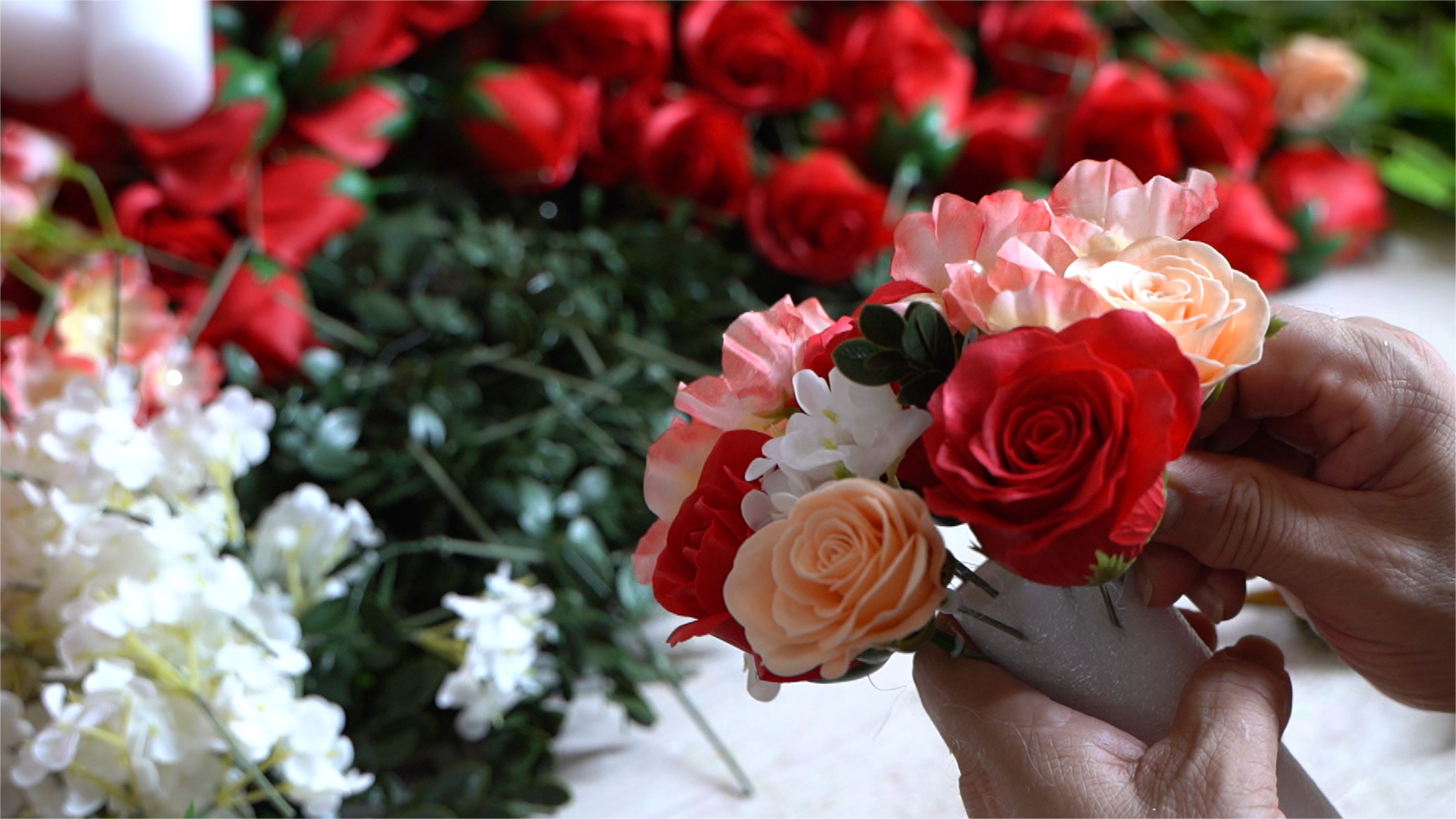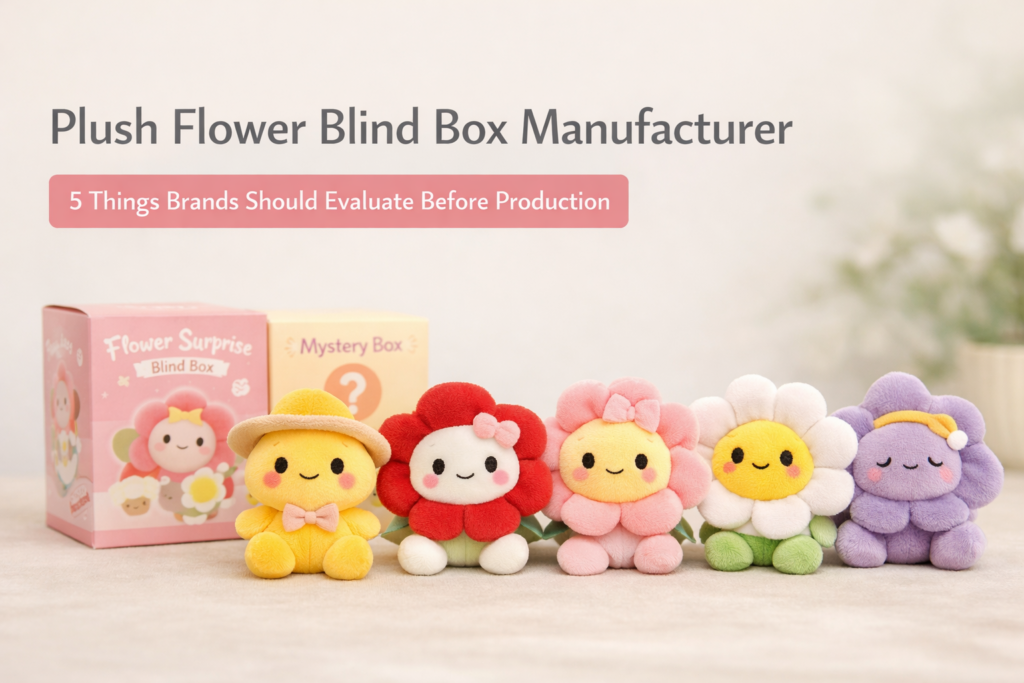
A plush flower blind box can look wonderfully simple at the concept stage. A soft flower head, a sweet expression, a lovely box, maybe a hidden style or two. On screen, it feels easy.
Real production is where the truth shows up.
Many products look charming in a rendering, look even better in the first sample, and then slowly lose their magic once production begins. The petals sit differently. The face shifts. The whole series stops feeling like one family. Nothing looks obviously wrong, yet everything feels slightly off. That is usually the moment when a brand realizes it was never just buying a plush product. It was choosing a manufacturing system.
That is why this topic matters. When a brand, retailer, or product team starts looking for a plush flower blind box manufacturer, the real question is not simply who can make a sample. The real question is who can help turn a design into a product that still works when it is produced at scale.
If you are evaluating a plush flower blind box concept now, email inquiry@sweetie-group.com.
Why This Category Is Harder Than It Looks
A plush flower blind box sits in an unusual space. It is part plush toy, part floral gift, part packaging project, and part collectible product. That mix is exactly what makes it attractive. It is also what makes it tricky.
A standard plush item already involves pattern work, fabric selection, cutting, sewing, stuffing, shaping, inspection, and packing. A plush flower blind box adds more pressure to the system:
- flower-inspired shapes that need to stay soft but recognizable
- decorative details that affect the emotional feel of the product
- blind box presentation, assortment, and final packing
- multiple SKUs that need to feel connected as a series
- sometimes, branded or IP-like visual standards that leave very little room for drift
That last point matters more than many teams expect. A single plush flower can be cute on its own. A blind box series has to do more. It has to feel collectible. It has to feel intentional. It has to make people want the next one.
So when a brand chooses a manufacturer for this category, it is not just choosing a factory. It is choosing how well all of those moving parts will hold together.
1. Can the Manufacturer Manage the Whole Product, Not Just the Plush Part?
This is the first filter, and it is a big one.
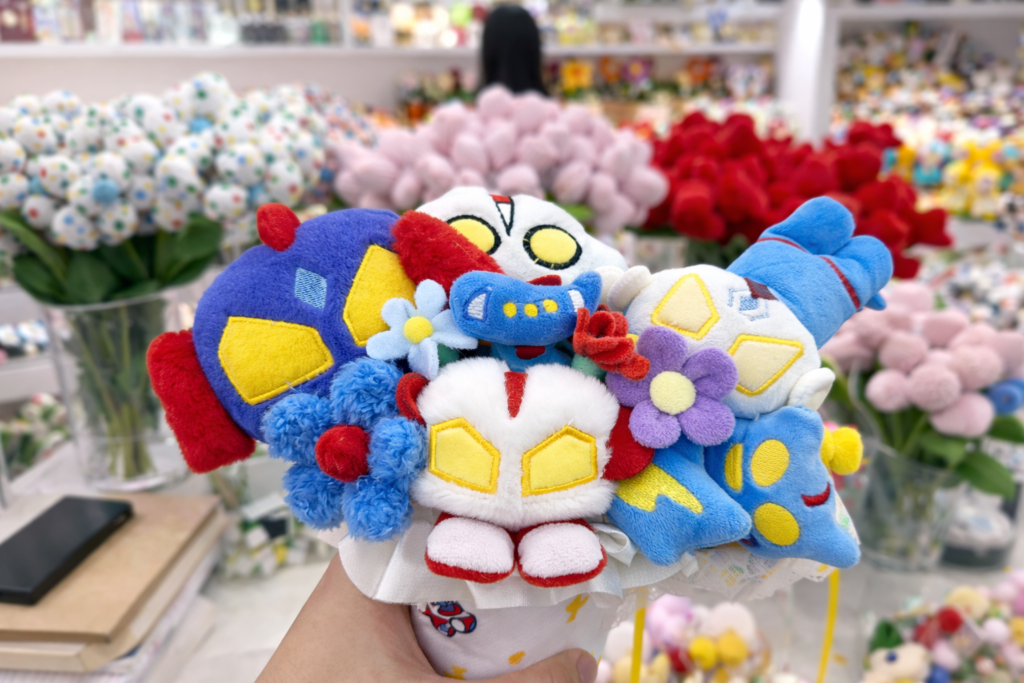
A plush flower blind box is rarely one isolated process. The plush body may be one workflow. Embroidery or printing may be another. Ribbons, tags, inserts, inner supports, or decorative components can come from different suppliers. Then the product still has to be assembled correctly, packed correctly, and protected well enough to reach retail in good shape.
That is why sewing capacity alone is never enough.
A strong manufacturer should be able to coordinate:
- plush construction
- decorative trims and accessories
- packaging structure
- insert cards and labeling
- assortment logic
- final packing control
This does not mean every single component must be made in one building. That is not how many real projects work. What matters is whether one team is truly controlling the process from end to end.
When that control is weak, the problems pile up quietly. A ribbon tone changes slightly. A flower face sits a little lower. The insert card presses against the petals. The box fits, but not quite. The product still ships, but the finished experience is no longer what the concept promised.
That is why integration matters so much. It keeps the product from feeling pieced together.
2. Can the Manufacturer Read the Design Correctly Before Making It?
Some suppliers are good at following instructions. Fewer are good at understanding what the design is actually trying to do.
That distinction is easy to miss until a sample comes back.
A plush flower blind box is not only about shape. It is also about feeling. Sometimes the flower is supposed to look playful. Sometimes it should feel gentle, romantic, seasonal, or slightly whimsical. Sometimes the emotional hook is the face. Sometimes it is the flower silhouette. Sometimes it is the whole lineup together.
A manufacturer that really understands design should be able to do more than copy a sketch. The team should be able to identify what needs to stay, what can be simplified, and what is carrying the visual identity of the product.
That usually shows up in questions like these:
- What detail makes this character recognizable?
- Which flower parts are essential to the look?
- Does the product need a rounder silhouette, a softer face, or stronger contrast?
- How should this style relate to the rest of the series?
This is often where product decisions are won or lost. A team can be technically competent and still flatten the charm out of the design. That is especially true in flower-based products, because the appeal often comes from proportion, softness, and tiny emotional cues rather than obvious structure.
If you want feedback on whether your design is ready for sampling, write to inquiry@sweetie-group.com.
3. Can the Manufacturer Improve the Design for Production Without Losing Its Personality?
This is where real development starts.
A concept may look wonderful in artwork and still be difficult to produce consistently. That is normal. The issue is not whether adjustments are needed. The issue is whether those adjustments are made with good judgment.
A good manufacturer should be able to refine a concept for production without draining the life out of it.
For plush flower blind boxes, that often means balancing things like:
- visual softness and structural stability
- decorative detail and assembly efficiency
- expressive embroidery and placement tolerance
- flower shape and packaging pressure
- series variety and production standardization
This is the stage where the smartest teams catch hidden risks. A petal edge may be too delicate for transit. A small embroidered smile may be too sensitive to placement variation. A face may look adorable in one handmade sample but become inconsistent once production speeds up.
Not enough people talk about this honestly. Some of the cutest ideas are also the most fragile ideas. If nobody translates them properly before bulk production, the product becomes harder to control, more expensive to stabilize, and more likely to disappoint later.
That is why development matters so much. The strongest manufacturers are not the ones who say yes to everything. They are the ones who know how to protect the concept while making it manufacturable.
4. Can the Manufacturer Hold Consistency After the First Sample?
A strong first sample is encouraging. It is not proof.
This is one of the most important lessons in this category. A first sample can receive extra time, extra care, and extra handwork. Production is different. Production introduces repetition, shift changes, batch variation, packing pressure, and speed. Tiny differences begin to show.
And with plush flower blind boxes, tiny differences do not stay tiny for long.
If the stuffing changes, the face changes.
If the face changes, the personality changes.
If the petals change, the flower stops feeling intentional.
If several SKUs drift in different directions, the series loses its identity.
That is why consistency should be checked on more than one level.
| What needs to stay consistent | Why it matters |
|---|---|
| Shape and silhouette | The product needs to feel like the approved concept, not a loose interpretation |
| Face and decoration | Small shifts can change the emotional tone very quickly |
| Series relationship | Each SKU should feel different, but still belong to the same family |
| Packaging fit | A good product can still look bad if the box compresses or distorts it |
| Final packing accuracy | Blind box projects depend on correct assortment and clean presentation |
This is the real test of a manufacturer. Not whether one nice prototype can be made, but whether the product still looks right after repetition enters the process.
A reliable manufacturing partner should already have a clear way to talk about reference samples, placement standards, color control, shaping checks, and final inspection. When those conversations feel vague, that usually means the control behind them is vague too.
5. Can the Manufacturer Protect Visual Precision for Branded Projects?
Branded projects are less forgiving. That is simply the reality.
A general gift item can tolerate a little interpretation. A branded product cannot. Once a product needs to align with a house style, a collection language, or an IP-like visual system, details matter far more.
That includes:
- proportion
- face placement
- key colors
- decorative accents
- packaging presentation
- consistency from one SKU to the next
The challenge is not just getting close. The challenge is staying close, repeatedly.
Branded plush flower products often reveal a manufacturer’s real level very quickly. A team may be able to produce something that feels “similar.” That does not mean it can produce something that feels accurate over time.
This is especially true for collections where the product has to do two jobs at once: it has to carry a flower theme, and it has to carry a brand language. When those two layers are not managed carefully, one of them usually gets diluted.
A manufacturer that is right for branded work should understand that visual discipline is part of production, not just part of approval.
A Simple Way to Evaluate a Plush Flower Blind Box Manufacturer
If a brand wants one clean framework, this is a practical one:
- Integration: Can the team manage the whole product, not just one process?
- Design understanding: Can the team recognize what gives the concept its appeal?
- Development judgment: Can the design be improved for production without losing charm?
- Consistency: Can the product stay stable after the first sample?
- Precision: Can the visual standards hold up in branded or collection-based work?
That is the shortlist worth trusting.
Not the fastest promise.
Not the lowest opening price.
Not the nicest presentation deck.
The better choice is usually the manufacturer that makes the project feel more controllable from the very beginning.
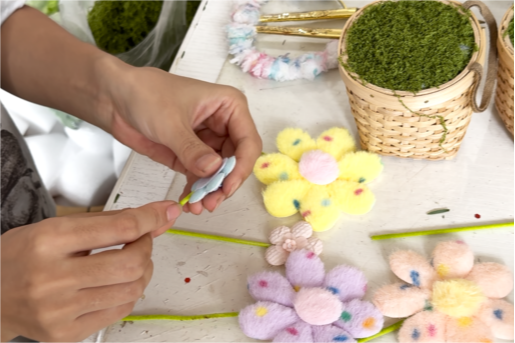
What Good Manufacturing Support Actually Feels Like
It usually feels calm.
That may sound simple, but it matters. A good manufacturing partner tends to reduce noise early. Questions get sharper. Risks become clearer. Weak spots are discussed before they turn into delays. Packaging is treated as part of the product, not an afterthought. Sampling is used to solve problems, not just to impress.
That kind of support is valuable because blind box products are emotional products. People buy them because they are charming. Soft. Collectible. Giftable. But to reach that point, the project itself has to be handled with a lot of discipline.
That is the part customers do not see on the shelf.
It is also the part that decides whether the shelf result feels polished or disappointing.
If you are building a plush flower blind box program and want to talk through development or production, contact inquiry@sweetie-group.com.
Final Thoughts
A plush flower blind box is easy to underestimate. It looks lighthearted, and in a way, that is part of its beauty. But the product behind that feeling is not simple. It asks for softness and structure, charm and discipline, variety and consistency, all at the same time.
That is why choosing the right manufacturer matters so much.
The best partner for this category is rarely the one that only knows how to make plush. It is the one that understands how to turn a flower-themed concept into a stable retail product without losing the personality that made it attractive in the first place.
That is what brands should evaluate before production begins.
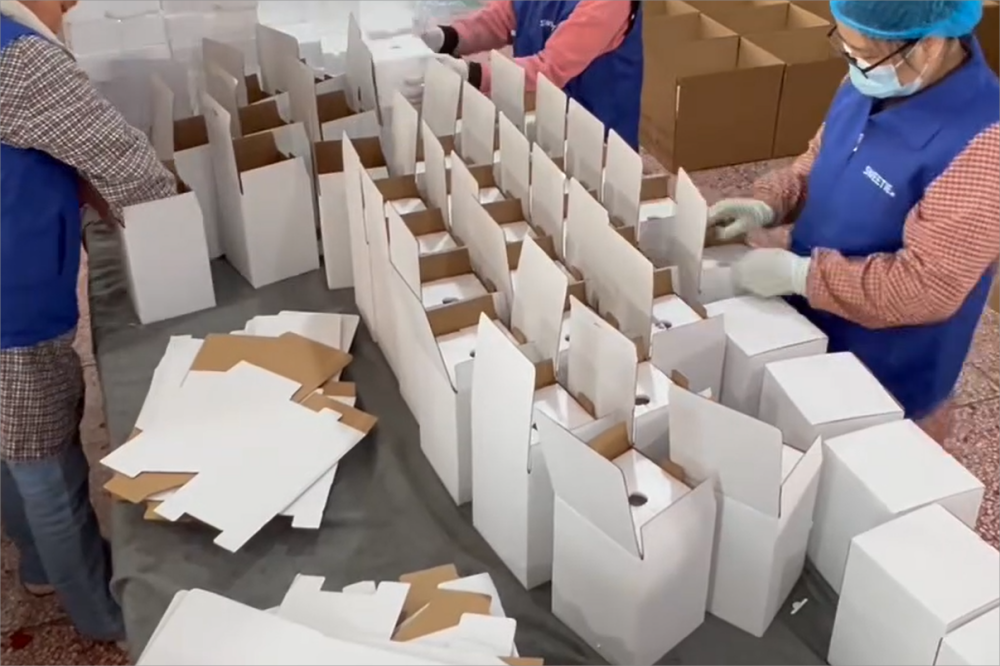
Annie Zhang, CEO of Sweetie Group