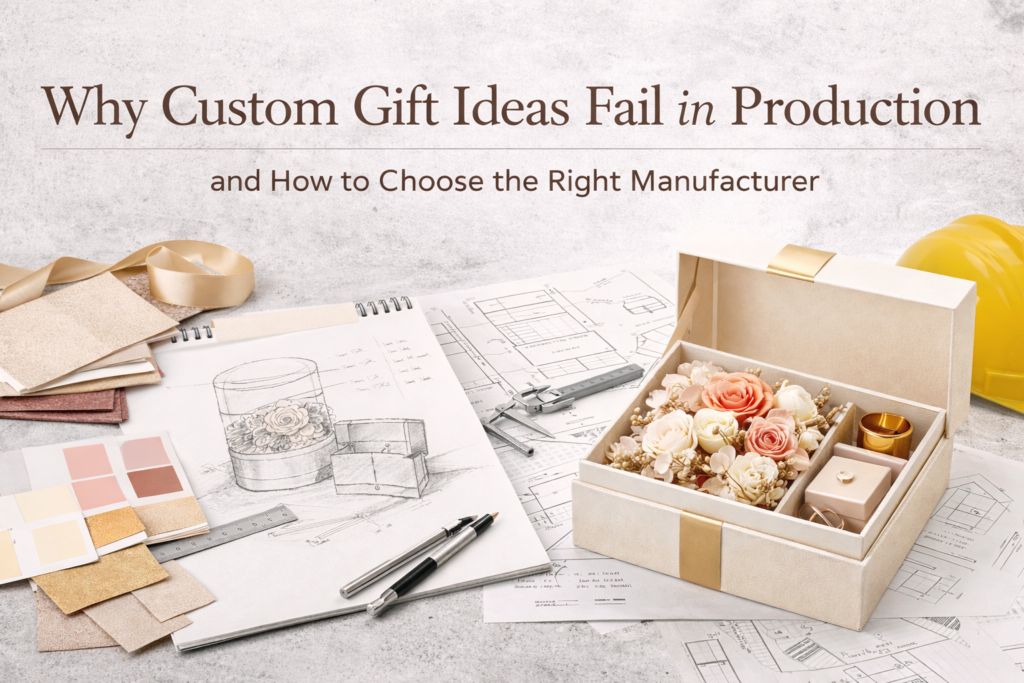
A custom gift idea can look perfect in a concept deck and still break down the moment it enters real production.
I have seen this happen in more ways than most buyers expect. A sample looks refined. The packaging feels premium. The concept seems ready to launch. Then the real constraints show up: fragile details cannot survive shipping, assembly takes too long, packaging is not protective enough, costs rise, or the final product no longer fits the retail shelf, the e-commerce carton, or the gifting campaign it was designed for.
That is why this topic matters so much. The problem is not usually the idea itself. The problem is the gap between design and production.
And that is exactly where the right manufacturer makes a difference.
The real issue is not creativity — it is production readiness
Most custom gift projects do not fail because the concept is weak. They fail because the concept was never fully prepared for manufacturing.
That sounds simple, but it changes how a buyer should evaluate a supplier.
A manufacturer is not only there to make what has been drawn. In a strong project, the manufacturer should also help determine whether the design can be produced reliably, packed safely, shipped efficiently, and repeated at scale without losing the original appeal.
In practical terms, that is what design for manufacturability looks like in gift development. It means improving a concept so it can work in the real world, not just in a presentation or a one-off sample.
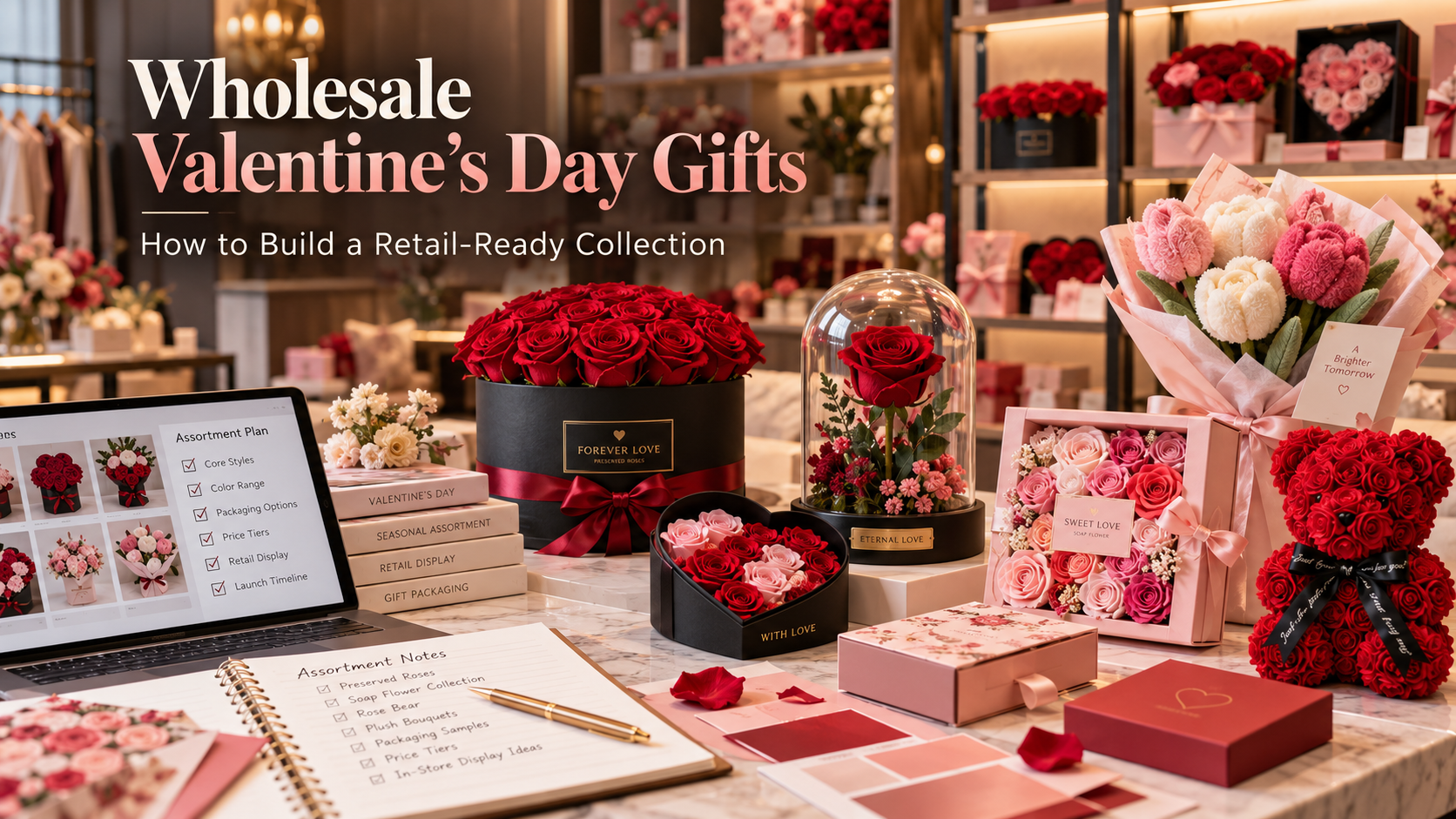
That is especially important in categories where product, packaging, and visual impact are tightly connected, such as preserved flower gifts, decorative soap flower gifts, rose bears, plush flowers, branded gift sets, and seasonal promotional items. Sweetie-Gifts works across exactly these types of products, which is why this question comes up so often in real customer conversations.
Where custom gift ideas usually start to fail
When a design is not ready for real production, the failure points are usually predictable.
Some show up in the product itself. Others appear in packaging, shipping, timing, or cost. But most of them can be traced back to the same issue: the design was approved before anyone seriously checked how it would behave in production.
Here are some of the most common breakdowns:
- decorative details that are too delicate to repeat consistently
- structures that look elegant but slow down assembly
- packaging that photographs well but protects poorly
- components that shift, scratch, or break in transit
- material or finishing choices that raise cost too quickly
- product formats that do not match the intended sales channel
These are not rare exceptions. They are normal production risks in custom gifting.
That is why a beautiful sample should never be mistaken for proof that a project is ready for bulk order.
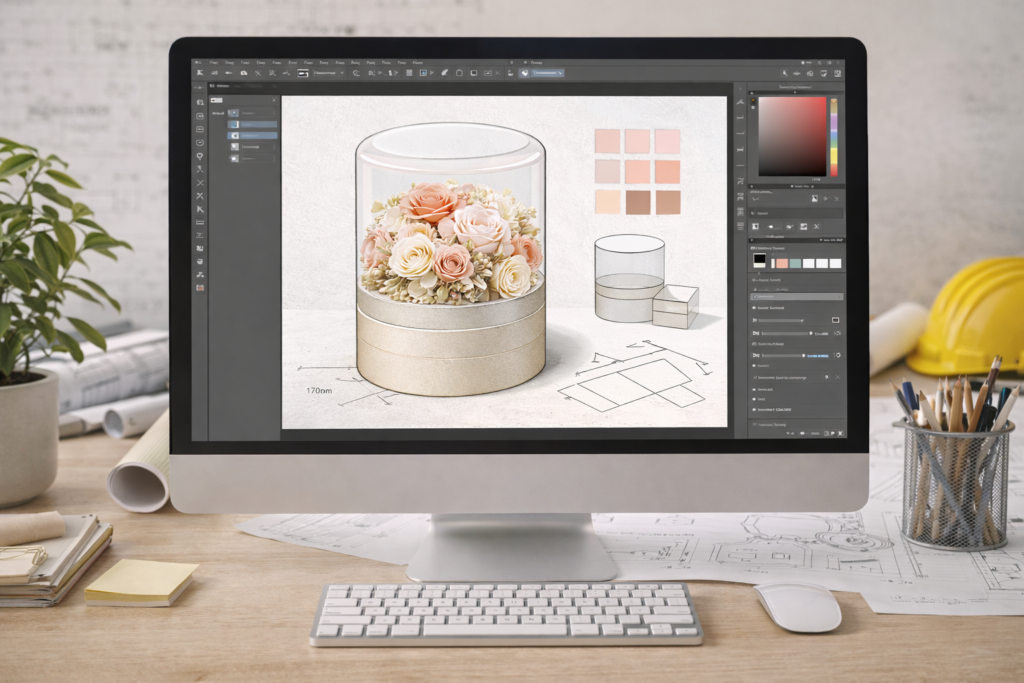
A good sample does not guarantee a good production result
This is one of the most important things a buyer can understand.
A sample proves that something can be made once. It does not prove that it can be made well, repeatedly, and profitably.
A sample often benefits from extra attention. It may include hand-finishing that is difficult to repeat. It may avoid the real pressure of shipping tests, packing density, or time-sensitive assembly. It may even hide structural weaknesses that only appear when quantities increase.
That is why sample review should lead to a second layer of questions, not a quick approval.
A strong manufacturer should be able to explain:
- what may need to change before production starts
- which details are hardest to repeat consistently
- what affects labor time and efficiency
- what packaging risks still need to be solved
- what may influence cost in larger quantities
When those answers are clear, the project is usually on much safer ground.
Need a second opinion on a sample, structure, or packaging direction? Email inquiry@sweetie-group.com.
What a manufacturer should check before bulk production begins
This is where strong manufacturers separate themselves from suppliers who only execute instructions.
Before production starts, the manufacturer should be evaluating more than appearance. The real job is to review whether the design can survive manufacturing, packing, delivery, and use.
A useful pre-production review usually includes the following areas:
| What should be checked | Why it matters |
|---|---|
| Product structure | A design can look attractive but still be unstable or inefficient to assemble |
| Materials and finishes | Some combinations raise cost, delay lead time, or reduce consistency |
| Packaging fit | Protection, presentation, and carton efficiency all affect results |
| Shipping method | Parcel shipping, retail delivery, and event distribution create different risks |
| Bulk repeatability | A one-time sample may not reflect real production conditions |
| Channel fit | Retail, e-commerce, and gifting projects do not need the same solution |
This is the part many buyers never see clearly, but it is often where the real value of a manufacturer begins.
A factory that only says yes is not necessarily helping. A manufacturer that checks the design against these realities is usually protecting the project.
The best manufacturers think ahead, not just follow instructions
A buyer can often tell very quickly whether a manufacturer is only reacting to requests or actually thinking ahead.
The difference shows up in the questions they ask.
A weak supplier often stays at the surface level: size, color, quantity, logo, deadline.
A stronger manufacturer usually asks deeper questions early:
- Where will the product be sold or used?
- Does it need to survive parcel shipping?
- Is shelf display or shipping protection more important?
- Which details are essential to the look, and which can be simplified?
- Is this a one-time campaign, a repeat item, or a market test?
- What budget and timing need to be protected?
Those questions matter because manufacturability is not just about making the item. It is about making the right version of the item for the actual business situation.
That is also why channel understanding becomes part of production success. A gift box designed for a boutique shelf may fail in e-commerce. A promotional gift designed for a campaign deadline may need different decisions from a long-term retail item. A corporate gift may need stronger focus on presentation consistency and delivery timing than a normal stock product.
Sweetie-Gifts’ internal background materials reflect this kind of channel awareness. The company describes experience serving global retailers, online stores, supermarkets, gift shops, and corporate buyers, while also supporting overseas e-commerce needs such as pricing fit, production rhythm, and mail-order packaging.
Why this matters even more in floral gifts and gift box projects
Some product categories are naturally more sensitive to manufacturing gaps than others.
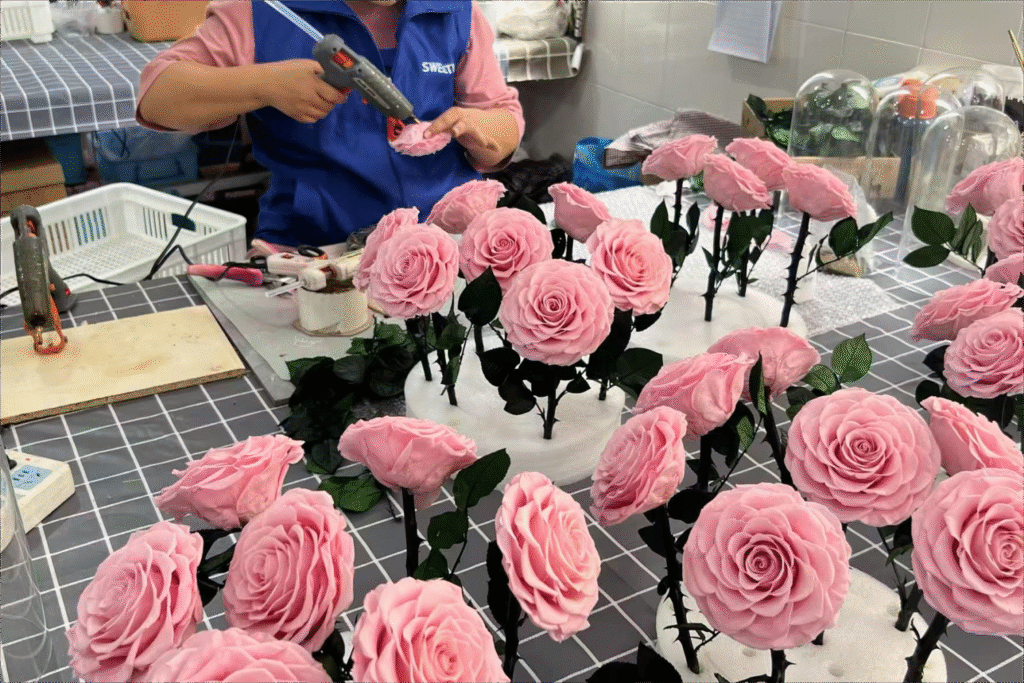
Floral gifts and decorative gift boxes are a good example. In many of these projects, the package is not just a transport layer. It is part of the product experience. That means the manufacturer has to think about presentation and protection at the same time.
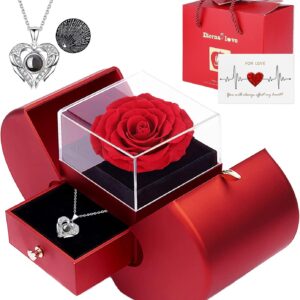
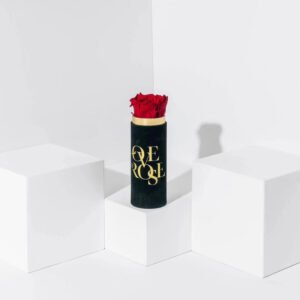
A preserved flower box with a lid does not need the same protection method as an open flower box. A dome product does not behave like a flat-packed gift set. A transparent box may look premium but still scratch too easily. A beautiful interior layout may lose its value if the flowers shift or the outer box is too weak for shipping.
Sweetie-Gifts’ own packaging notes show that different preserved flower formats require different packaging logic, and that e-commerce-friendly packaging sometimes needs stronger paperboard support and internal structures to reduce contact damage.
That is a very practical example of the bigger point: a manufacturer that understands the product category should also understand how the design has to change for real-world delivery.
Red flags buyers should take seriously
Most project problems send warning signs before the order is placed.
A few of them are worth paying close attention to.
The supplier agrees too quickly
Fast agreement can feel efficient, but it often means the hard questions have not been asked.
The conversation stays at the sample level
If the supplier never explains what may change in production, the project may not be as stable as it looks.
Packaging is treated as a late decision
This usually creates avoidable damage, extra revisions, or higher shipping loss.
No one links design choices to cost or efficiency
If every detail is accepted without discussion, manufacturability is probably not being reviewed seriously.
The examples are broad but not relevant
A large catalog is not the same thing as useful experience in the actual product type.
These signs do not always mean the supplier is incapable. But they often mean the supplier is not actively helping reduce production risk.
What the right manufacturer actually helps you avoid
I think this is the simplest way to judge the value of a manufacturing partner.
The right manufacturer does not just make the product. It helps the buyer avoid preventable problems.
That includes:
- repeated revisions after sample approval
- unstable quality in bulk production
- preventable packaging damage
- inflated cost caused by avoidable design details
- missed deadlines created by weak planning
- products that look good in concept but perform poorly in the market
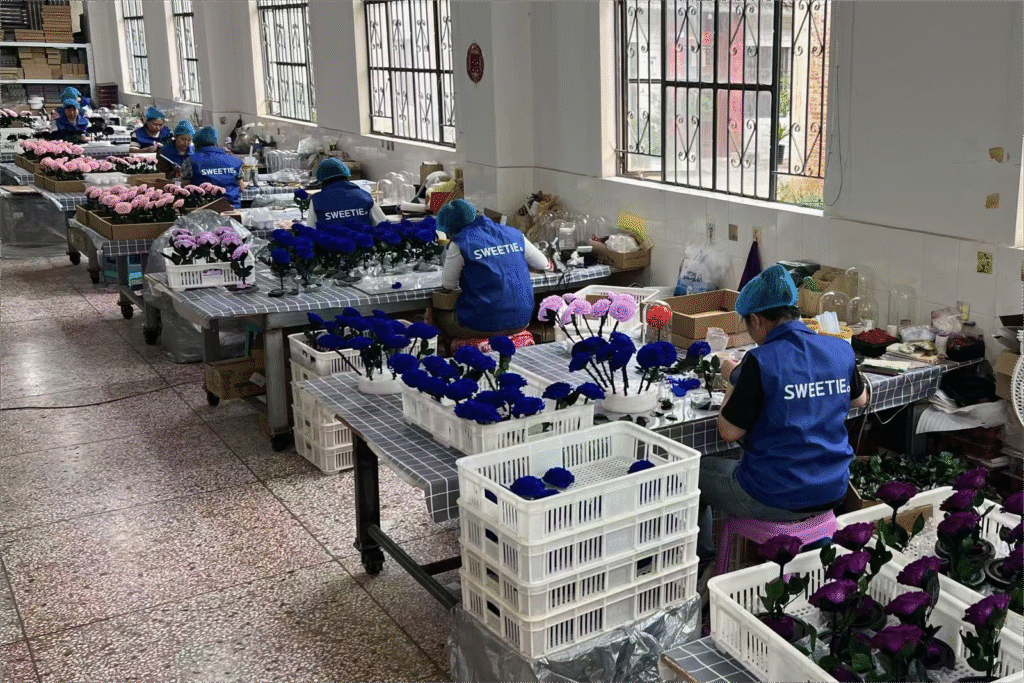
That is also how Sweetie-Gifts approaches development in practice. Company materials describe a workflow that starts with customer requirements and early research, then moves into sampling or visual development, revision, production scheduling, quality inspection, shipment, and follow-up.
That kind of process matters because it reduces the gap between idea and execution.
Working on a floral gift, branded gift set, or seasonal promotion item? Email inquiry@sweetie-group.com.
FAQ
Why do some custom gift ideas fail after sample approval?
Because sample approval only proves that a concept can be made once. It does not prove that the design is efficient to assemble, safe to ship, stable in bulk production, or suitable for the intended sales channel.
What should a manufacturer improve before bulk production starts?
A good manufacturer should review structure, materials, assembly complexity, packaging protection, shipping method, cost impact, and bulk repeatability before production begins.
Is packaging really part of product development?
Yes. In many gift categories, packaging affects protection, presentation, shipping survival, and customer experience. Treating it as an afterthought often creates preventable problems.
What is a sign that a manufacturer is thinking ahead?
A strong manufacturer asks about channel, shipping method, budget, product risk, and which visual details are essential before moving too far into sampling or production.
Why is this especially important in floral and decorative gifts?
Because these products often combine delicate presentation with higher shipping risk. They require stronger coordination between product form, packaging, and real delivery conditions.
Final thoughts
Many custom gift ideas do not fail because they are unattractive. They fail because they were never fully prepared for production.
That is why choosing a manufacturer is not only about capacity or price. It is about choosing a partner that can close the gap between design and execution before that gap becomes expensive.
That is the difference between making a sample and making a real product.
For OEM, ODM, wholesale, or custom gift development inquiries, email inquiry@sweetie-group.com.
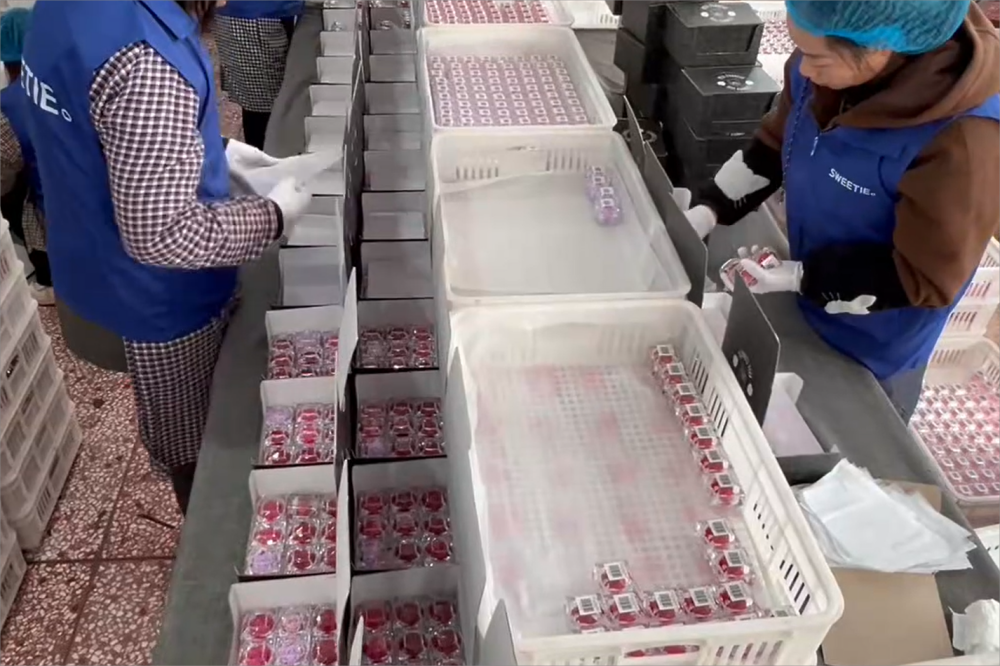
Annie Zhang, CEO of Sweetiw Group