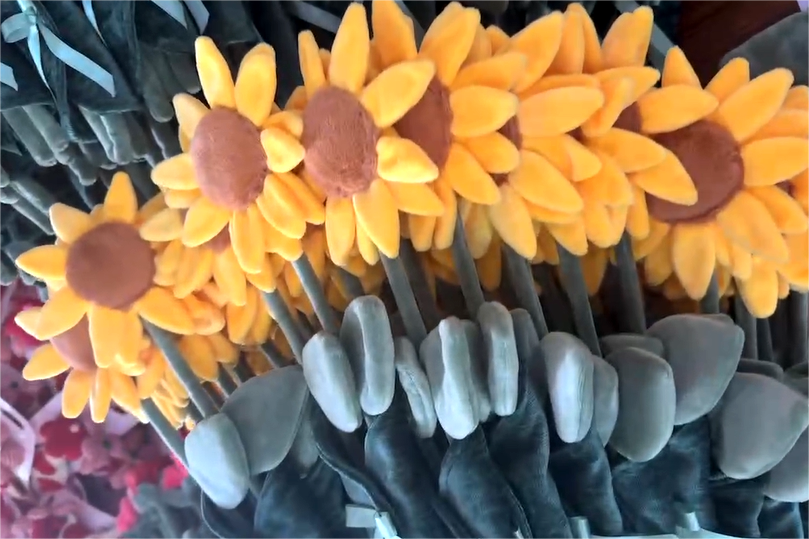
Bulk plush flowers are easy to buy once and surprisingly hard to reorder. The sample can feel perfect, then the next production run arrives slightly flatter, less soft, or inconsistent in color. In my experience as a manufacturer CEO, those problems rarely come from one big mistake. They come from missing material specs.
This article is a practical guide to help wholesale buyers define plush flower materials in a way factories can execute consistently. I will walk through fabric selection, filling choices, structure basics, and the cost levers that matter most. You will also get a simple spec framework you can copy into your next inquiry.
If you want me to help you translate your product idea into a clear material spec sheet that suppliers can quote accurately, email inquiry@sweetie-group.com.
Why material specs matter more than the design sketch
A plush flower can look identical in photos while feeling completely different in hand. That is because the sensory experience is driven by:
- Fabric pile density and knit stability
- Filling grade and fill method
- Support layers that hold shape
- Finishing steps that reduce shedding and keep edges clean
When any of these are vague, your supplier will fill in the blanks with whatever is available at the moment. That may work for one order, but it will not stay stable across reorders.
A good wholesale program is not built on luck. It is built on a repeatable bill of materials and a supplier who can follow it.
Start with the channel, not the fabric name
Before choosing fabric, align on the selling environment. Different channels reward different material priorities.
Supermarkets and high volume seasonal programs
Focus on stability, low returns, efficient packing, and fast replenishment. You usually want a fabric that holds shape well and does not look thin under bright store lighting.
Gift shops and premium retail
Focus on hand feel and perceived value. A softer fabric and better filling often pay back in conversion, even if unit cost rises slightly.
Ecommerce and shipping intensive models
Focus on crush resistance and recovery after compression. You are buying fewer complaints and better reviews, not just materials.
Brand private label and product development teams
Focus on repeatability, documentation, and compliance readiness. A beautiful sample is not enough. You need specs that can survive six months of sourcing changes.
If you share your channel, target retail, and expected pack out, I can suggest a material direction that fits your business model. Email inquiry@sweetie-group.com with a short description of where you sell and your target price point.
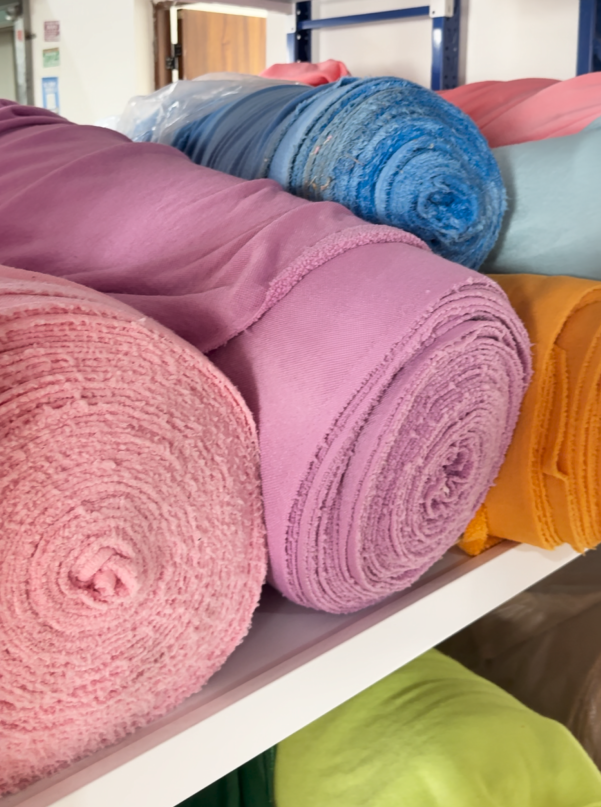
Fabric selection: how wholesale buyers should think about plush textiles
Most plush flower fabrics are polyester based, but that does not mean they perform the same. Two fabrics can both be labeled polyester and still behave differently in cutting, sewing, and long term appearance.
Instead of focusing only on names like velboa or minky, evaluate fabrics using four practical criteria:
- Pile behavior: how the surface fibers sit and reflect light
- Knit stability: how much the base stretches during sewing
- Finish quality: how the fabric resists shedding and pilling
- Color performance: how consistent dye lots look under retail lighting
Common fabric families used in plush flowers
Short plush fabrics such as velboa
These are popular for wholesale because they cut cleanly and hold crisp petal shapes. They can also print patterns clearly, which matters for gradient petals or themed collections.
What to request from suppliers:
- Fabric weight range expressed as GSM
- Pile length range
- A physical swatch from the intended bulk source
When this fabric fails, it usually fails because the fabric is too light, the finish is weak, or deep colors show lint and shading.
Ultra soft plush fabrics such as minky
These are chosen when touch is the selling point. Many gift programs win on softness because customers pick up the product and decide in seconds.
What to request:
- Confirm pile density expectations with an approved sample
- Confirm sewing stability, since softer knits can stretch more
- Confirm pilling risk for your intended use case
When this fabric fails, it often fails as pilling in high friction areas or slight shading differences across panels.
Fleece style fabrics
These are stable and cost effective. They are often used for wraps, outer bouquet collars, or entry level products.
What to request:
- Anti pilling grade if available
- Color consistency confirmation
- Clear usage location in the design, since fleece is not ideal for crisp petal detail
When this fabric fails, it usually fails on perceived premium look at close range.
Long pile faux fur
This is used for bold statement bouquets. It is visually strong but requires better process control.
What to request:
- Shedding control steps after cutting
- Trimming consistency standards
- Packing method that prevents matting
When this fabric fails, it fails as shedding, uneven pile, or inconsistent trimming.
Filling choices: what makes plush flowers feel expensive
A plush flower can have premium fabric and still feel cheap if the filling is wrong. The two most common wholesale complaints related to filling are:
- Lumps or hard nodes
- Flattening after shipping or shelf handling
Polyester fiberfill
This is the most common filling. It can be excellent or terrible depending on grade and handling.
What to specify:
- Filling type and grade
- A fullness standard, either grams per unit or an approved feel standard tied to the pre production sample
- A requirement that there be no detectable hard nodes by hand inspection
What good fiberfill does:
- Recovers quickly after compression
- Distributes evenly with minimal shifting
- Maintains softness without collapsing at the edges
Recycled PET fiberfill
This can be a strong option for brands that want an eco story, but it must be controlled carefully.
What to specify:
- Confirmation of odor control and storage management
- A pre production sample using the same filling lot intended for bulk
- A clear statement of recycled content claim boundaries, so marketing and compliance stay aligned
Weighted pellets for standing arrangements
This is common for pot bases or desk décor items.
What to specify:
- Pellets must be contained in an inner pouch
- Stitch reinforcement around high stress seams
- A drop and shake tolerance, so pellets do not migrate or leak
A quick buyer test for filling quality:
- Compress the flower head firmly three times
- Check rebound time and whether the edges collapse
- Run your fingers along seam lines to detect hard nodes
- If it feels worse after three compressions, it will feel worse after shipping
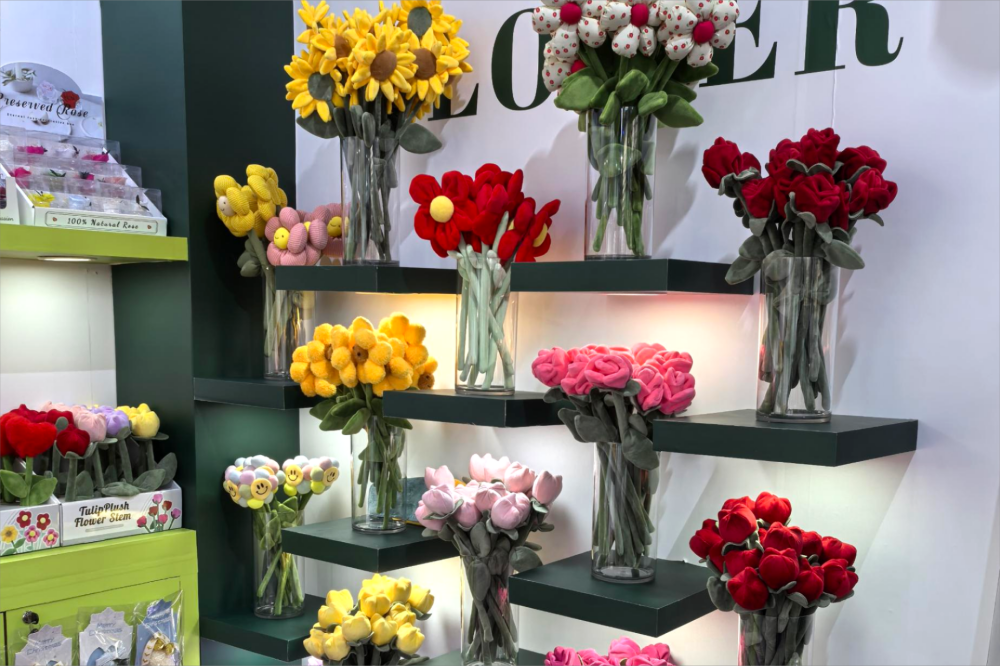
Structure and support: the reason some plush flowers arrive crushed
Wholesale buyers often focus on fabric and filling but forget the support layers that keep the silhouette clean.
The most common support elements are:
- Wire inside stems and leaves for pose and stability
- Interfacing layers inside petals for crisp shaping
- Foam or internal forms for roundness and shipping recovery
For a bouquet that ships in cartons, structure is not an upgrade. It is insurance.
If your program is ecommerce heavy, tell your supplier early. It changes the material plan because compression recovery becomes a priority.
A simple spec sheet framework you can copy into inquiries
Below is a compact table you can paste into your supplier inquiry. It keeps the table narrow and practical while still forcing the right conversations.
| Component | What to specify | Why it matters | Quick check on samples |
|---|---|---|---|
| Outer fabric | Fabric family, GSM range, pile feel standard, swatch source | Controls softness, premium look, shedding, pilling | Rub test for fuzz, check thinness under light |
| Filling | Type, grade, fullness standard, no lump expectation | Controls rebound, lump risk, feel consistency | Compress three times, check hard nodes |
| Support layers | Interfacing type and location, internal forms if needed | Controls petal shape and shelf silhouette | Compare side profile after compression |
| Stem and wire | Wire material, thickness expectation, end protection method | Controls pose, durability, safety | Bend test, check for poke through risk |
| Packaging | Insert or collar requirement, carton spec, orientation | Controls damage rate and returns | Shake test, open carton, check deformation |
If you want, send me your current product concept and target price. I can return a cleaner one page spec outline you can use with any factory. Email inquiry@sweetie-group.com.
The cost levers that actually move your unit price
Wholesale pricing is rarely driven by one thing. It is usually the sum of several small decisions. Here are the levers that matter most, explained in buyer language.
Fabric grade and fabric weight
Higher fabric weight and better finishing often increase cost, but they reduce returns by improving appearance consistency and reducing shedding.
Labor minutes
Complex petals, multiple layers, and tight curves increase sewing time. Embroidery and appliqué also add machine time. If you need premium detail, budget for labor, not just material.
Filling volume and fill method
Adding more filling increases cost and carton volume. But under filling is one of the fastest routes to a cheap feel and bad reviews. The right approach is to set a fullness standard that matches your channel.
Support and structure
Interfacing, internal forms, and stem reinforcement cost money. They also prevent shipping deformation. For ecommerce, structure often pays for itself.
Packaging and protection
Packaging is part of the product. Inserts, collars, and better carton strength reduce damage. If you sell online, packaging can be a bigger cost driver than expected, but it is also one of the biggest return reducers.
Inspection and documentation
If you require clearer QC standards, third party inspection, or compliance documentation, the quote may rise. The question is whether it reduces downstream loss. For most large programs, it does.
How to evaluate suppliers using material conversations
Many factories can make a plush flower. Fewer can make it consistently across reorders.
When you talk with a plush flowers supplier, listen for specifics:
- Do they ask for your channel and packaging method before quoting
- Can they discuss GSM, filling grade, and support layers in clear terms
- Do they suggest a pre production sample process that locks materials before mass production
- Can they explain how they control color lots for deep colors
- Do they show a packing method that protects the flower head shape
Red flags are also simple:
- They cannot name fabric types beyond generic terms
- They promise perfect results but cannot describe how they control variables
- They quote quickly without asking how you will ship and sell the product
Practical recommendations by channel
If you sell in supermarkets
Aim for stable short plush fabrics with consistent weight, a standard but resilient fiberfill, and packaging that stacks well. Keep designs simple and repeatable.
If you sell in gift shops
Invest in hand feel and presentation. Consider a softer premium fabric, better rebound filling, and branded trims. Customers decide in seconds based on touch.
If you sell online
Prioritize compression recovery. Support layers and packing protection matter more than most buyers expect. The goal is to open the carton and see a flower that looks like the photos.
If you are building a private label program
Write a spec that survives turnover. Lock swatches, define fullness standards, document color approval, and standardize packaging. This is how you protect your brand line across seasons.
Closing: what to do next
If you are exploring plush flowers as a category, the fastest way to reduce risk is to turn your idea into a clear material plan. Once materials are defined, pricing becomes more accurate, sampling becomes faster, and reorders become predictable.
If you want my team and me to recommend a material direction for your channel, I am happy to help. Email inquiry@sweetie-group.com with your target market, target price, and any reference photos. I will reply with a practical starting point for fabric, filling, support structure, and packaging.
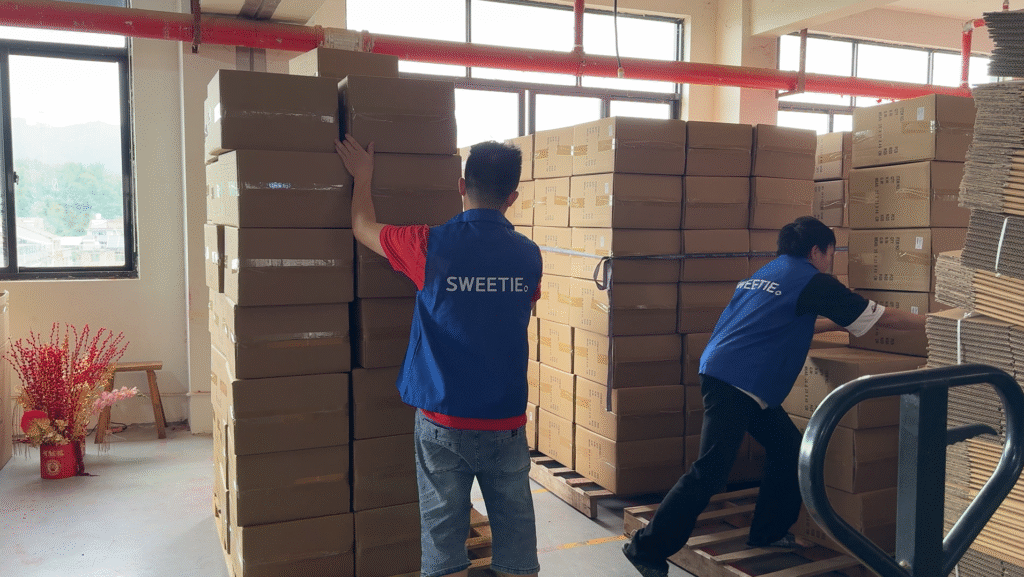
Annie Zhang, CEO of Sweetie Group