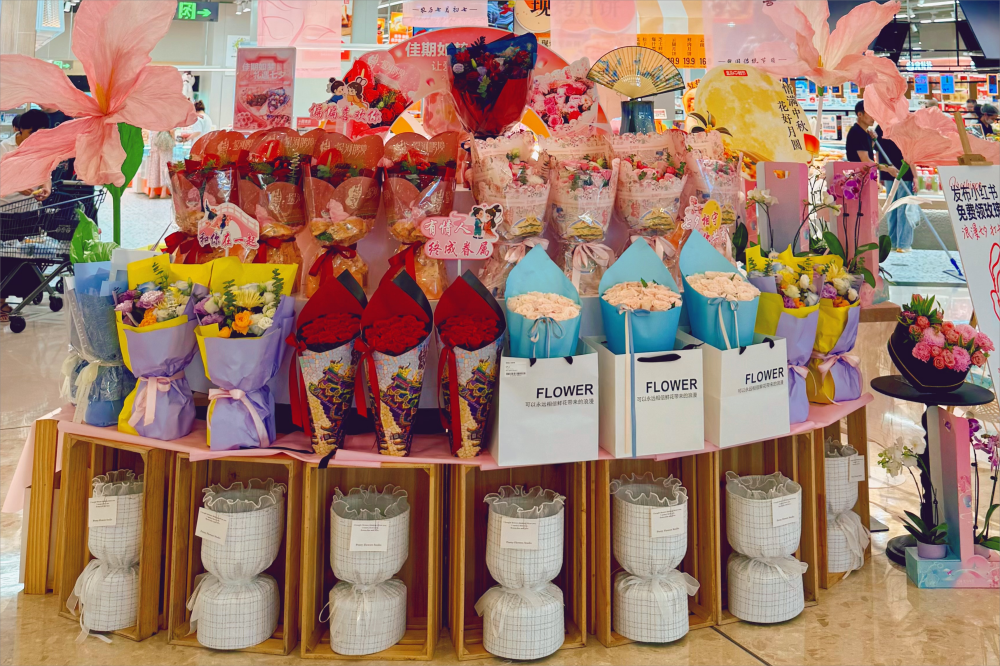
Retail floral gifting looks soft and romantic from the outside. On the inside, it is logistics, process discipline, and risk control.
I have learned that most sourcing problems are not caused by one dramatic mistake. They come from small gaps that compound: a slight color shift between batches, a box that scuffs on the way to stores, a design detail that cannot be repeated consistently on a production line, or a seasonal timeline that slips by a week and misses the shelf window.
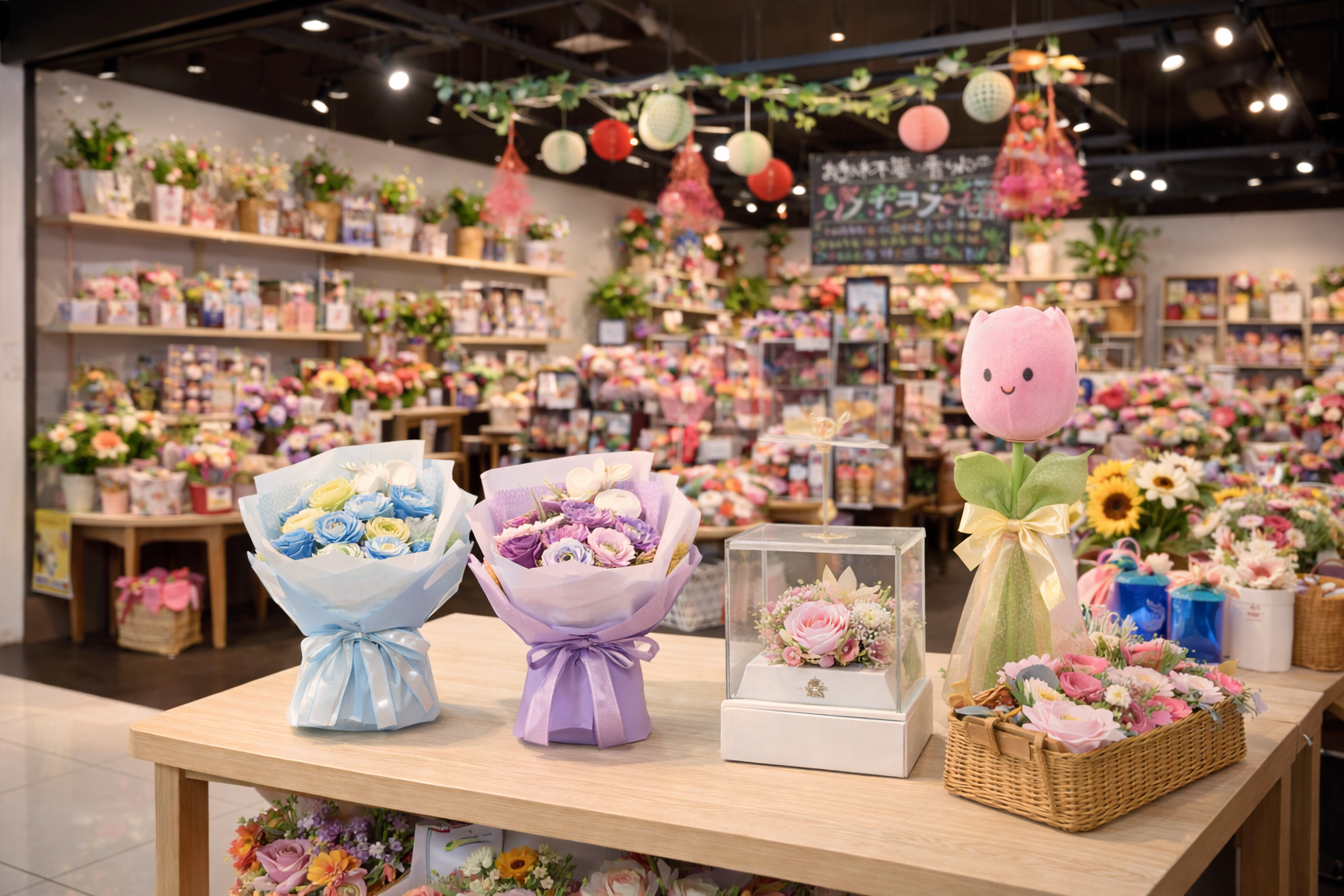
In 2025, Sweetie supported several domestic retail programs in China across supermarkets and convenience channels. The brands and festivals may be China specific, but the operating logic is the same as the US and Europe: you win when the product is predictable, shelf friendly, and easy to scale.
This article is a new playbook based on those projects. I am not repeating the previous recap. I am sharing a different lens: how I structure retail programs so buyers can control risk before it becomes expensive.
If you want me to map a retail program timeline for your next seasonal launch, email inquiry@sweetie-group.com with your target shelf date and channel type.
What Retail Buyers Actually Buy (It Is Not Just a Flower)
When a buyer approves a floral gift for retail, they are approving a full system:
- A product that looks gift worthy in real store lighting
- Packaging that protects and still sells visually
- A design that can be made repeatedly without drifting
- A delivery plan that matches store operations and peak season pressure
If one of these fails, the whole program feels unreliable. That is why I start every project with the same question: what will break first at scale?
The Four Failure Points I Plan Against
1. Batch consistency
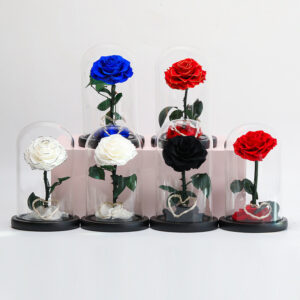
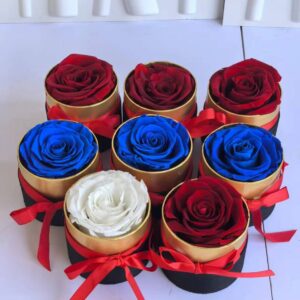
Preserved flowers, plush flowers, and soap flowers all have their own consistency risks. For preserved flowers, color tone and petal condition matter. For plush flowers, fabric texture and stitching alignment matter. For soap flowers, the visual finish and deformation resistance matter.
My rule is simple: the sample is not a picture. The sample is a standard.
2. Packaging reality
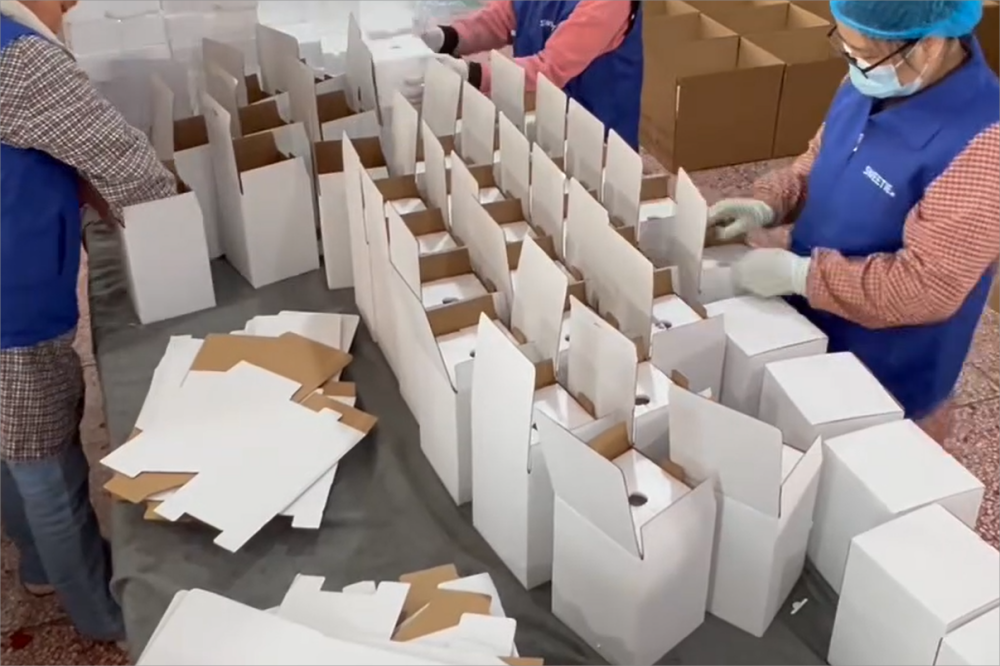
Retail packaging has two opposite jobs. It must protect the product, and it must sell the product. When we design packaging, we think about friction points like these:
- Will the box pick up dust, scratches, or lint in distribution
- Will the product touch the inner walls and deform
- Can store staff replenish quickly without damaging the product
- Can e-commerce style shock protection be added when needed
3. Design feasibility at volume
Retail buyers love unique ideas. Production loves repeatable structures. The gap between those two is where delays are born.
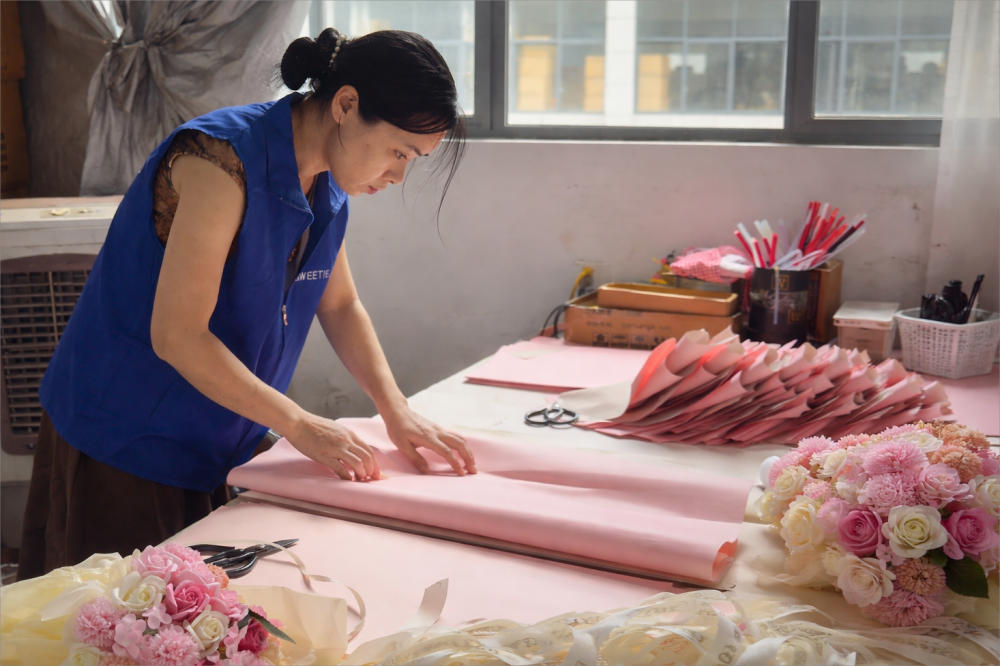
Before we finalize a concept, I push our team to answer: can this be produced consistently by skilled workers at the volume required, without constant rework?
4. Seasonal timing and the truth about lead time
Seasonal products are not just about lead time. They are about certainty.
Preserved flower processing involves multiple steps and drying time, so calendar planning must start earlier than many buyers expect. That is not a sales statement. It is a production reality. The earlier we lock the core structure and packaging, the more stable the final delivery will be.
How We Structured 2025 Retail Programs in China
Instead of listing projects as a simple recap, I want to show you the structure that makes these programs work.
Program Type 1: Supermarket seasonal gifting with preserved flowers (Freshippo and similar channels)
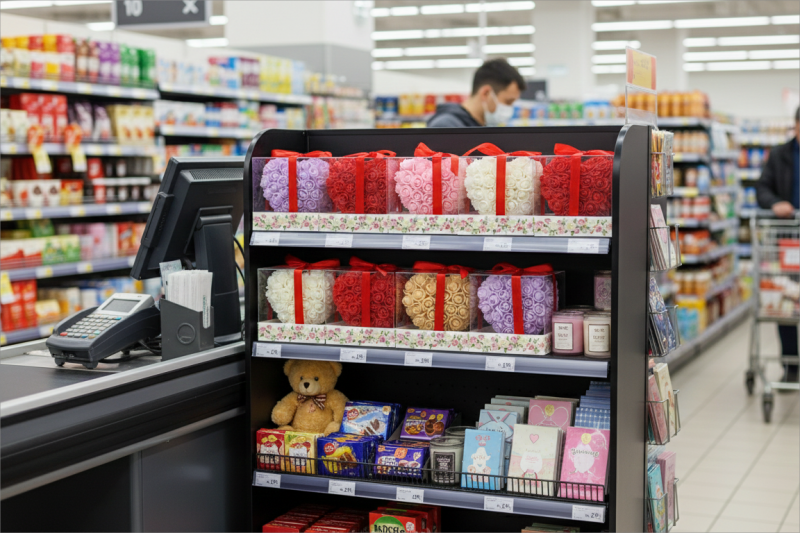
Supermarkets need products that look premium but operate like packaged goods. That usually means:
- Strong seasonal cues that read instantly
- Stable materials that tolerate long distribution chains
- Packaging that protects and still shows enough product
- A plan for consistent appearance across stores
In China, we supported multiple seasonal moments through the year. For many of these, preserved flowers paired with holiday elements were the most controllable option. It helped the retailer plan earlier and reduce last minute quality surprises.
What I would copy for US and EU programs
If you are planning supermarket gifting, I recommend building your program around three anchors:
- One core flower structure that stays stable across seasons
- Seasonal visual updates that are low risk to change
- Packaging rules that do not change every time
This reduces engineering time, lowers error rate, and makes replenishment smoother.
If you tell me your top three seasonal moments and target price range, I can recommend a stable core structure and a seasonal variation plan. Email inquiry@sweetie-group.com.
Program Type 2: Convenience store gifting (FamilyMart style requirements)
Convenience retail has a different truth: the shopper is in a hurry.
That changes what sells.
For high emotion days like Valentine’s Day and Mother’s Day
Fresh flowers can work because the consumer expectation is immediate. The operational requirement is also immediate: short cycles, careful handling, and fast store execution.
For occasions like Teacher’s Day
A durable gift often wins. Plush flowers are easy to carry, stable in storage, and consistent across locations. They also avoid the fear of buying fresh flowers last minute.
The key lesson for convenience channels is not “fresh versus preserved.” The lesson is speed plus simplicity. The product must be easy for the shopper to choose, and easy for stores to stock.
Program Type 3: Year end seasonal display programs (Christmas and New Year)
For year end programs, visibility and durability become the center of the design.
The product must hold up through heavy handling, rapid replenishment, and frequent movement in store. Even if a gift looks perfect when it leaves the factory, it will not succeed if packaging and structure cannot survive real operations.
This is where we focus on:
- Reinforcing the internal support so the main elements do not shift
- Protecting surfaces that tend to scratch during transit
- Ensuring the product still looks festive after repeated handling
Not Retail, But Retail Level Pressure: Promotions and Corporate Gifts
Some buyers ask me whether promotional gifts and corporate gifts belong in a retail discussion. I think they do, because the pressure is similar: volume, timing, and low tolerance for inconsistency.
Promotional gifts (example: food and service brands)
Promotional gifts are judged in seconds. The gift must feel intentional, not cheap. It must also be easy to distribute.
Soap flower mini bouquets are often a smart choice here because they are visually consistent and efficient to produce at scale. They are designed for gifting and decoration, not for cleaning use, so the material system is built for appearance and presentation.
Corporate gifts (example: health and tech brands)
Corporate gifting looks quiet, but the risk is high. The brand reputation is on the box.
Corporate buyers tend to prioritize:
- Consistent appearance across the batch
- Packaging that arrives clean and presentation ready
- Predictable delivery dates
- A supplier who owns problems instead of avoiding them
In practice, corporate gifting is a stress test of a supplier’s internal discipline.
A Buyer Friendly Workflow You Can Use
When you source floral gifts for retail or retail level programs, here is a workflow that keeps control in your hands:
- Lock the channel, price band, and shelf date first
- Choose the most controllable material option for that channel
- Approve a physical sample as the standard, not photos
- Confirm packaging structure and protection plan early
- Validate design feasibility for mass production before final sign off
- Run a pre shipment QC plan aligned to your risk areas
- Build a simple feedback loop after delivery to improve the next run
This is the approach we use to keep programs stable across seasons.
Where Sweetie Can Help
At Sweetie, we work on floral gifts through the lens of “Flower plus Everything,” meaning we combine flower materials with packaging, seasonal storytelling, and production discipline so the final product can survive real channels.
If you are sourcing for supermarkets, convenience chains, gift channels, or brand programs, I prefer to start with your calendar and constraints, then build the right structure and timeline from there.
If you are planning 2026 seasonal floral gifts and want a realistic plan for sampling, packaging, and delivery, email inquiry@sweetie-group.com with your target market and timeline. I will reply with a recommended approach and next steps.
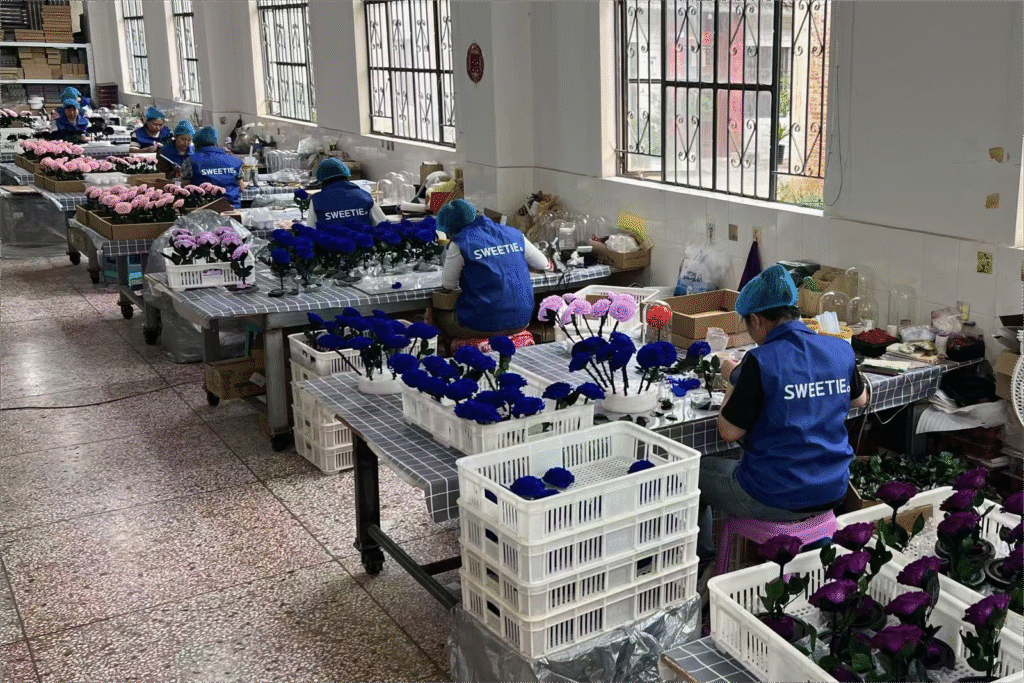
Annie Zhang, CEO of Sweetie Group