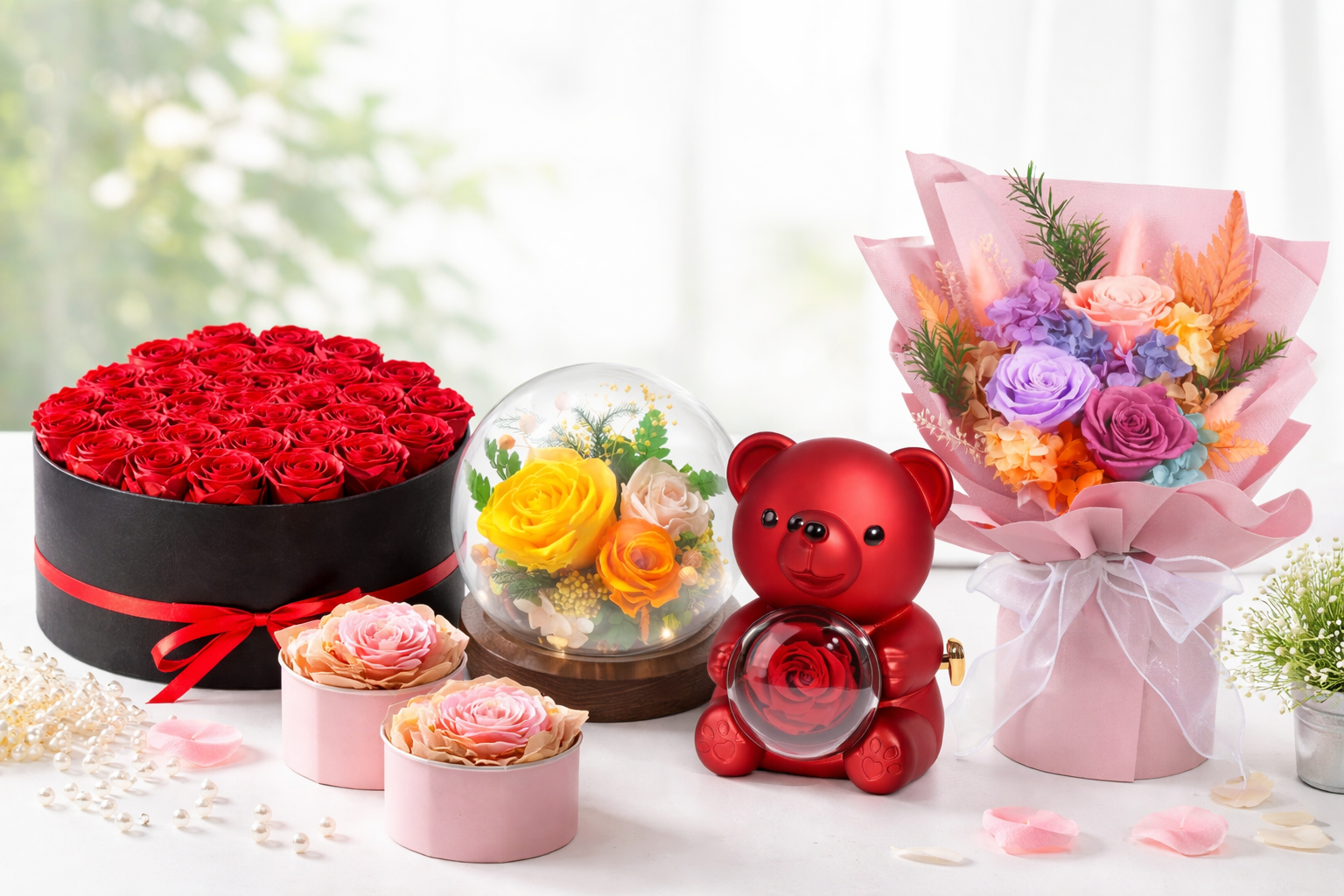
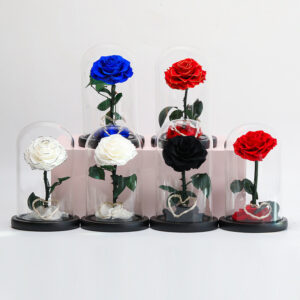
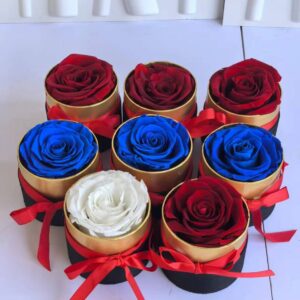
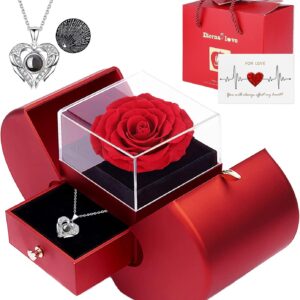
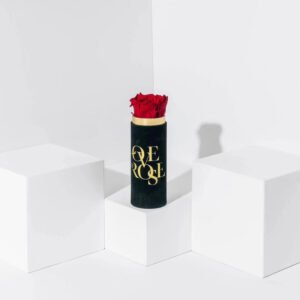
Soap flower gifts can look premium on day one and still underperform at retail if the merchandising is not planned. The difference usually comes down to three things: where the product sits in the store, how customers interact with the packaging, and whether the presentation clearly communicates “gift ready” within a few seconds.
This article is written for gift shops, chain stores, florists, and brand buying teams that treat soap flowers as a decorative gift category. If you want channel specific suggestions for your assortment and packaging formats, email me at inquiry@sweetie-group.com.
Why soap flower merchandising is different from fresh flowers
Soap flowers are not a living product, so success is not about hydration and vase life. Success is about protecting finish and appearance over time while keeping the item easy to purchase as a gift.
In retail, the most common performance killers are simple:
- Customers pick up boxes repeatedly to compare, then put them back slightly damaged
- Units sit too close to heat or humidity and lose shape or surface quality
- Displays make the product look like “decor” rather than “gift,” which lowers urgency to buy
When merchandising is designed to prevent these issues, sell through improves and shrink declines.
Start with the shopper decision path
Most shoppers do not walk in thinking “I need a soap flower.” They walk in thinking:
- I need a gift
- I need something that looks nice
- I need it fast
- I do not want maintenance
Your display should guide that decision path. The goal is to make the product instantly legible as a gift option.
Use short messaging that removes friction
Keep the message tight and benefit based. In store sign cards can be as short as:
- Ready to gift
- No watering needed
- Long lasting decor
These are not marketing slogans. They answer the unspoken questions that prevent purchase.
If you want help drafting compliant, retail friendly sign card language for your market, email inquiry@sweetie-group.com and I will share a simple template.
Store placement strategy that actually changes sales
Soap flower gifts generally sell better in “gift intention zones” than in “flower zones.” Where you place them decides how shoppers interpret them.
1) Front of store gift discovery zone
This is your best location when you want to build the category. Place soap flowers beside other quick gift solutions such as candles, small accessories, or greeting cards. This positions the item as a ready made gift, not a niche floral product.
2) Seasonal feature area
Soap flowers perform strongly when tied to moments like Valentine’s Day, Mother’s Day, graduations, and holiday gifting. Use seasonal feature space to present a focused assortment, not every SKU you carry. Fewer choices with stronger visual organization usually converts better.
3) Checkout and last minute gift area
Smaller box formats and compact bouquets are ideal here. The shopper is already in purchase mode, and the product needs only to look premium and easy to carry. This placement also reduces long browsing and handling.
Packaging display decisions: keep what sells and protect what matters
The biggest debate is whether to display units open for scent and texture or sealed for protection. A smart approach is not an either or choice. It is a controlled combination.
The sample plus sealed stock method
Use one sample unit for presentation, and keep the remaining sellable units sealed. This gives you:
- Strong visual impact
- Reduced dust and handling damage
- Cleaner inventory on the shelf
The sample should be clearly marked as display only. If you do not label it, shoppers treat every unit as a sample.
When sealed presentation is the better default
High traffic environments need protection first. In supermarkets and busy chain stores, sealed packaging typically performs better because it reduces messy shelves and damaged product.
When open presentation can be worth it
Boutique gift shops can use open presentation selectively, especially for higher value items where shoppers expect to see the product clearly. In this case, keep a protective cover or a display box around the open sample to reduce dust.
If you are deciding which packaging formats match your store type, email inquiry@sweetie-group.com and I can recommend a display plan by channel.
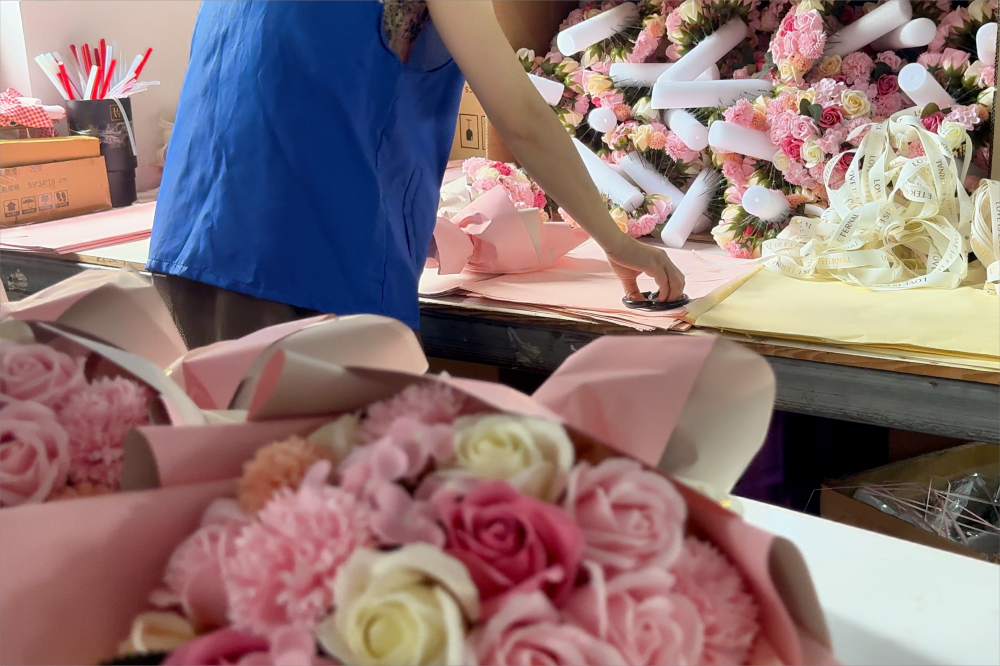
Build a display that reduces touching without looking unfriendly
Many retailers try to solve damage by telling customers “do not touch.” That rarely works. Good merchandising reduces the need to touch in the first place.
Use height and visibility to your advantage
Tiered stands and risers allow shoppers to view the assortment without lifting boxes. This improves the shopping experience and decreases wear.
Give products space
Crowded shelves increase friction and scuffing. Leave small gaps between items so boxes can be removed and returned without scraping neighboring units.
Present color choices in a logical system
Avoid random mixing. A simple system converts better:
- Arrange by color family from light to deep
- Group by box size and series name
- Place best sellers at eye level
This helps shoppers compare quickly and reduces unnecessary handling.
Environmental control: what matters most in real stores
Retailers often assume that if the store feels comfortable to people, it is safe for product display. With soap flower gifts, small differences in placement can change outcomes.
Avoid direct window exposure
Window displays can look beautiful but often cause faster fading. If you must use a window, rotate the samples regularly and avoid leaving your highest saturation colors in the strongest light.
Keep away from heat and humid zones
Do not place soap flowers near heating vents, kitchen areas, steam producing equipment, or any location where humidity fluctuates. These areas can soften materials and impact shape consistency.
Watch air conditioning vents
Constant airflow can increase dust and reduce scent more quickly. A slightly calmer area often preserves display quality longer.

Cross merchandising that increases basket size
Soap flowers become easier to buy when the customer sees the complete gifting solution. Pairing is not random. It should reduce steps.
Effective pairings include:
- Greeting cards and small gift notes
- Gift bags and tissue paper
- Ribbon or minimal wrap accessories
- Small add on items like mini candles or ornaments
Place these items close enough that the shopper can build a gift in one stop.
A practical merchandising plan for common retail types
Gift shop
- Feature a coordinated series at the entrance
- Use one display sample per series
- Keep sellable units sealed and clean
- Add a simple sign card with three benefits
Supermarket or chain store
- Focus on sealed packaging and simple layouts
- Use checkout placement for smaller formats
- Keep seasonal displays tight and highly organized
- Avoid locations near heat, steam, and heavy traffic pinch points
Florist
- Position soap flowers as low maintenance gifting
- Use them to serve customers who want longevity
- Keep the presentation premium and gift focused rather than floral tool focused
How we support retail ready soap flower programs
At Sweetie, we work with international buyers to design soap flower gifts that fit real retail conditions. That includes packaging protection, series planning, and display formats that reduce damage while keeping the product visually premium.
If you are building a soap flower assortment for retail or gift programs and want a channel specific display recommendation, email inquiry@sweetie-group.com.
Conclusion
Soap flower gifts sell best when the display does three jobs at once: it signals gift intent, it protects the product from wear, and it makes selection fast. With the right placement, packaging strategy, and shelf organization, retailers can increase sell through and reduce shrink without adding labor.
Annie Zhang, CEO of Sweetie Group