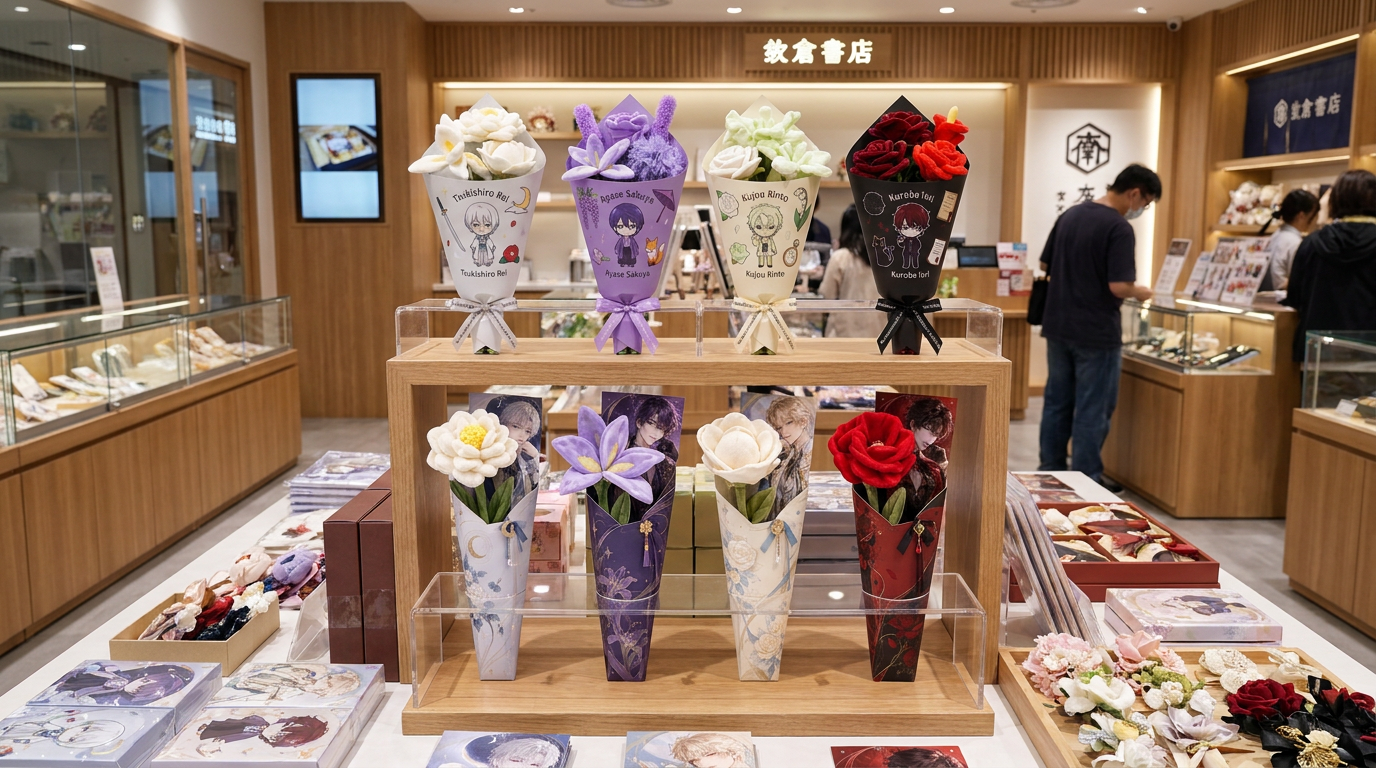
To choose the right plush flower stem length, evaluate container height, opening diameter, and flower head weight, ensuring the usable insertion length provides upright balance and natural visual proportions for your display setting. Matching total flower height to container geometry prevents top-heavy tipping, drooping blooms, and overcrowded presentations across tabletop vases, commercial merchandising fixtures, and self-serve flower bars.
What Is the Difference Between Total Height, Stem Length, and Usable Insertion Length?
Procurement managers, retail merchandisers, and commercial gift buyers frequently encounter sizing discrepancies when sourcing plush botanical lines. In standard wholesale catalogs, an item listed as a 35 cm plush flower might not fit a 20 cm vase as expected because overall length does not equal usable exposed stem. To make accurate purchasing decisions, buyers must distinguish between three distinct physical dimensions that govern how plush flowers interact with display vessels.
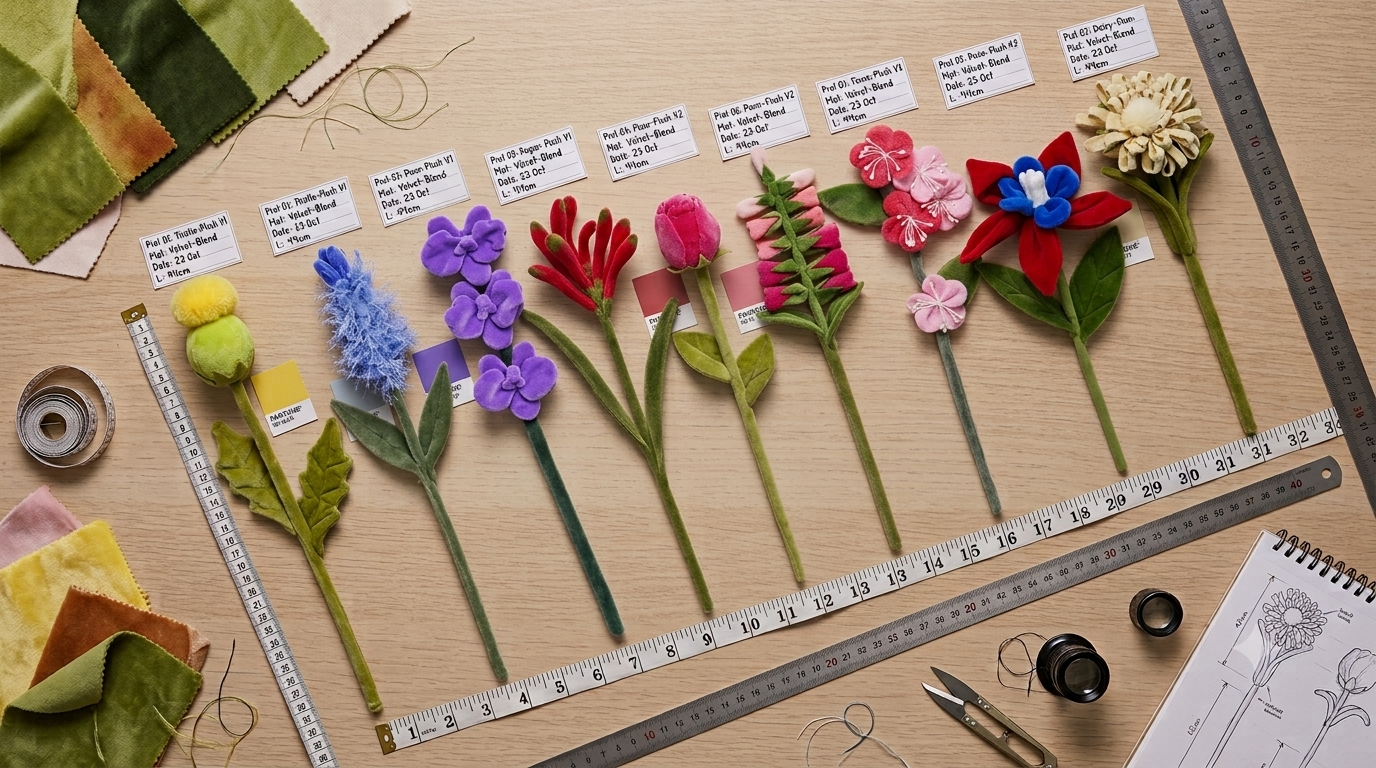
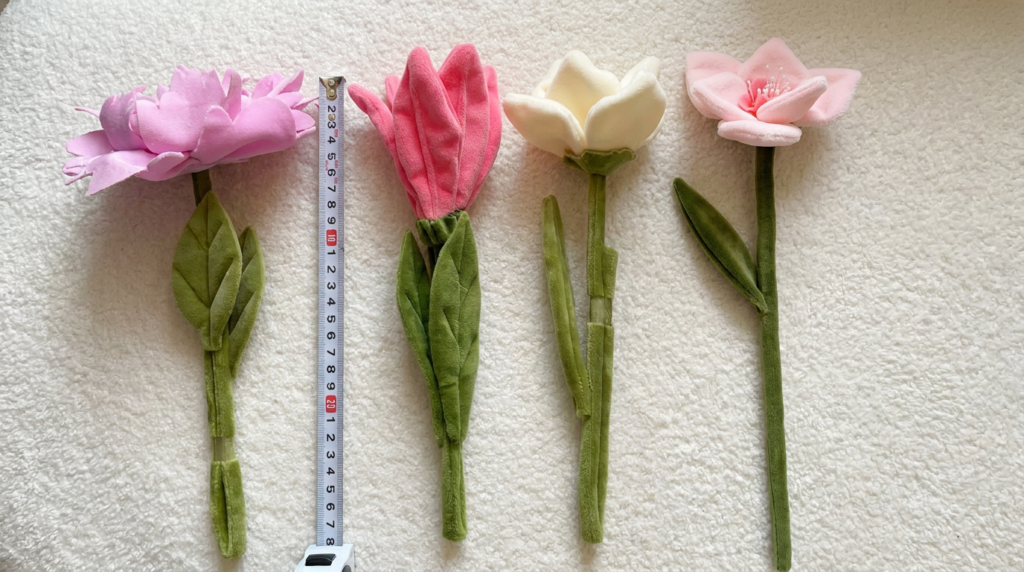
- Overall Flower Height (Total Height): This represents the complete linear measurement taken from the base of the fabric stem up to the highest petal, petal tip, or crown of the bloom. Sweetie-Gifts’ existing single-stem plush flowers are generally 30 to 60 cm in overall height. Many standard catalog designs measure slightly over 30 cm, while specialty mini stems sit in the 20 cm range. These figures represent approximate manufacturing baselines rather than universal industry standards.
- Exposed Stem Length: This is the visible, uncovered segment of the stem extending from the top rim of the container to the lowest leaf node or the bottom of the fabric calyx. Exposed stem length creates visual airiness, sets the aesthetic spacing between neighboring blooms, and displays decorative stem features such as fabric leaves or stitched thorns.
- Usable Insertion Length (Base Anchorage Depth): This is the lower portion of the stem that rests completely submerged inside the container or retail display fixture. Usable insertion length provides the mechanical counterbalance, friction against vessel walls, and base support needed to keep the plush flower head upright without leaning or spinning.
Misjudging these dimensions leads to common retail presentation errors. If buyers calculate fit using only total height, stems with large, tall flower heads may leave too little stem inside the vessel, causing them to pitch forward. Conversely, choosing stems solely on stem wire length without accounting for bloom height can result in arrangements that look stunted or top-heavy. Clear dimensional definitions allow visual merchandising teams and wholesale buyers to align factory specifications directly with their planned fixture heights.
How Do Container Height and Opening Width Determine Plush Flower Stem Requirements?
Selecting appropriate plush stem lengths requires analyzing both the vertical depth and the horizontal opening diameter of your target display containers. Unlike fresh cut flowers, plush botanical stems cannot be easily trimmed on the retail floor with standard floral shears without fraying fabric wraps, exposing raw wire cores, or compromising stitched end-caps. Therefore, pre-ordering the correct stem length is essential for clean execution.
For balanced tabletop and shelf displays, a practical visual proportion is having the exposed floral section (exposed stem plus flower head) measure approximately 1.0 to 1.5 times the height of the vase. In an illustrative scenario where a standard ceramic vase stands 20 cm tall with a balanced base, a plush flower with a total height of 35 cm to 45 cm creates a harmonious aesthetic silhouette. In this illustrative configuration, the lower 15 to 18 cm of the stem functions as the usable insertion length resting inside the vase, while the remaining 20 to 27 cm rises above the rim to showcase the plush bloom and leaf elements.
Container opening diameter dictates how stems sit and splay inside the vessel:
- Narrow Openings (under 5 cm): Vases with restricted necks keep stems clustered close to vertical alignment. In these containers, stems maintain nearly 100 percent of their vertical height, meaning shorter overall stems can achieve adequate display height.
- Medium Openings (5 cm to 10 cm): Standard commercial vases accommodate modest stem bouquets. Stems naturally lean at slight angles of 10 to 20 degrees, which reduces their effective vertical height by approximately 2 to 4 cm.
- Wide Openings (over 10 cm): Wide bowls, ceramic crocks, and flared buckets cause stems to splay outwards at dramatic angles. Without a high stem count or internal filler, stems slide sideways and their vertical reach drops significantly. In wide vessels, buyers must either specify longer stem lengths to maintain height or increase stem density per container to create mutual structural support.
Understanding this relationship ensures that retail displays maintain balanced proportions without requiring costly post-production adjustments or supplementary mechanical supports.
If you need plush flowers sized for your vases or flower bar, email sales@sweetie-group.com with your preferred styles, container dimensions, target sizes, and order quantity so our team can review suitable designs and customization options.
How Does Flower Head Weight and Construction Affect Stem Stability and Display Fit?
Plush flowers possess distinct structural characteristics compared to traditional silk, plastic, or dried floral products. A plush bloom consists of multiple fabric panels, dense polyester fiberfill stuffing, internal embroidery backings, and decorative appliques. These components add physical weight to the top of the stem, altering the center of gravity and placing unique structural demands on the stem core.
- Center of Gravity and Lever Mechanics: As bloom diameter and stuffing density increase, the center of gravity shifts higher up the stem. For heavy designs such as multi-layered plush peonies, sunflowers, and oversized novelty blooms, a short insertion depth acts as an inadequate lever arm. If the insertion length is less than one-third of the total flower height, the head weight can pull the stem over the vase lip or destabilize lightweight ceramic containers.
- Internal Core Gauge Selection: Commercial plush flower stems rely on internal galvanized wire or flexible composite plastic rods enclosed within stitched fabric sleeves. Stems designed for tall 45 to 60 cm items require thicker, higher-gauge internal wire cores to provide rigid vertical column strength. Shorter 20 to 30 cm stems can utilize lighter, more pliable wire cores that allow easy hand-shaping and bending by end consumers.
- Functional Leaf Placement: Fabric leaves attached along the stem serve practical engineering roles in addition to decorative appeal. When lower leaves are positioned precisely at or just above the rim of the container, they act as natural mechanical resting ledges. These leaves prevent the stem from slipping deeper into wide vessels, stabilize lateral movement, and hide the structural opening of the vase.
When planning plush flower vase sizing wholesale programs, matching head volume with appropriate stem stiffness and insertion depth ensures that arrangements stay upright and pristine under long-term retail display conditions.
How Should You Size Plush Flower Stems for DIY Flower Bars and Retail Bucket Displays?
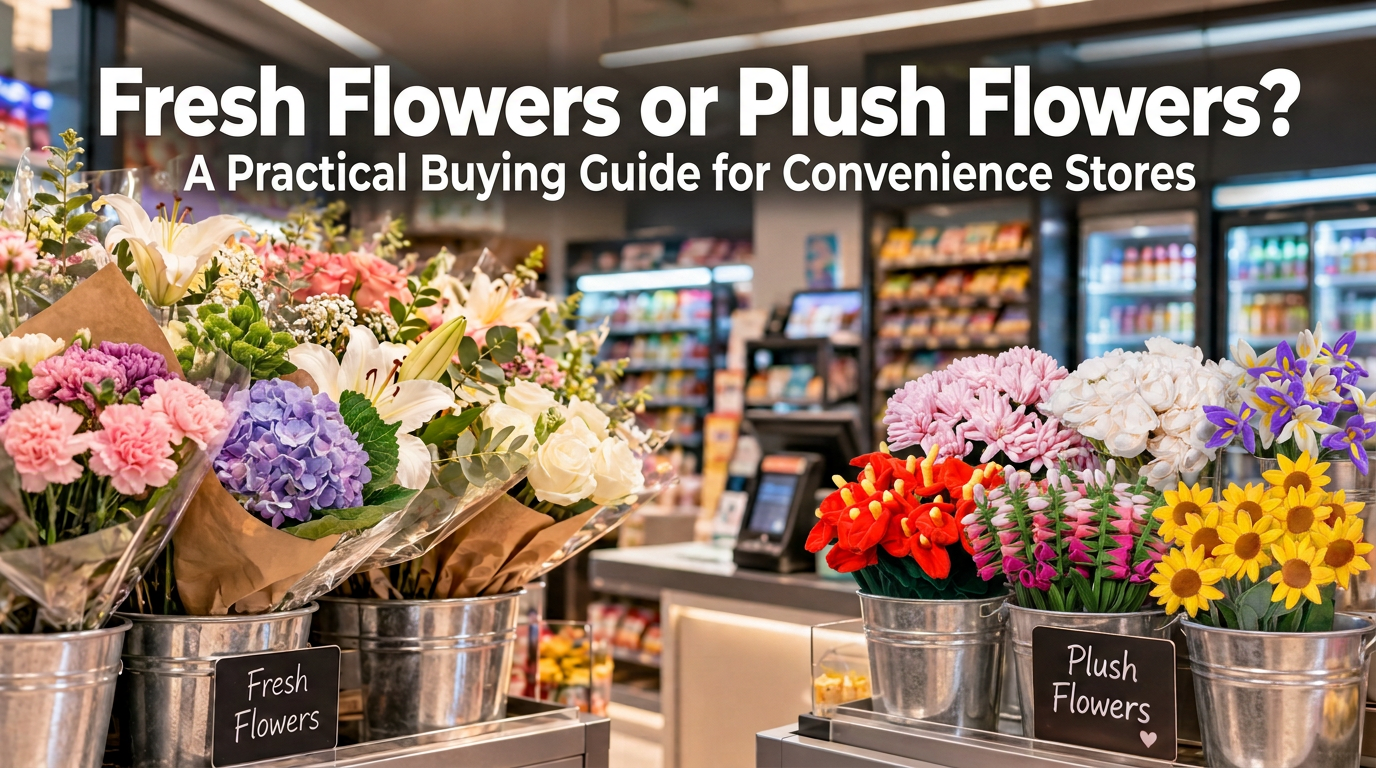
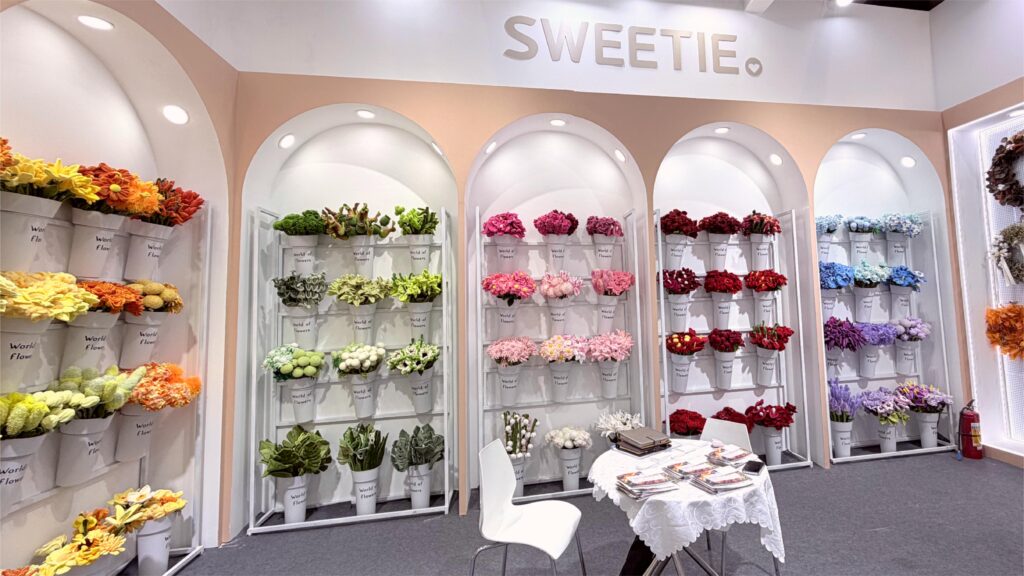
Interactive DIY flower bars and self-serve retail fixtures present merchandising requirements distinct from static vase arrangements. In a flower bar setup, retail customers browse, touch, pull, and mix different plush stems to assemble personalized bouquets. Sizing must therefore account for customer handling ergonomics, tier visibility, and high-traffic fixture stability.
Commercial display buckets for retail flower bars typically feature container depths ranging from 20 cm to 35 cm. When designing an interactive display, stem sizing should be organized across distinct height tiers:
- Front-Row Buckets (Compact & Accent Stems): Designed for shallow containers measuring 12 to 18 cm in height. Stems in this tier should feature an overall height of 20 to 30 cm. This height range is ideal for compact novelty blossoms, filler greenery, small daisies, and budget-friendly impulse items, ensuring they remain visible without being swallowed by deeper neighboring buckets.
- Middle-Tier Buckets (Standard Commercial Stems): Intended for medium containers measuring 20 to 26 cm in depth. Stems in this category should measure 30 to 45 cm in overall height. This range represents the primary core volume of most retail assortments, accommodating popular botanical varieties such as plush roses, tulips, carnations, and lavender sprigs.
- Back-Tier Fixtures (Statement & Focal Stems): Built for deep floor-standing or elevated wall buckets measuring 28 to 38 cm in depth. Plush stems in this tier should measure 45 to 60 cm in total height. These substantial stems provide visual backdrop impact, draw shopper foot traffic across commercial aisles, and anchor larger multi-stem custom arrangements.
Ergonomics are equally critical in interactive retail environments. A well-designed plush flower for flower bar display must maintain a clear, unencumbered grip zone of at least 10 to 12 cm between the container rim and the lowest leaf attachment. If leaves are placed too close to the base, they become trapped inside the bucket, causing adjacent stems to snag, tangle, and pull multiple flowers out when a customer selects a single stem.
Retail teams planning multi-store assortments or balancing SKU mixes across diverse display fixtures can use Sweetie AI to assist in selecting products and structuring wholesale purchase orders aligned with their specific retail channels, merchandising fixtures, and target price points.
When and How Can You Request Custom Stem Lengths and Adjusted Proportions?
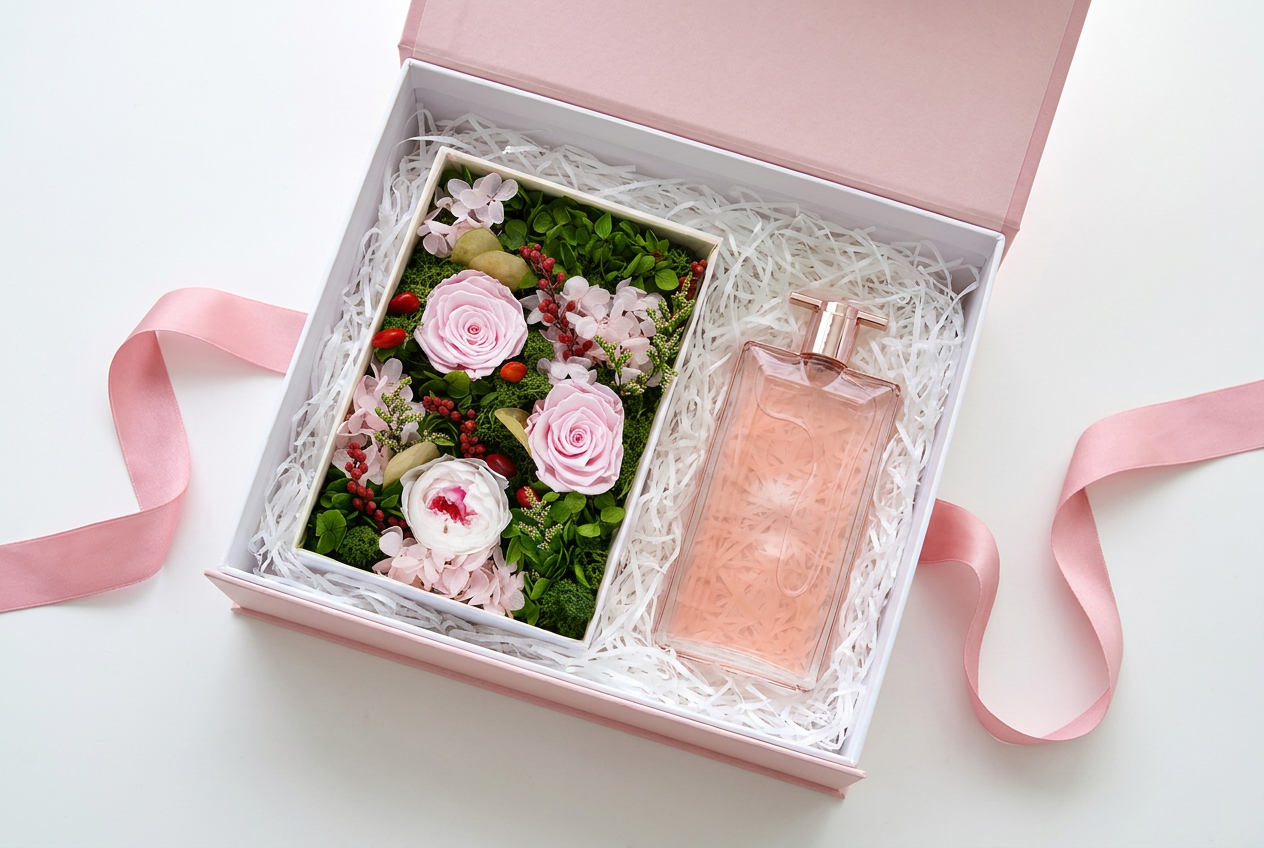
While standard catalog heights of 30 to 60 cm serve most conventional floral applications, specialized commercial projects often require custom stem length plush flowers. Custom sizing is frequently requested for pre-packaged gift boxes, seasonal subscription crates, tabletop planter boxes, and proprietary branded containers where standard lengths would either stick out excessively or require awkward manual folding.
Customizing stem length involves comprehensive structural and aesthetic adjustments during manufacturing rather than simple wire cutting:
- Stem Shortening on Compatible Styles: For suitable single-stem plush botanical designs with continuous fabric wraps and standard wire cores, stems can be shortened on request during mass production. Shortening reduces overall height while maintaining proper end-capping and seam stitching at the base.
- Adjusting Leaf Placement and Proportions: Simply shortening a stem without altering leaf placement can cause fabric foliage to bunch awkwardly against the calyx or disappear below the container rim. Factory customization adjusts leaf attachment points higher up the stem and scales leaf surface area proportionally, ensuring the finished piece maintains realistic botanical balance.
- Core Gauge and Weight Optimization: Shortening plush stems reduces leverage, allowing production facilities to utilize lighter internal core materials. This reduces individual unit weight, minimizes package carton volume, and significantly lowers international shipping freight expenses on large-volume wholesale import orders.
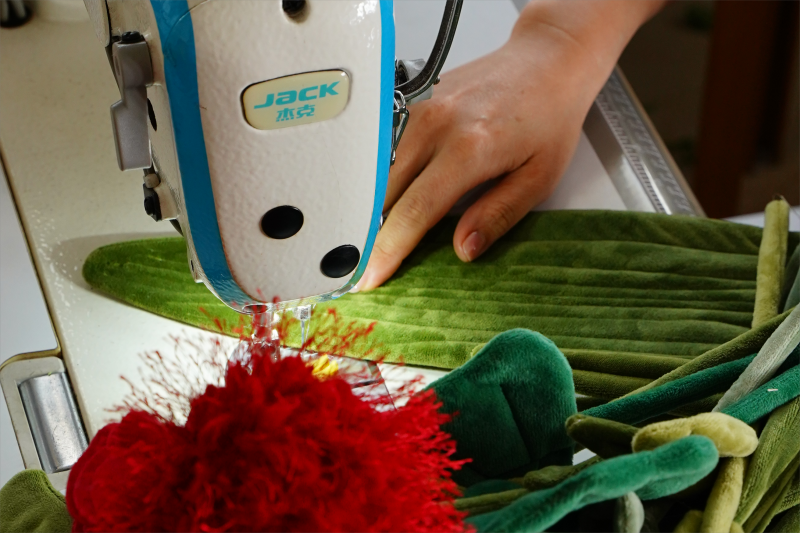
- Fabric and Pattern Adjustments: On designs featuring specialized stem textures, such as plush thorns, printed veins, or multi-tone gradient velour, adjusting the stem length requires recalibrating fabric cutting dies and embroidery patterns so design details remain centered.
B2B buyers should note that not every complex plush style can be modified. Multi-branch botanical designs, stems with integrated motion mechanisms, or products with molded internal armatures may have fixed structural constraints. Reviewing technical feasibility with manufacturing specialists ensures that modified designs meet stability standards.
To discuss custom stem modifications, container compatibility, or tailored production specifications for your retail assortment, reach out directly by visiting our contact page or send your requirements to sales@sweetie-group.com with container dimensions, reference styles, target stem heights, and estimated order quantities.
What Is a Practical Commercial Specification Reference for Sizing Plush Flowers?
The following engineering reference matrix outlines common commercial display containers, recommended plush stem dimensions, and technical considerations to help B2B buyers match procurement specifications with merchandising hardware.
| Merchandising Fixture / Container Type | Container Height Range | Recommended Plush Total Height | Recommended Insertion Depth | Leaf Placement & Stability Guidelines |
|---|---|---|---|---|
| Bud Vase / Desktop Ceramic Pot | 10 cm to 14 cm | 20 cm to 28 cm | 8 cm to 11 cm | Lowest leaf placed at least 10 cm above base; lightweight head construction prevents vessel tipping. |
| Standard Tabletop Gift Vase | 16 cm to 22 cm | 32 cm to 42 cm | 13 cm to 18 cm | Mid-stem leaf node rests near vase rim to stabilize medium-weight blooms like plush daisies and roses. |
| Tall Ceramic Urn / Floor Cylinder | 30 cm to 40 cm | 50 cm to 60 cm | 24 cm to 32 cm | Requires heavy-gauge wire core; high foliage placement maintains vertical stability in deep vessels. |
| Countertop DIY Flower Bar Caddy | 14 cm to 18 cm | 25 cm to 35 cm | 10 cm to 14 cm | Requires minimum 10 cm clean grip zone above rim to enable snag-free customer pulling. |
| Standing Metal Retail Bucket | 28 cm to 36 cm | 45 cm to 60 cm | 22 cm to 30 cm | Reinforced internal wire core resists bending from frequent shopper browsing and restocking. |
| Flat Presentation Gift Box / Hamper | 6 cm to 10 cm (depth) | 22 cm to 32 cm | Full stem laid flat | Pliable wire core allows gentle manual curve adjustments to fit rigid inner box dimensions. |
Frequently Asked Questions About Plush Flower Dimensions
Can retail store staff manually bend plush flower stems to fit shorter display vases?
Yes, plush flower stems containing flexible wire cores can be gently bent by hand into a zigzag or U-shape at the bottom to adjust height for shallow containers. However, repeatedly bending thick internal wire back and forth can fatigue the metal core over time, and folded stems create added bulk that may not fit inside narrow-necked glass vessels. Ordering custom-shortened stems is recommended for permanent retail programs and high-volume merchandising displays.
How many plush flower stems are needed to create a full arrangement in a standard 10 cm vase?
Because plush fabric blooms and stuffed petals occupy more physical volume than real or silk botanicals, plush arrangements require fewer stems to look complete. For a container with a 10 cm opening diameter, 5 to 7 standard plush stems measuring 32 to 42 cm in total height typically create a balanced, full presentation without overcrowding petals or stressing vessel walls.
Does requesting a custom shorter stem length reduce the wholesale unit price?
Minor adjustments to stem length on existing production molds generally have a negligible effect on unit manufacturing costs. While shorter stems consume slightly less plush fabric and internal wire, custom production runs require dedicated pattern adjustments, tailored cutting dies, and assembly recalibration. Final unit pricing is primarily driven by total order quantity, fabric grade, and embroidery complexity rather than minor stem length reductions.
Annie Zhang