Design-led lifestyle retailers can maintain seasonal freshness and drive repeat visits without escalating inventory costs by leveraging hero products, testing new categories in controlled volumes, and executing disciplined SKU rationalization. Balancing design-forward curation with data-driven inventory reform allows brands to sustain novelty while maximizing retail store productivity and SKU control.
What is the core tension between seasonal freshness and inventory complexity in lifestyle retail?
In design-led lifestyle retail, the primary driver of customer acquisition and repeat visits is the sense of discovery. Unlike commodity retailers, lifestyle brands sell an emotional connection, aesthetic appeal, and curated trends. This demand for constant novelty requires a dynamic lifestyle retail seasonal product strategy. However, this pursuit of fresh visual merchandising frequently creates a major operational hazard: uncontrolled SKU proliferation.
When a creative team introduces new colorways, holiday themes, and localized gift packaging every quarter, the product catalog expands exponentially. This unchecked growth degrades operational efficiency across the entire supply chain.
The Negative Feedback Loop of SKU Proliferation
- Diluted Purchasing Power: Ordering smaller quantities across a vast array of unique items prevents retailers from securing volume discounts with manufacturing partners.
- Elevated Logistical Costs: Managing high-variance inventory increases warehouse handling times, sorting errors, and cross-docking bottlenecks.
- Marginalization of Floor Space: Small, slow-moving items crowd out high-performing core goods on the sales floor, lowering overall sales density.
- Forced Markdowns: Unsold seasonal inventory must be heavily discounted at the end of each period, directly eroding the brand’s gross margin.
To break this loop, successful brands recognize that freshness is not about having the maximum number of distinct products; it is about strategic visual rotation and precise SKU management in lifestyle retail. Retailers must establish clear SKU boundaries, defining the exact number of active items allowed in each store format at any given time.
How does Francfranc’s “VALUE by DESIGN” positioning drive repeat visits through hero products?
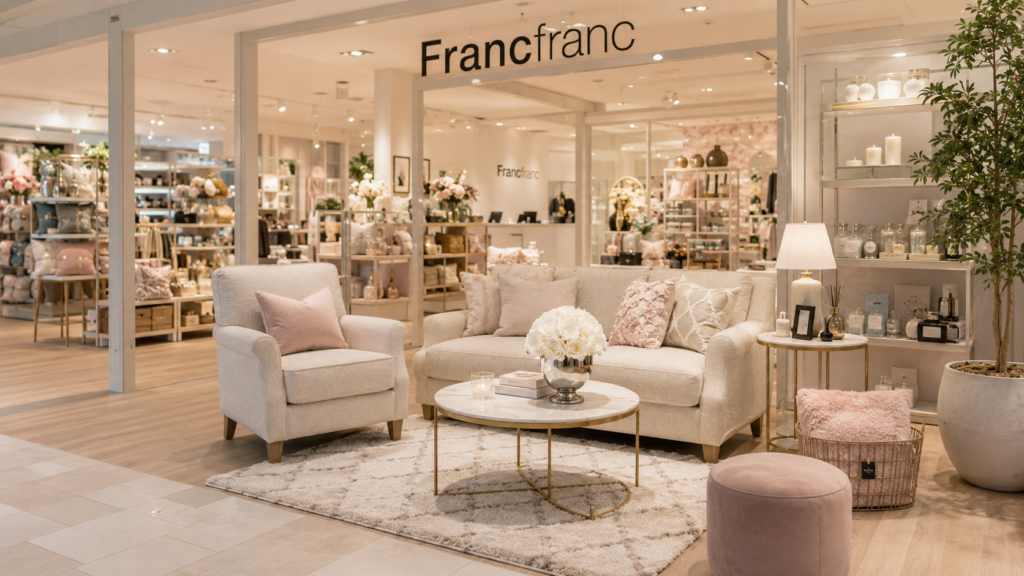
Francfranc, a prominent player in the Japanese lifestyle retail sector, has built its market share around its core philosophy of “VALUE by DESIGN.” This positioning asserts that high-quality, fashionable homeware and accessories should remain accessible, combining striking aesthetics with daily utility. To sustain repeat foot traffic without drowning in excessive SKU counts, Francfranc structures its assortment around powerful seasonal “hero products.”
A classic example of this strategy is the Fle Handheld Fan series. Rather than scattering development capital across hundreds of disparate summer gadgets, Francfranc focused intensely on engineering and styling a single, highly functional personal cooling fan.
Key Pillars of Francfranc’s Hero-Product Playbook
- Iterative Visual Updates: The structural design of the Fle Fan remains highly consistent, allowing for optimized tooling and manufacturing costs. Visual novelty is achieved entirely through annually updated color palettes, metallic finishes, and limited-edition marble patterns that align with contemporary fashion trends.
- Extensible Ecosystem: To increase average order value (AOV) and repeat purchases, Francfranc developed a modular family of accessories around the core fan, including desktop charging docks, customized carry clips, and decorative lanyards.
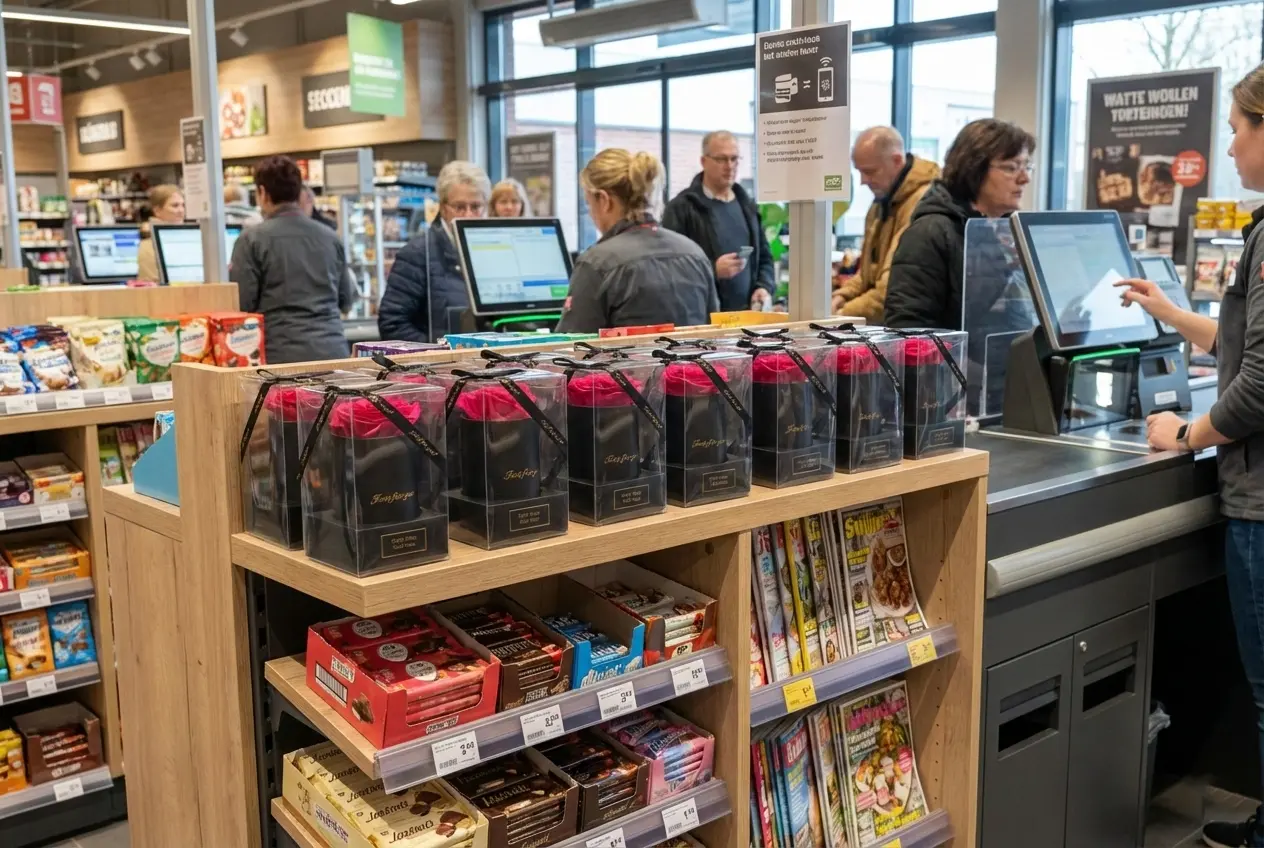
- Cross-Merchandising Integration: During peak summer months, these fans are placed at high-traffic zones—such as store entrances and checkout counters—acting as a highly visible draw that pulls customers into the store to browse larger home decor lines.
By anchoring its summer assortment with a highly recognizable, high-volume hero product, Francfranc drives substantial sales volume and brand engagement. This successful product family stabilizes seasonal revenues, giving the company the financial buffer and display space needed to test more speculative seasonal designs in smaller, controlled quantities.
What can retailers learn from AIN Holdings’ SKU rationalization and inventory reform?
When retail giant AIN Holdings acquired Francfranc, it recognized that the brand’s creative, design-centric culture needed a stronger foundation of operational discipline. AIN Holdings imported rigorous pharmacy-level inventory controls into the lifestyle space, spearheading a comprehensive Francfranc inventory reform designed to eliminate low-performing SKUs and optimize capital efficiency.
The reform targeted the long-tail products that accumulated on back-room shelves. Creative-led brands often hesitate to cut underperforming designs due to emotional attachment or fear of losing brand variety. AIN Holdings neutralized this bias by implementing strict, quantitative performance thresholds for every item in the catalog.
| Operational Metric | Pre-Reform Environment | Post-Reform (AIN Disciplined Approach) |
|---|---|---|
| SKU Curation Strategy | Intuition-driven; high variety across all sub-categories. | Data-driven; strict limits on active colorways and sizes. |
| Supplier Base | Fragmented across many specialized, low-volume vendors. | Consolidated into strategic partners with higher production flexibility. |
| Replenishment Cycles | Long lead times with large minimum order quantities (MOQs). | Short, responsive replenishment windows based on real-time POS data. |
| Clearance Policy | Gradual discounting; slow-moving items remained on shelves. | Fast, disciplined markdown schedules to free up shelf space instantly. |
| Gross Margin ROI | Depressed by high carrying costs and late-season clearance. | Optimized via faster stock turns and lower capital tie-up. |
This systematic approach proved that SKU reduction does not alienate customers. By focusing development resources on a leaner, high-performing selection, Francfranc simplified its supply chain, reduced dead stock, and freed up working capital to invest in superior raw materials and better product packaging.
How did the Kawagoe store experiment demonstrate the link between store productivity and SKU control?
To test the real-world impact of AIN’s SKU rationalization on physical retail, Francfranc initiated an operational trial at its Kawagoe store. The experiment aimed to prove that reducing the density of items on the sales floor would actually increase, rather than decrease, sales and profitability.
Historically, lifestyle stores operated on the assumption that crowded shelves signaled abundance and variety, encouraging impulse buys. However, the Kawagoe experiment revealed that excessive SKU density created “choice paralysis” for consumers and operational chaos for store staff.
By systematically reducing the active SKU count on the sales floor by a significant margin, the Kawagoe store achieved notable operational improvements:
Clear Benefits of Store SKU Rationalization
- Enhanced Visual Merchandising: With fewer competing items, remaining products were displayed in cleaner, more aspirational settings. High-margin collections were given more physical breathing room, making them stand out to shoppers.
- Drastic Reduction in Labor Hours: Store staff spent far less time sorting, unboxing, and replenishing complex, low-volume items. This directly improved retail store productivity and SKU control by allowing employees to focus on customer service and store presentation.
- Improved Inventory Accuracy: A simpler product mix led to fewer inventory errors, mismatched product tags, and stockout blind spots.
- Higher Conversion Rates: Customers could navigate the store layout more intuitively, resulting in quicker purchasing decisions and higher overall transaction numbers.
The Kawagoe trial successfully demonstrated that a disciplined physical footprint, backed by strict SKU limits, directly correlates with higher sales density and reduced operational overhead. It proved that a lean inventory model is highly compatible with an elegant, design-driven brand image.
How does the “Bloom Bar” concept illustrate low-risk seasonal gifting assortment planning?
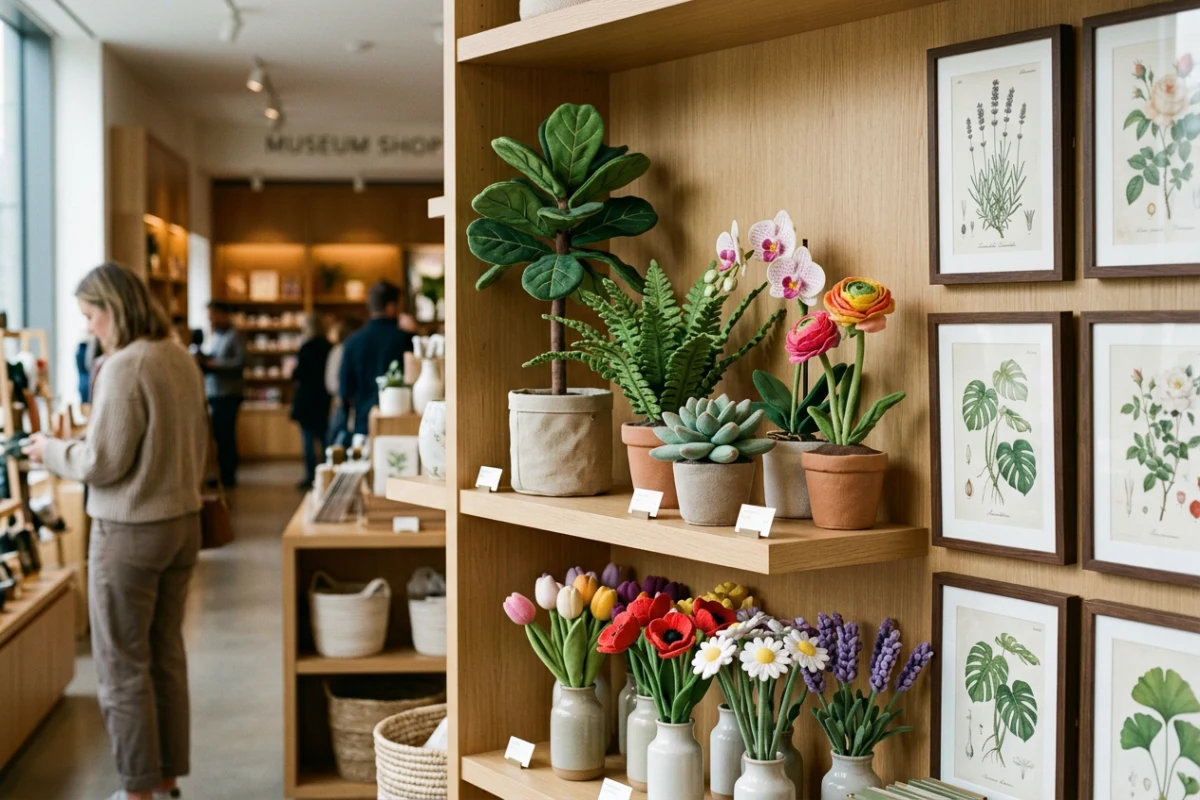
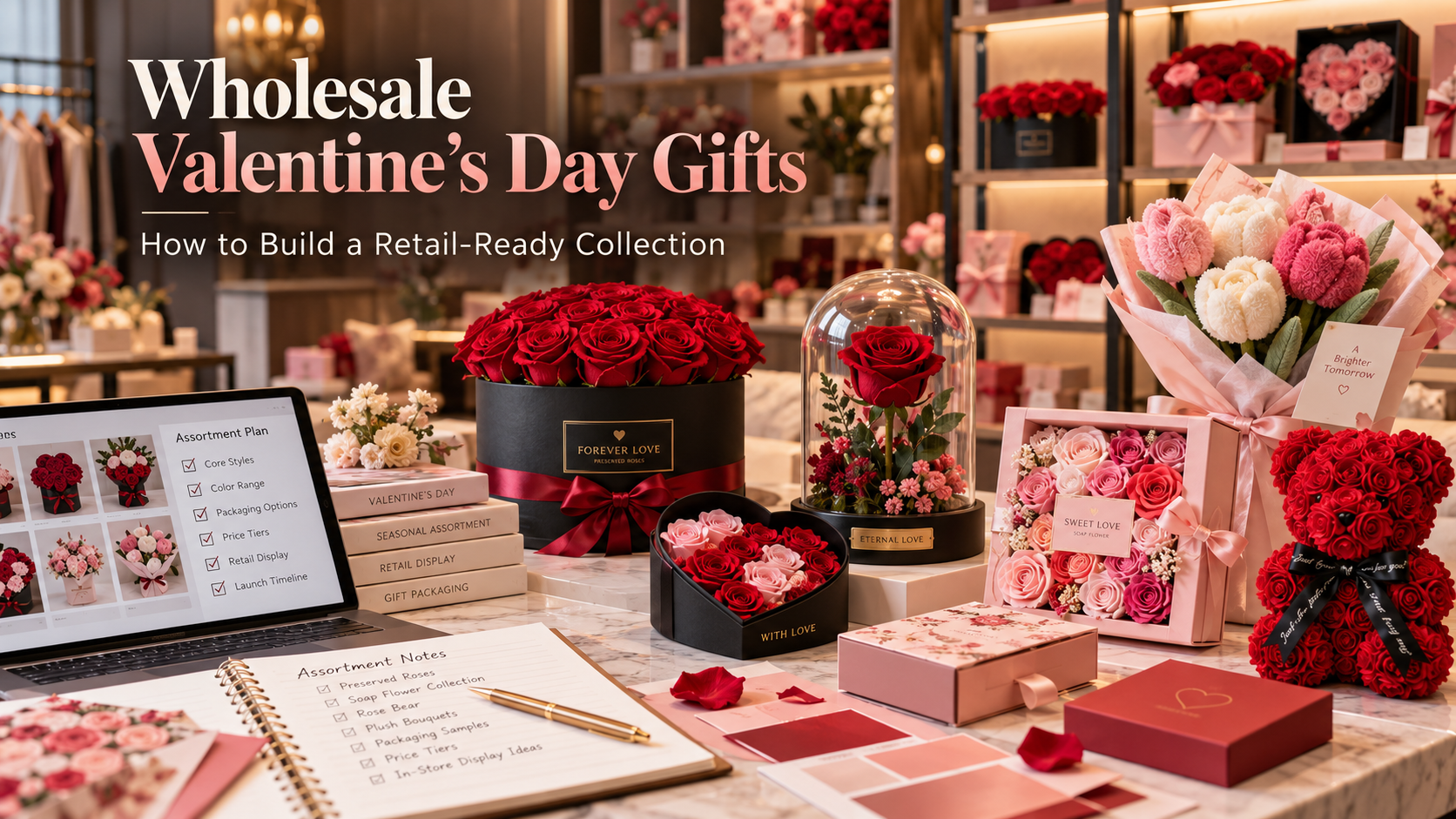
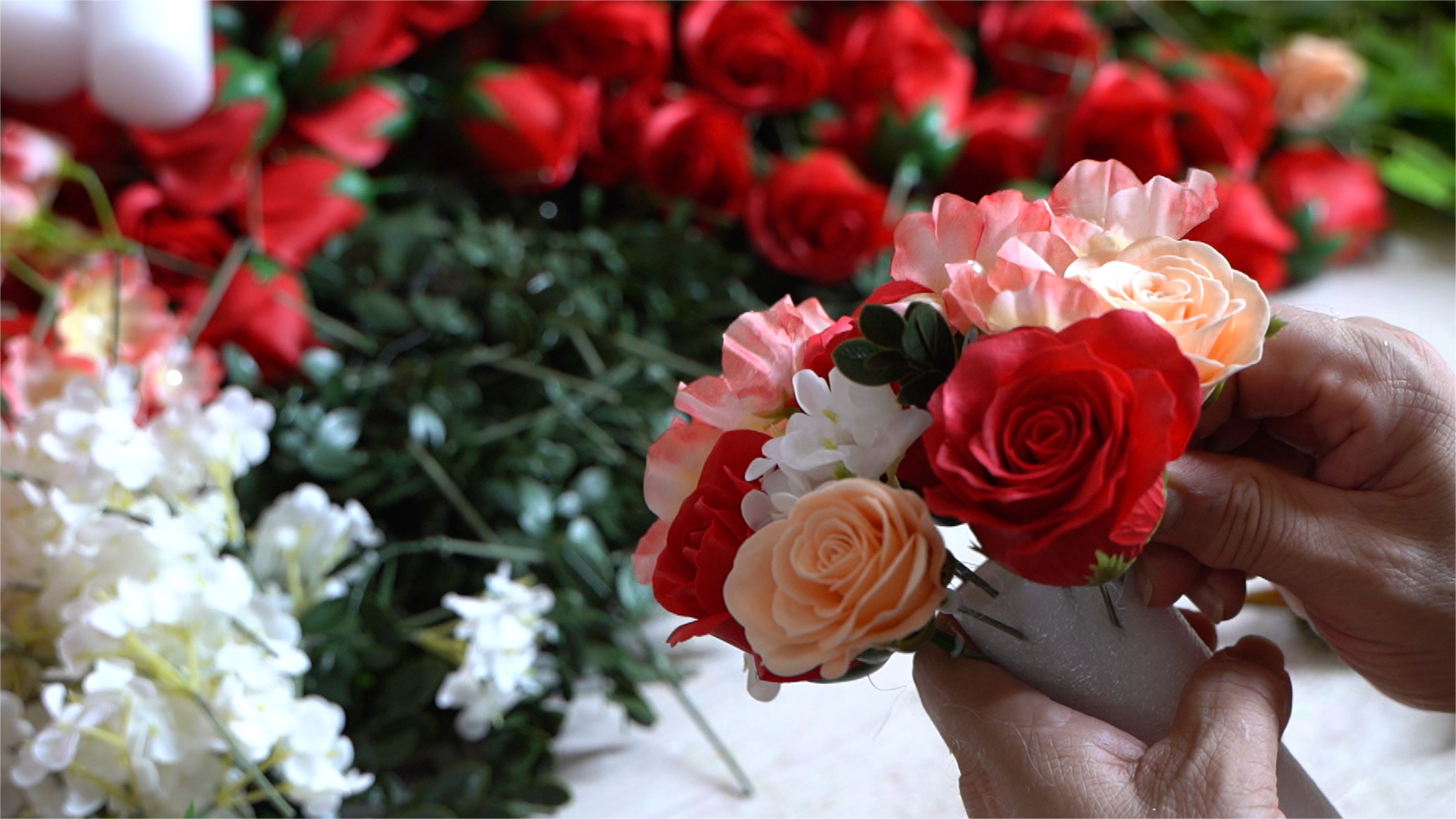
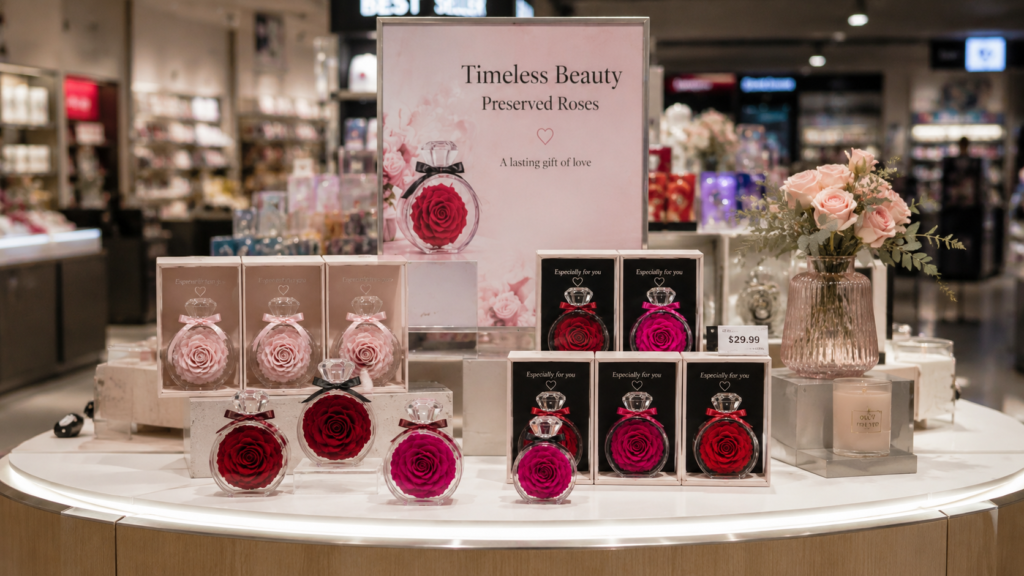
One of the most innovative examples of balancing visual freshness with operational safety is Francfranc’s “Bloom Bar” concept. Introduced as part of their seasonal gifting assortment planning, the Bloom Bar is a dedicated instore section where customers can customize their own floral arrangements and gift packages using high-quality artificial flowers, decorative vases, and coordinated ribbons.
From an operational standpoint, the Bloom Bar is a masterclass in risk-mitigated category expansion. Instead of stocking dozens of pre-arranged, finished gift items—which carry high SKU complexity and risk expiring visually after a holiday—the Bloom Bar relies on a modular component system.
The Operational Mechanics of the Bloom Bar
- Component-Level Inventory: By stocking individual stems, vases, and wrapping materials rather than pre-assembled packages, the retailer keeps raw-material flexibility high. If a particular vase design sells slowly, it can easily be paired with different artificial flower styles to change its aesthetic appeal.
- High Visual Variety, Low SKU Count: A small matrix of 15 flower types and 5 vase designs can yield dozens of unique consumer combinations. This creates an impression of infinite variety while keeping the internal SKU count remarkably low.
- High Margin and Value-Add: The customization process shifts the consumer’s focus from the commodity cost of the individual items to the experiential value of personal creation. This allows the retailer to maintain strong gross margins without investing in expensive, single-use holiday packaging.
- Controlled Floor Footprint: The Bloom Bar operates as a self-contained, modular fixture that can be expanded or contracted depending on the seasonal calendar (e.g., Mother’s Day, Valentine’s Day, or Christmas), ensuring that seasonal space is never wasted during slower periods.
What are the strategic takeaways for global brands managing multi-color, small-batch seasonal lines?
For design-led brands looking to replicate this balance of creativity and efficiency, several actionable strategies emerge from the intersection of Francfranc’s design philosophy and AIN’s operational discipline:
1. Establish a “Core-and-Satellite” Assortment Architecture
Maintain a stable foundation of “Core” SKUs (representing 60–70% of inventory) that feature consistent, year-round demand and high manufacturing margins. Surround this core with “Satellite” SKUs—highly designed, seasonal, or limited-run products that inject immediate color and trendiness without destabilizing the broader supply chain.
2. Implement Strict “One-In, One-Out” SKU Governance
To prevent slow creeping SKU growth, require that any new seasonal product introduction be accompanied by the scheduled retirement or consolidation of an older SKU. This forces creative and buying teams to continuously evaluate and prune the lower-performing tail of the product catalog.
3. Leverage Component-Level Postponement
Delay product customization as late in the supply chain as possible. Use neutral base products and introduce seasonal colors, packaging variations, or decorative components in small, localized batches. This minimizes the risk of carrying excess finished goods that cannot be sold once the season concludes.
4. Foster Collaborative Manufacturing Partnerships
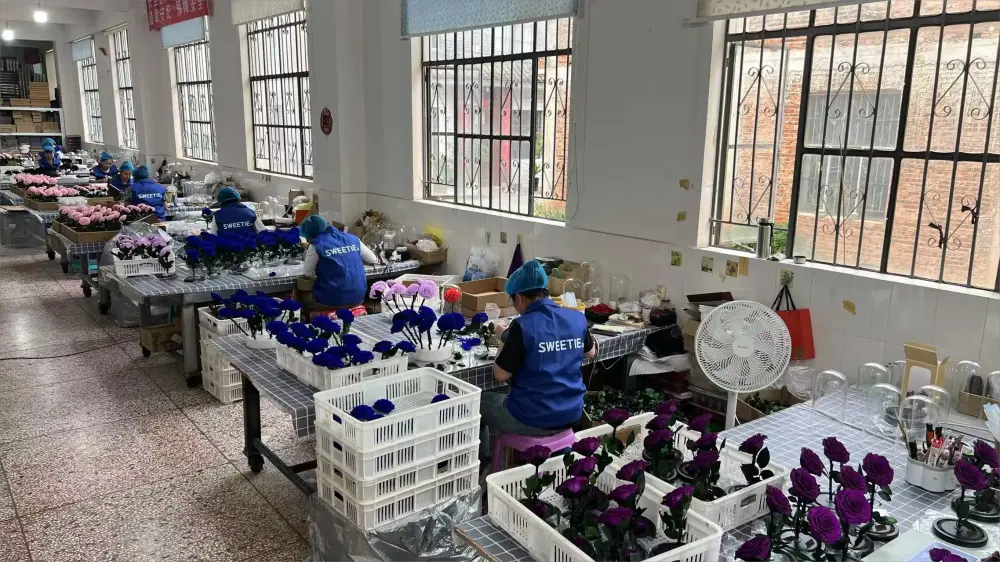
Partner with agile OEM/ODM suppliers who can handle multi-color production runs and low minimum order quantities (MOQs) for trial collections. This allows you to test market demand for a new design before committing to large-scale production.
Planning a seasonal floral or gift collection with multiple colors, packaging formats, or test quantities? Contact our team to discuss OEM/ODM development and assortment planning.
Developing merchandise for seasonal retail? Contact us at inquiry@sweetie-group.com to discuss the project.
Frequently Asked Questions
How does high SKU complexity directly impact physical store operations?
High SKU complexity leads to cluttered shelves, disorganized backrooms, and increased operational friction. Store staff spend disproportionate hours sorting, restocking, and tracking low-volume inventory, which reduces their time spent assisting customers. It also complicates visual merchandising, making it harder to create clean, high-impact seasonal displays that attract buyers.
Can a lifestyle brand reduce its SKU count without losing its premium, trend-forward identity?
Yes. As demonstrated by the Francfranc Kawagoe store experiment, reducing SKU count often improves a brand’s premium perception. By curating fewer, higher-quality items and giving them more display space, the shopping experience feels more deliberate and exclusive. Freshness is maintained through strategic color rotation and visual storytelling rather than piling on excess product variety.
What role does packaging play in controlling seasonal SKU risk?
Packaging is a highly cost-effective tool for seasonal customization. Instead of manufacturing entirely new physical products for a holiday, brands can use standardized, year-round core items and package them in seasonal boxes, sleeves, or gift wraps. This creates immediate holiday freshness while keeping the underlying product SKU stable and reusable for the next season if it does not sell out.