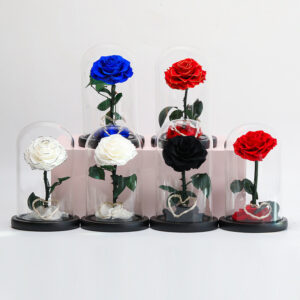
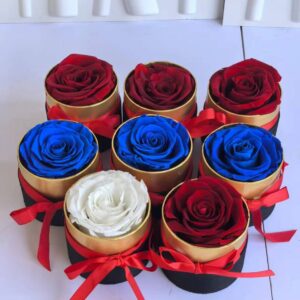
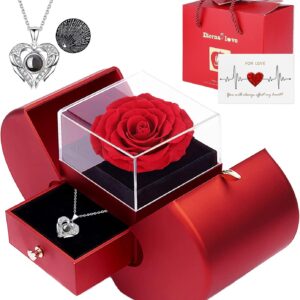
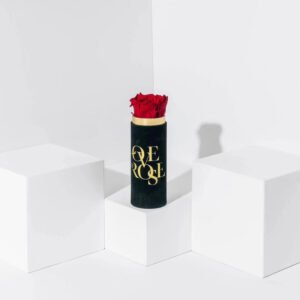
For commercial decoration, preserved flowers utilize a scientific glycerin-replacement process to retain cellular moisture, flexibility, and a 1–3 year lifespan, whereas dried flowers undergo physical dehydration, rendering them brittle and highly susceptible to mold. Choosing the optimal material requires evaluating cross-border transit humidity risks, identifying target market segments—such as luxury gift-with-purchase (GWP) programs versus rustic bohemian setups—and verifying your supplier’s packaging engineering.
Material Engineering: Glycerin Preservation vs. Physical Dehydration
To build a highly resilient floral procurement strategy, B2B buyers must understand the underlying material sciences that separate preserved flora from dried alternatives. The differences are not merely aesthetic; they stem from radically different chemical and physical structural states.
The Glycerin Preservation Process
Preservation is an advanced biochemical engineering process. Fresh flowers are harvested at their peak physiological state. They then undergo a multi-stage process where natural sap is carefully extracted and replaced with a proprietary, non-toxic chemical formulation. This solution primarily consists of high-purity glycerin, water, and structural polymers, often enriched with UV-stable cosmetic-grade colorants.
At a molecular level, glycerin molecules penetrate the plant’s cell walls, replacing the highly volatile water molecules. Because glycerin does not evaporate under standard atmospheric conditions, the cellular structural integrity of the plant is permanently maintained. This prevents the cellulose microfibrils from collapsing, leaving the flower heads soft, pliable, and physically resilient.
The Physical Dehydration Process
In contrast, dried flowers undergo simple physical dehydration. This is achieved through air-drying, heat chambers, or silica-gel desiccant immersion. This process forces the evaporation of cellular water without replacing it. As a result, the intracellular pressure drops to zero. The cell walls shrink, warp, and collapse under atmospheric pressure.
Without cellular moisture or a structural substitute, the remaining organic matter becomes highly rigid, brittle, and highly prone to mechanical shearing. The natural colors also oxidize rapidly during this moisture loss, resulting in the characteristic muted, earth-toned palette of dried florals.
What Are the Key Technical Differences in a Preserved Flowers vs Dried Flowers Wholesale Strategy?
When evaluating a preserved flowers vs dried flowers wholesale approach for commercial environments, B2B buyers must analyze performance metrics, durability, and commercial suitability. The technical pathway of each material determines its ultimate performance in retail, hospitality, and corporate branding projects.
[Fresh Flower Harvest]
       |
       +---> Glycerin Replacement (Preserved) ----> Cellular Integrity Maintained (Soft, 1-3 Years Lifespan)
       |
       +---> Physical Dehydration (Dried) --------> Cell Wall Collapse (Brittle, Fragile Structure)
| Technical Metric | Preserved Flowers | Dried Flowers |
|---|---|---|
| Cellular State | Intact, supported by liquid glycerin-polymer matrix | Collapsed, completely dehydrated cellulose structures |
| Physical Texture | Soft, flexible, and virtually indistinguishable from fresh flowers | Rigid, brittle, and highly sensitive to touch |
| Average Lifespan | 1 to 3 years under standard indoor conditions | Under 1 year due to rapid dust buildup and fragility |
| Color Profile | Vibrant, customizable, highly uniform dyed tones | Muted, oxidized, organic earth and pastel tones |
| Logistics Vulnerabilities | Sweating and color bleeding in high-humidity zones | Petal fragmentation, breakage, and rapid mold growth |
| Target Market Suitability | High-end corporate gifting (GWP), luxury hotels, premium retail | Bohemian home decor, rustic staging, dried arrangements |
| Maintenance Requirements | Zero watering; occasional light dusting only | High care required during handling; prone to shedding |
What Are the Primary Wholesale Floral Import Risks in Cross-Border Logistics?
Navigating global supply chains requires a thorough understanding of wholesale floral import risks. Because natural organic materials are highly sensitive to environmental shifts, ocean and air transport pose significant physical threats that can compromise cargo quality before it reaches its destination.
The Sweating and Bleeding Threat (Preserved Flowers)
For preserved flowers, the primary risk during international transit is exposure to fluctuating humidity levels within shipping containers. When relative humidity (RH) exceeds 70%, the highly hygroscopic glycerin within the petals begins to absorb moisture from the surrounding air.
This absorption causes the internal liquid volume to expand, forcing the colored glycerin solution to seep out onto the surface of the petals—a phenomenon known as “sweating.” If left unchecked, this liquid can drip, resulting in “bleeding” that stains adjacent petals, custom gift boxes, and inner retail packaging.
The Mold and Fragmentation Threat (Dried Flowers)
Dried flowers face different logistics hazards. Because they lack any preservative barrier, they are highly sensitive to mold spores when exposed to humid shipping conditions. Even a minor rise in container humidity can trigger rapid, widespread mold growth, which often results in customs rejections or total cargo loss.
Furthermore, the physical vibrations of ocean container transport and air freight handling cause significant friction. Brittle dried petals frequently break apart, leading to high mechanical fragmentation rates. This often requires B2B importers to factor in substantial product loss margins, reducing overall profitability.
Commercial Alignment: How Do You Match Floral Materials to Retail and Hospitality Segments?
To maximize return on investment, procurement managers must carefully match material characteristics with specific target audiences and commercial applications.
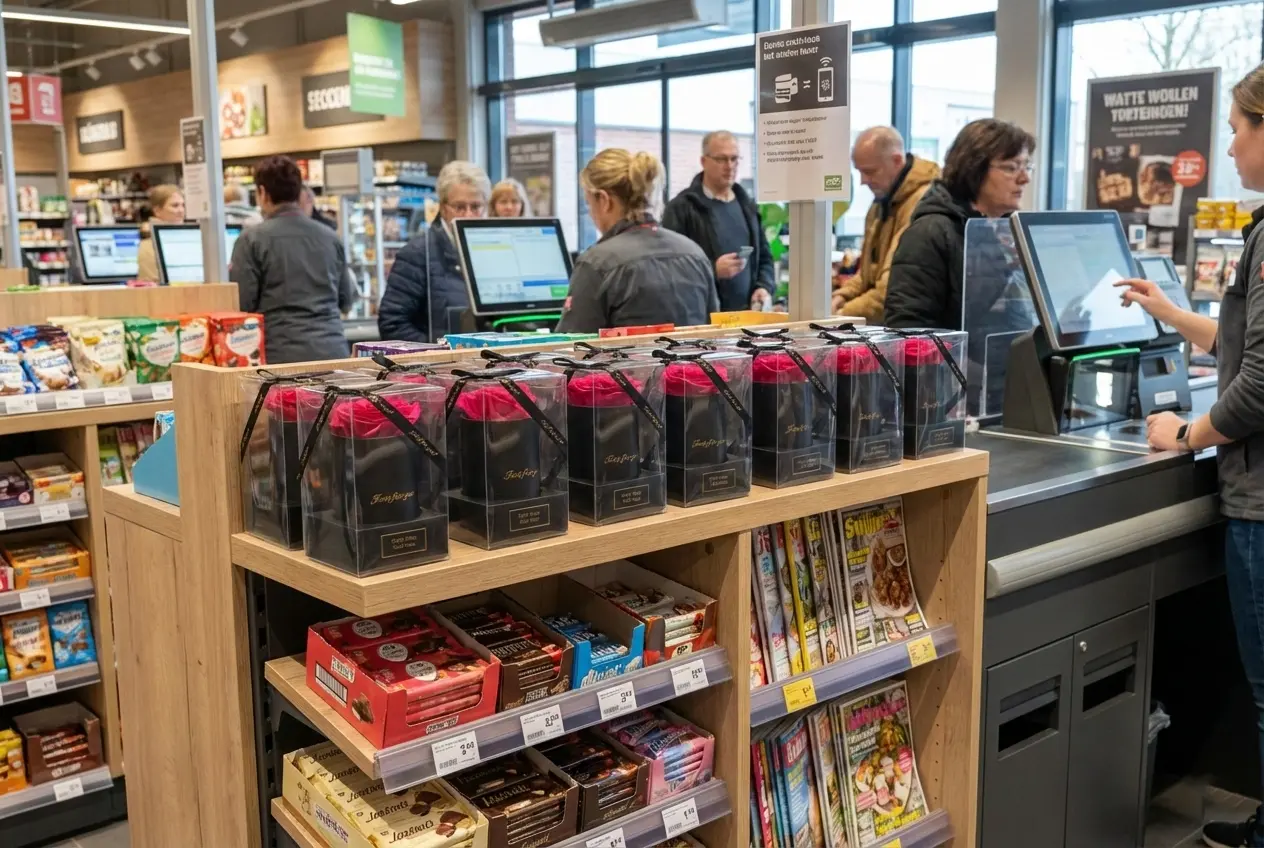
- High-End Brand GWP & Luxury Retail: For luxury Gift-with-Purchase (GWP) programs, corporate gifting, and upscale retail displays, bulk preserved flowers commercial decoration is the clear choice. Premium consumers demand products that look and feel fresh. The tactile softness and vibrant coloration of preserved roses, hydrangeas, and foliage convey luxury and quality, reflecting positively on the hosting brand.
- Bohemian Staging & Rustic Home Decor: Conversely, dried flowers fit well in bohemian home decor, rustic event staging, and vintage visual merchandising. In these contexts, the dry, muted, and slightly imperfect look of dehydrated stems is highly valued. However, because of their fragile nature, dried flowers are best used in low-touch areas where they will not be disturbed by consumers.
By understanding these market preferences, Sweetie-Group helps brand buyers specify the exact floral type, colorways, and packing specifications that align with their project requirements, supporting customized production and flexible Minimum Order Quantities (MOQs) to reduce supply chain risk.
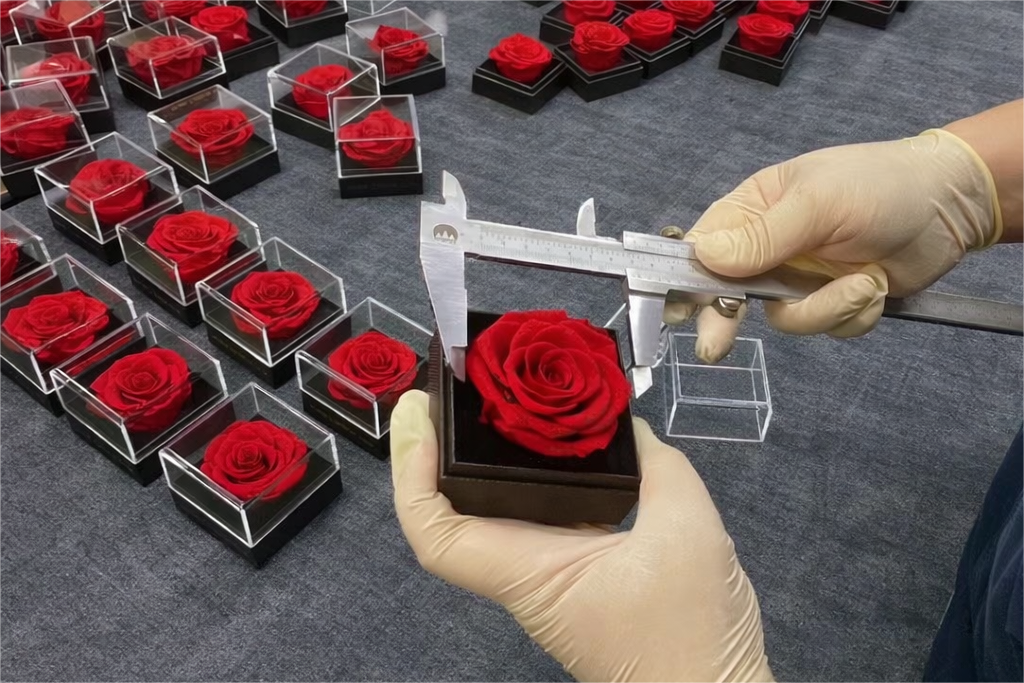
How Does Sweetie Implement Preserved Flower Supply Chain Quality Control?
For wholesale buyers, preserved flower quality is not just about how one sample looks. The real challenge is keeping hundreds or thousands of handmade products consistent and protected through international shipping.
At Sweetie-Gifts, quality control covers four key stages:
Raw Material Selection → Handmade Production → Product-Specific Packaging → Final Inspection
1. Raw Material Control
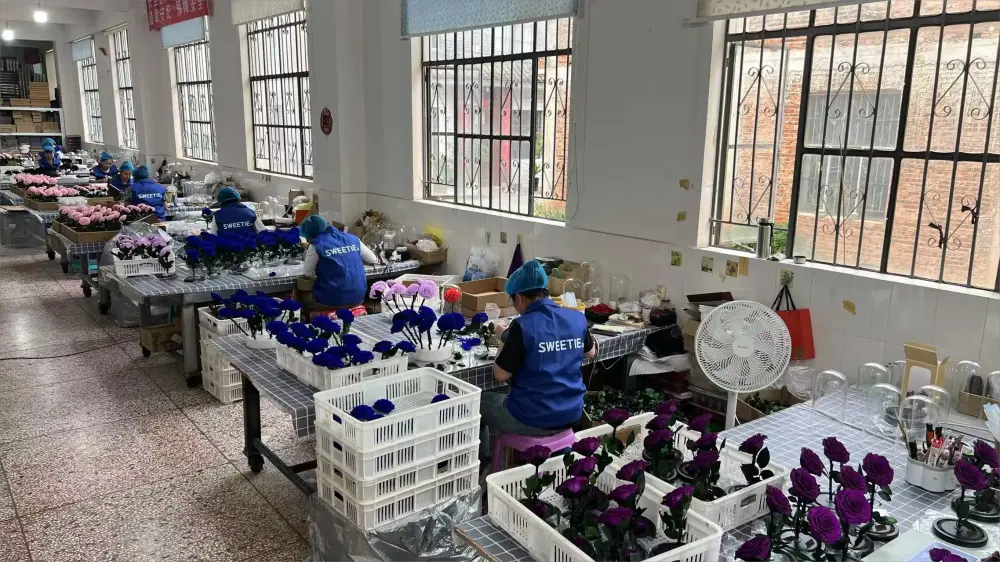
Our preserved flower products are mainly produced in Kunming, Yunnan. Quality control starts with the floral materials themselves.
We check flower shape, color, petal condition, and overall consistency before production. For bulk orders, stable quality across the whole batch is just as important as the appearance of one flower.
2. Handmade Production Consistency
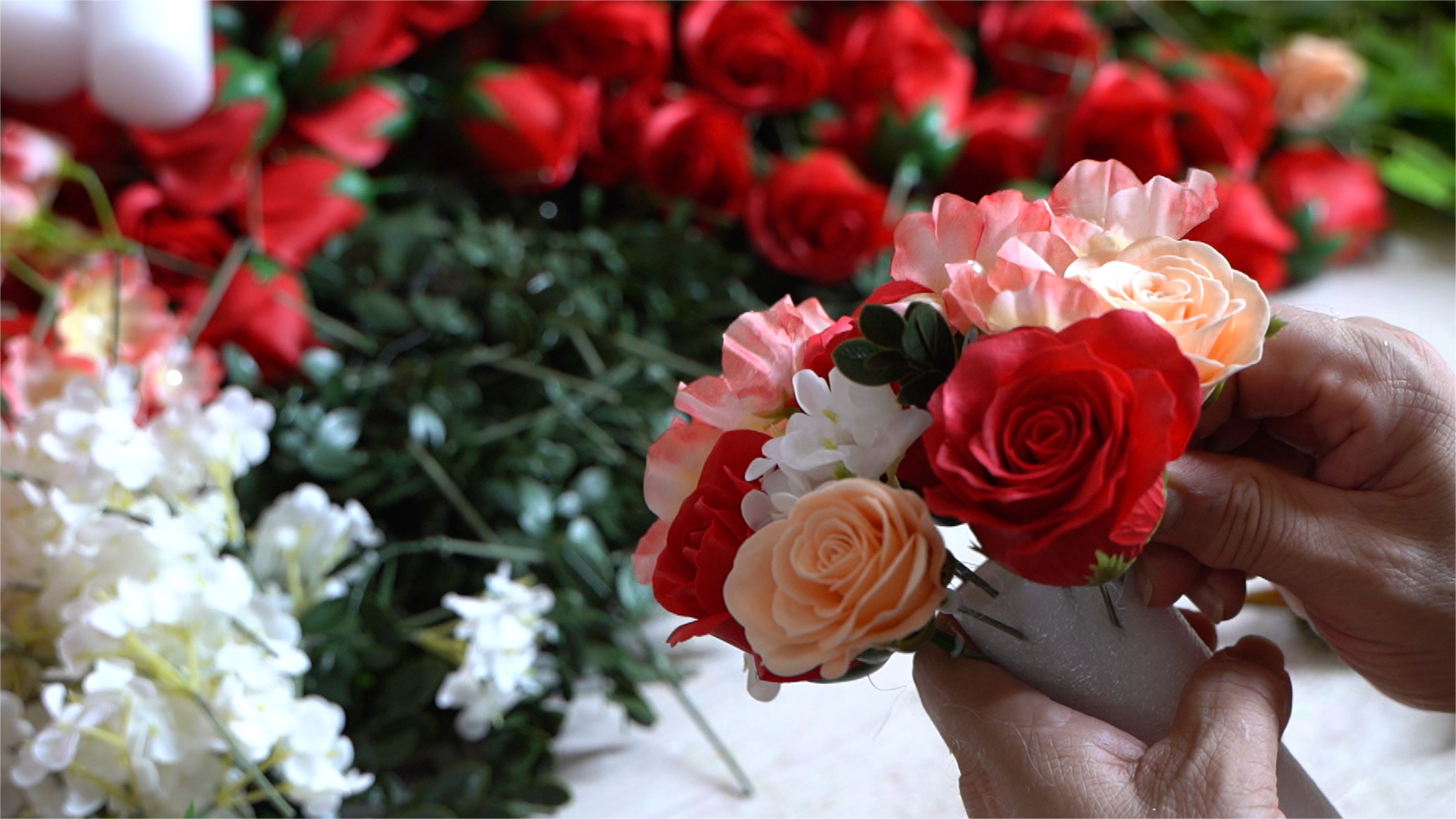
Many preserved flower gifts are assembled by hand, so experienced workers and clear production standards matter.
Our team checks flower placement, spacing, structure, and overall presentation against the approved sample. This is especially important for flower boxes, bouquets, jewelry boxes, table arrangements, and rose glass domes.
3. Packaging Based on Product Structure
Different products need different protection.
Lidded flower boxes are placed into protective individual boxes with suitable filling. Open flower boxes need extra fixing so the flower heads do not touch the inner walls. Glass domes require stronger fixation and cushioning because of the fragile glass structure.
For e-commerce orders, we can also develop reinforced packaging to improve shipping stability while controlling package size.
4. Final Inspection Before Shipment
Before shipment, finished products are checked for appearance, assembly, structure, packaging, and overall condition.
For handmade floral gifts, reliable quality does not come from one special technique. It comes from controlling the details at every stage—from material selection to final packing.
B2B Procurement: Custom Packaging, Flexible MOQs, and Logistics Optimization
For global B2B buyers, successful sourcing goes beyond product quality; it requires efficient logistics, custom branding, and responsive manufacturing capabilities.
Custom Preserved Flower Gift Packaging
We understand that packaging is a key extension of your brand. Sweetie offers comprehensive custom preserved flower gift packaging services, allowing commercial buyers to design bespoke rigid boxes, acrylic displays, and branded sleeves. We use practical protective packaging as our standard approach, and eco-friendly materials such as recyclable paper-based options can be provided upon request. Custom inserts and structural protection can also be developed based on the product and shipping requirements.
Flexible MOQs and Tailored Shipping Solutions
To help our partners manage inventory risks, Sweetie-Gifts offers flexible Minimum Order Quantities (MOQs). This allows corporate buyers, event planners, and retail brands to test new product lines without committing to heavy initial inventory. Additionally, our logistics team coordinates sea freight, air cargo, and door-to-door express delivery (DDP/DDU), handling all customs clearance documentation to minimize import risks for our clients.
By partnering with a reliable, quality-focused supplier like Sweetie-Group, B2B buyers can confidently scale their floral programs, backed by a resilient, structured supply chain.
To optimize your next seasonal launch or corporate gifting program with robust B2B support, Download Preserved Flowers Wholesale Catalog & Sourcing Case Studies, contact at inquiry@sweetie-group.com for direct consultation.