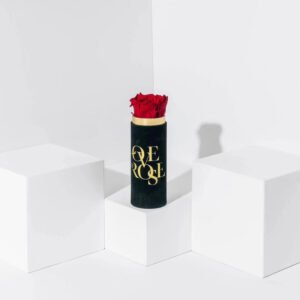
For many discretionary products, the first sale does not automatically create a reason for the second.
A shopper finds something they like, buys it, and moves on.
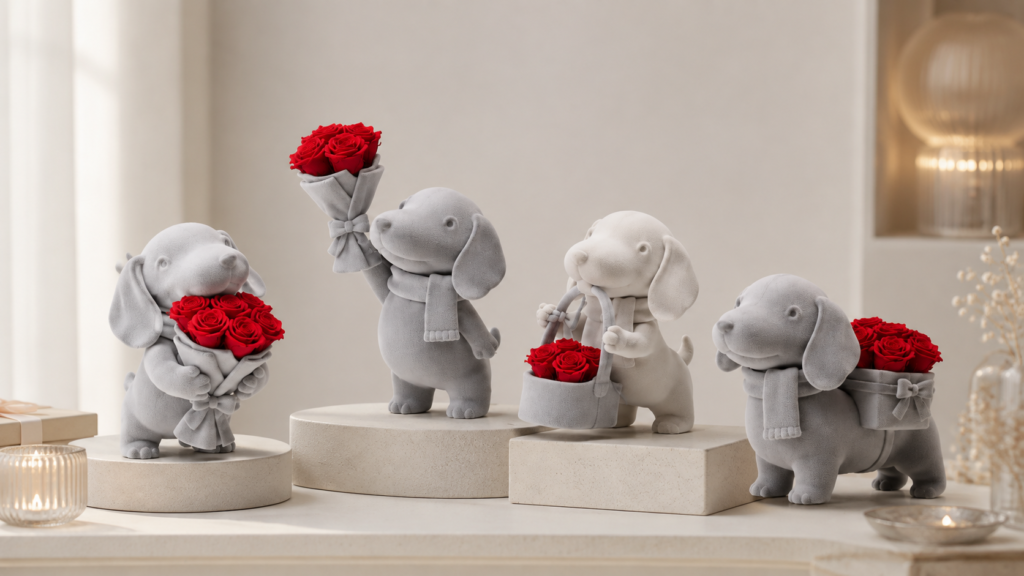
This is one reason collectible product strategies deserve attention from retailers and brands. A well-designed series can extend the life of a product beyond a single transaction. The next purchase might be another design, another character, a seasonal edition, a new color, or the missing piece in a collection.
Blind boxes are one way to create that next-purchase opportunity.
Open collectible series can do it too.
The mechanics are different, and that difference matters for product development, packaging, inventory, retail display, and customer experience.
The useful question is not simply whether blind boxes are popular. It is whether the product line gives customers a credible reason to want another item.
Why Product Series Can Give Customers a Reason to Buy Again
A collection creates connections between products.
Instead of seeing six products as six unrelated SKUs, customers may begin to see them as parts of the same family.
That changes what can happen after the first purchase.
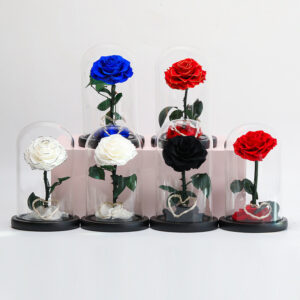
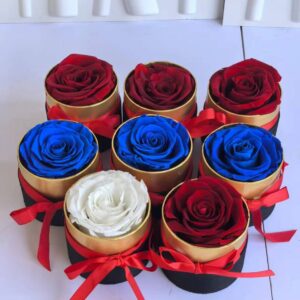
Someone who buys one character may notice another. Someone who chooses one flower may later want a different design. A customer who already owns the core collection may become interested when a seasonal or limited edition appears.
But simply adding more colors does not automatically make a product collectible.
A series usually needs several things to work together:
- A recognizable theme or design language
- Meaningful differences between products
- Enough consistency for the items to feel related
- A price point that makes multiple purchases realistic for the target customer
- Room for future releases without making the range feel repetitive
The important part is the existence of a believable “next product.”
That next product is where repeat-purchase potential begins.
How Blind Boxes Encourage Repeat Purchases
A blind box hides the specific design until the customer opens it.
For suitable products, the uncertainty itself adds value to the purchase.
Surprise keeps the next purchase different
A second blind box is not exactly the same experience as the first because the outcome is still unknown.
That can work particularly well when the collection has several designs with reasonably balanced appeal.
If customers are happy with most possible outcomes, mystery can make another purchase feel worthwhile.
If one design is highly desirable and the others are viewed mainly as disappointments, the same mechanism can work against the product.
Collection completion adds another motivation
Once customers own part of a series, some may want more of it.
They may want a favorite design they have not received yet, a complete set, or a rare version.
This is why the strength of the collection matters more than the blind packaging itself.
A weak collection does not become strong simply because one design is labeled “secret.”
Blind boxes require more operational planning
Mystery exists for the shopper, not for the supply chain.
The buyer still has to think about:
- Number of designs
- Production quantities by design
- Assortment ratios
- Random packing
- Series identification
- Individual packaging
- Display cartons
- Replenishment
- Duplicate-related customer frustration
This is where a fun consumer concept becomes a real retail program.
Blind boxes can support repeat purchase, but they work best when the series, price point, assortment, packaging, and retail execution all support the same idea.
How Open Collectibles Encourage Repeat Purchases
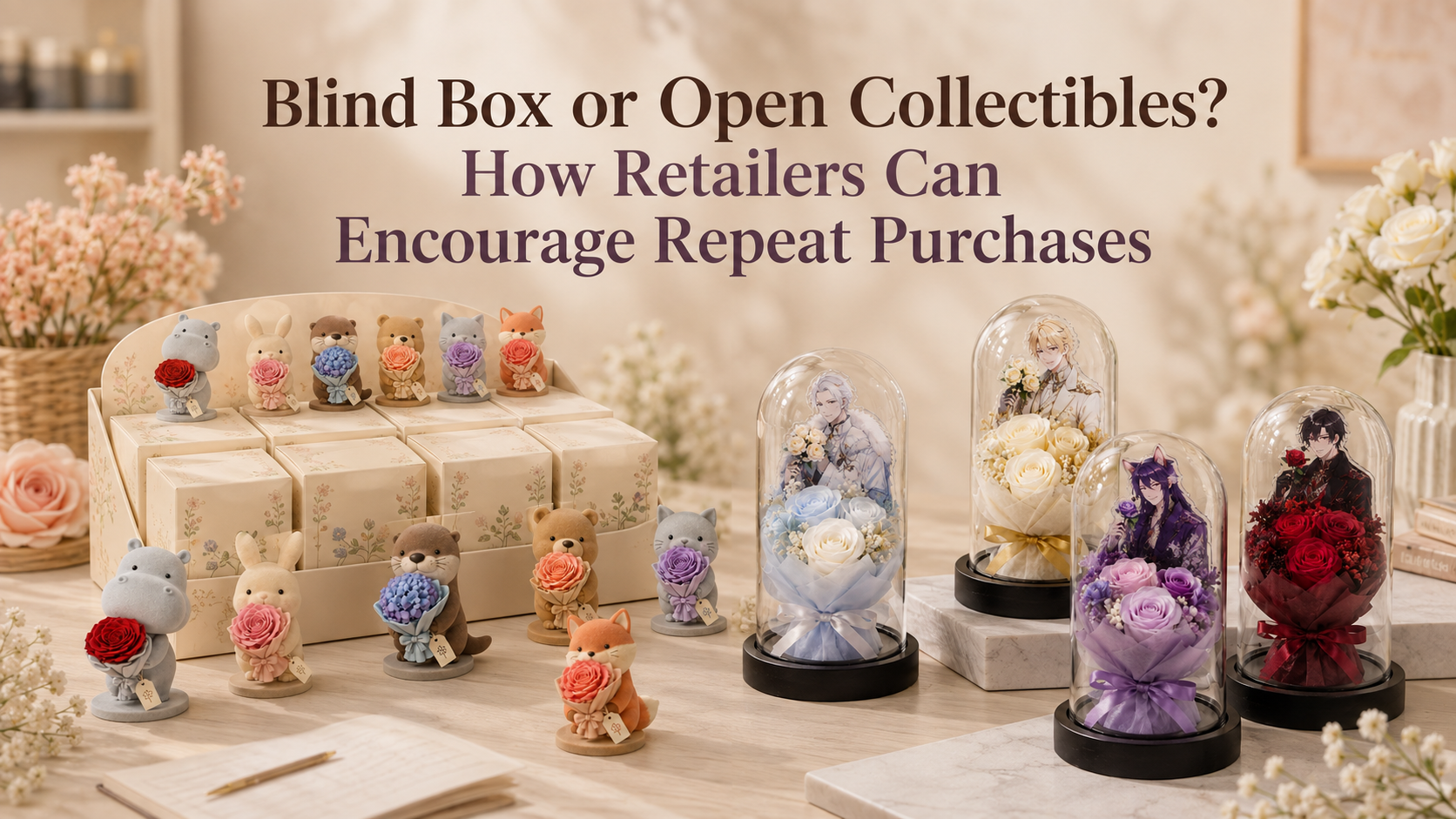
In this article, “open collectible” refers to a collectible series where customers can see and choose the specific design they are buying.
There is no mystery mechanism.
That does not remove the potential for repeat purchase.
It simply changes the reason for it.
Customers can return for another design
A shopper may choose a rose first and a tulip later.
They may buy one character for themselves and another from the same collection a few weeks later.
They may start with a favorite design, then gradually add other pieces because the products look good together.
The customer knows exactly what they are buying, but the series still creates another possible purchase.
Strong series identity becomes more important
An open assortment needs to look like a collection, not just a shelf of unrelated products.
That identity can come from:
- Shared proportions
- Consistent character style
- Coordinated colors
- Common packaging
- Naming
- Themes
- Seasonal concepts
- A recognizable visual system
A core range can then expand through new releases.
For example:
- Seasonal Edition
- New Color Drop
- Collaboration
- Store Exclusive
- Anniversary Edition
- Series Two
Mystery can create curiosity, but a strong product series can create anticipation without hiding what the customer is buying.
Open formats can make demand easier to read
This is especially useful during early testing.
If six designs are displayed openly, the retailer can see which ones customers actually choose.
One may sell faster. Another may attract attention but convert poorly. Two may often be purchased together.
Those signals can help guide:
- Future assortment
- Production ratios
- Packaging decisions
- New color development
- Additional characters
- Whether a blind format is worth testing later
For a new concept, that visibility can be valuable.
Still exploring which products or series might fit your market? Try Sweetie AI to explore product ideas and sourcing directions before preparing a formal brief.
Blind Box or Open Collectible: Which Model Fits Your Product?
Neither format is automatically better for repeat purchases.
They create different reasons to return.
| Factor | Blind Box | Open Collectible |
|---|---|---|
| Product visibility | Specific design is hidden | Specific design is visible |
| Main repeat-purchase driver | Surprise and collection completion | Preference and collection building |
| Customer control | Lower | Higher |
| Unwanted duplicate risk | Higher | Low |
| Packaging complexity | Usually higher | Usually simpler |
| Design-level sales data | Less direct | Easier to observe |
| Series potential | High | High |
| Best fit | When surprise adds genuine value | When choosing a specific design matters |
Blind boxes may be a better fit when
- Surprise is an important part of the experience
- Most designs have reasonably balanced appeal
- The price supports multiple purchases
- The audience understands the collection concept
- Completing a set has value
- The brand has room to continue the series
Open collectibles may be a better fit when
- Customers care strongly about color, character, style, or design
- Buyers want clearer feedback on individual SKU performance
- The product has a more considered or premium purchase
- The category is still being tested
- The range can stay fresh through new designs, editions, or collaborations
A useful test is simple:
If customers could see every design before buying, would the product become less interesting?
If the answer is yes, mystery may be adding meaningful value.
If the answer is no, an open collection may give customers more control without weakening the series.
Not sure whether your concept should start as a blind or open series? Send the idea, target market, and retail channel to sales@sweetie-group.com and we can discuss the practical options.
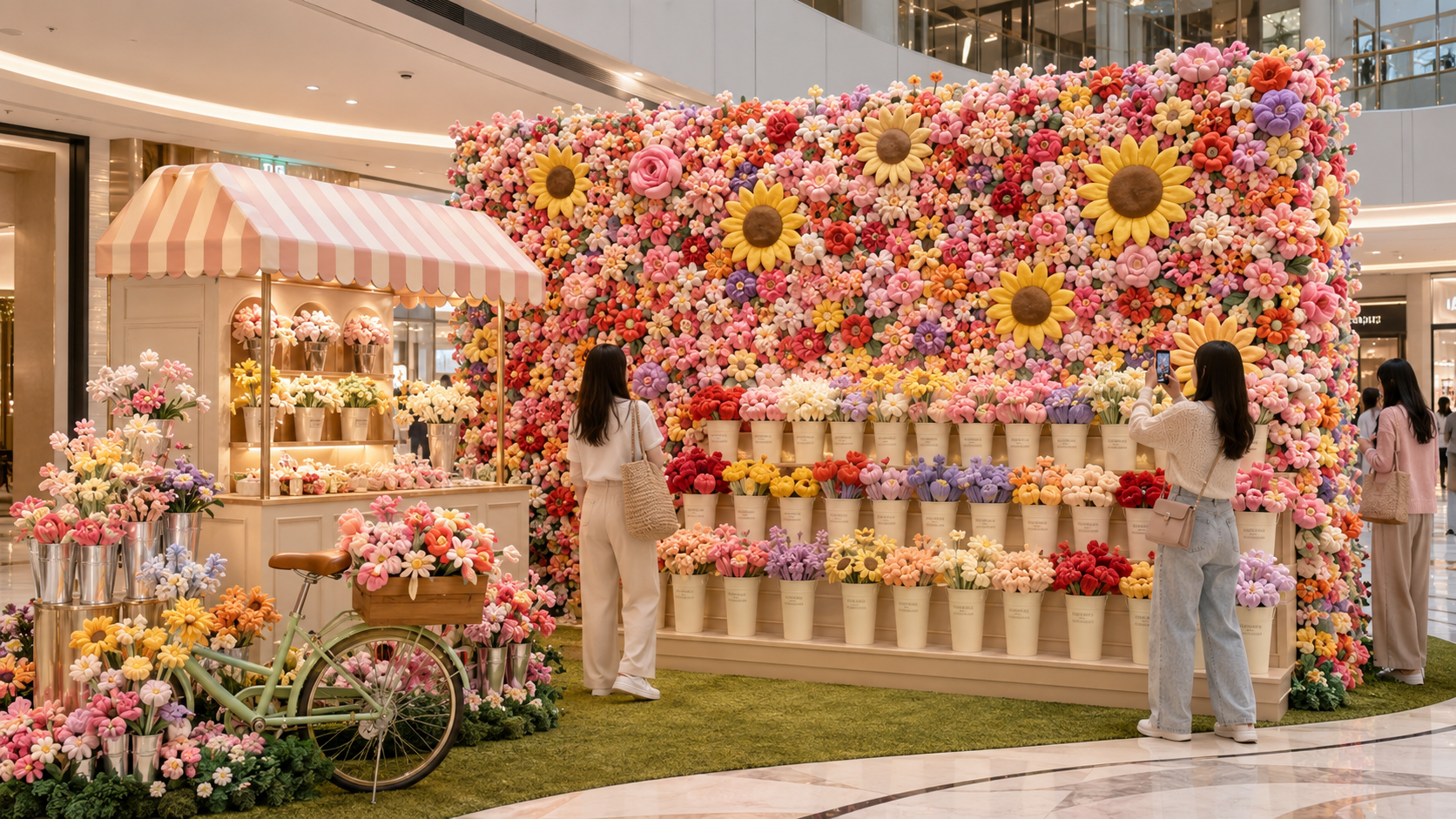
How Pick-Your-Own Can Support Repeat Purchases
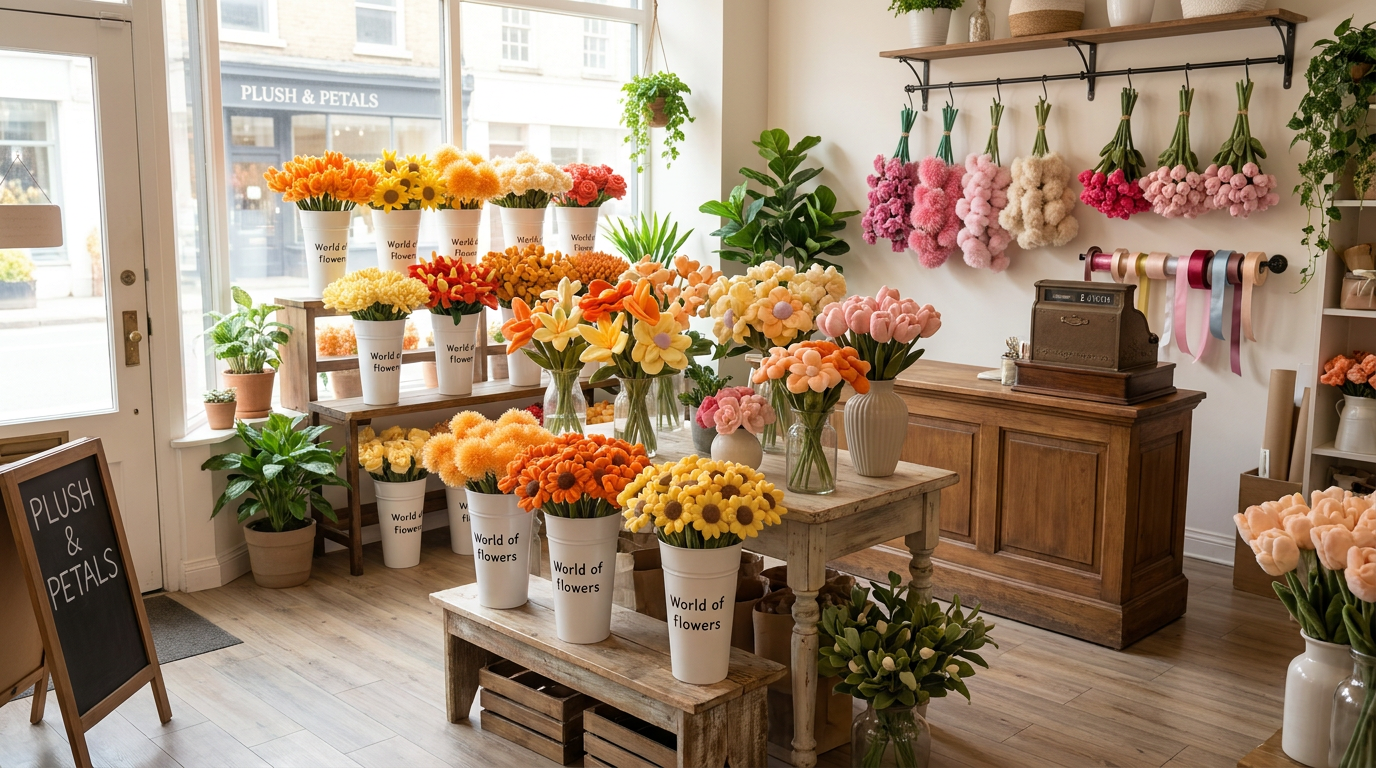
Some product ranges add another element: customers actively choose individual pieces and create their own combination.
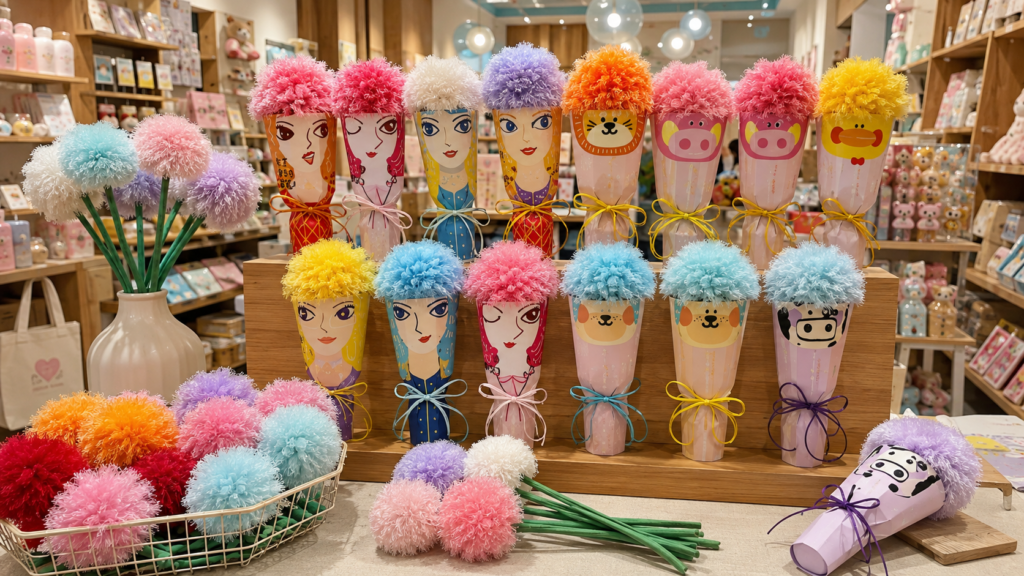
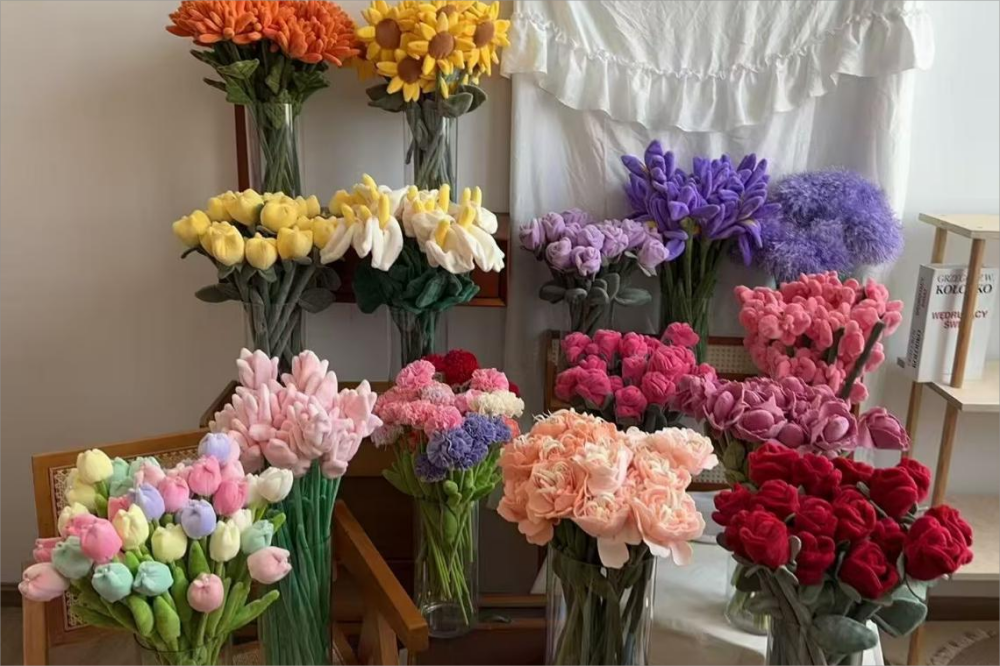
This can work well with products such as single-stem plush flowers, crochet flowers, charms, accessories, and other items that naturally support mixing and matching.
The repeat-purchase opportunity usually comes from variety.
A customer may return because:
- New colors have arrived
- New designs have been added
- A seasonal assortment is available
- They want to create another combination
- They want to add to something they previously assembled
A pick-your-own format therefore benefits from regular assortment refresh.
If the selection remains unchanged for a long time, there may be little reason to repeat the experience.
Its strength is not necessarily collection completion. It is often the enjoyment of choosing, combining, and discovering something new in the assortment.
Can Blind and Open Models Work Together?
A product line does not have to stay with one format forever.
A retailer could sell five core designs openly and introduce one special mystery edition.
Another brand might begin with an open collection to understand design preferences, then use a small blind-box series for a seasonal launch.
This flexibility can be useful because product formats can evolve as the collection becomes more established.
It also reduces the pressure to make a large strategic decision before there is enough market feedback.
How to Test a New Collectible Series
A first test does not need twenty designs, multiple rarity levels, expensive packaging, and several retail channels.
Too many variables can make the results harder to understand.
A more focused pilot might start with:
- A limited number of designs
- One clear collection theme
- A defined target price range
- One main sales format
- One primary retail channel
- Packaging suited to that channel
Then watch what actually happens.
Useful signals include:
Multi-unit purchases
Are customers buying more than one design in the same transaction?
Design-level sell-through
Are several designs performing, or is one SKU carrying most of the range?
Repeat purchases
Do customers return for another design, or are most sales still first-time purchases?
Retailer reorders
Does the buyer want to replenish the collection?
Requests for new variants
Are customers asking for other colors, characters, flowers, or themes?
Collection behavior
Do customers show interest in completing, extending, or waiting for the next release?
These signals are more useful than assuming a format will work simply because it has succeeded in another category.
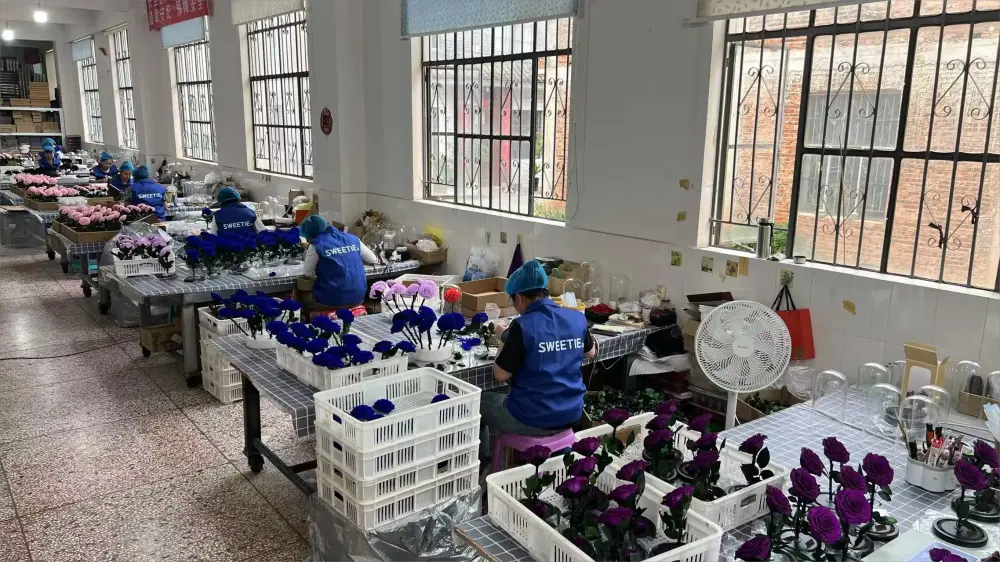
At Sweetie, we can support this stage through product development, sampling, series planning, packaging development, OEM/ODM production, and small-batch testing across preserved flowers, plush flowers, crochet flowers, floral merchandise, and mixed-material concepts.
Already have a concept, target price, or launch plan? Email sales@sweetie-group.com to discuss sampling, packaging, and OEM/ODM development.
Final Takeaway
Blind boxes and open collectible series can both create reasons for customers to return.
They simply use different mechanisms.
Blind boxes rely more heavily on surprise and collection completion.
Open collectibles rely more on design preference, collection building, and continued releases.
Pick-your-own formats can add another reason to return when variety, combination, and assortment refresh are part of the experience.
None of these formats can create repeat demand on their own.
The product still has to be desirable. The variations need to matter. The collection needs a clear identity, and future releases need to feel worth noticing.
That is the more useful way to approach collectible product development.
The goal is not to make every product a blind box.
It is to build a product line where customers have a real reason to want what comes next.
FAQ
What is the difference between a blind box and an open collectible?
A blind box hides the specific design until purchase or opening. An open collectible allows customers to see and choose the exact design while still presenting the products as part of a larger series.
Do blind boxes automatically increase repeat purchases?
No. Surprise can encourage another purchase, but the collection itself still needs to be desirable. Price, design balance, duplicates, assortment, and future releases all affect repeat-purchase potential.
Can a product be collectible without mystery packaging?
Yes. Openly sold products can still become collectible when they have a recognizable series identity, meaningful variations, and a reason for customers to add more designs over time.
When might an open collectible be easier to test?
An open format can be useful when buyers want to understand demand for specific designs. Because customers select the exact product, retailers can more easily see which variants perform well.
How can pick-your-own encourage repeat purchases?
It can create repeat visits when customers enjoy making different combinations and when the assortment is regularly refreshed with new colors, designs, seasonal products, or accessories.
Can a brand combine blind boxes and open collectibles?
Yes. A core collection can remain openly available while selected seasonal, limited, or special editions use a mystery format.
Annie Zhang